
The Sandstone & The SOund of stones(2018)
Video work for Lougheed House, Calgary
I developed The Sandstone for a video commission presented in a group exhibition at Lougheed House in Calgary. The mansion, built in 1891 from locally quarried sandstone, is directly tied to the region’s early oil development, when large amounts of sandstone were extracted to support expanding settlement and industry. The exhibition invited artists to propose alternative interpretations of this material beyond its historical framing as a resource or commodity.
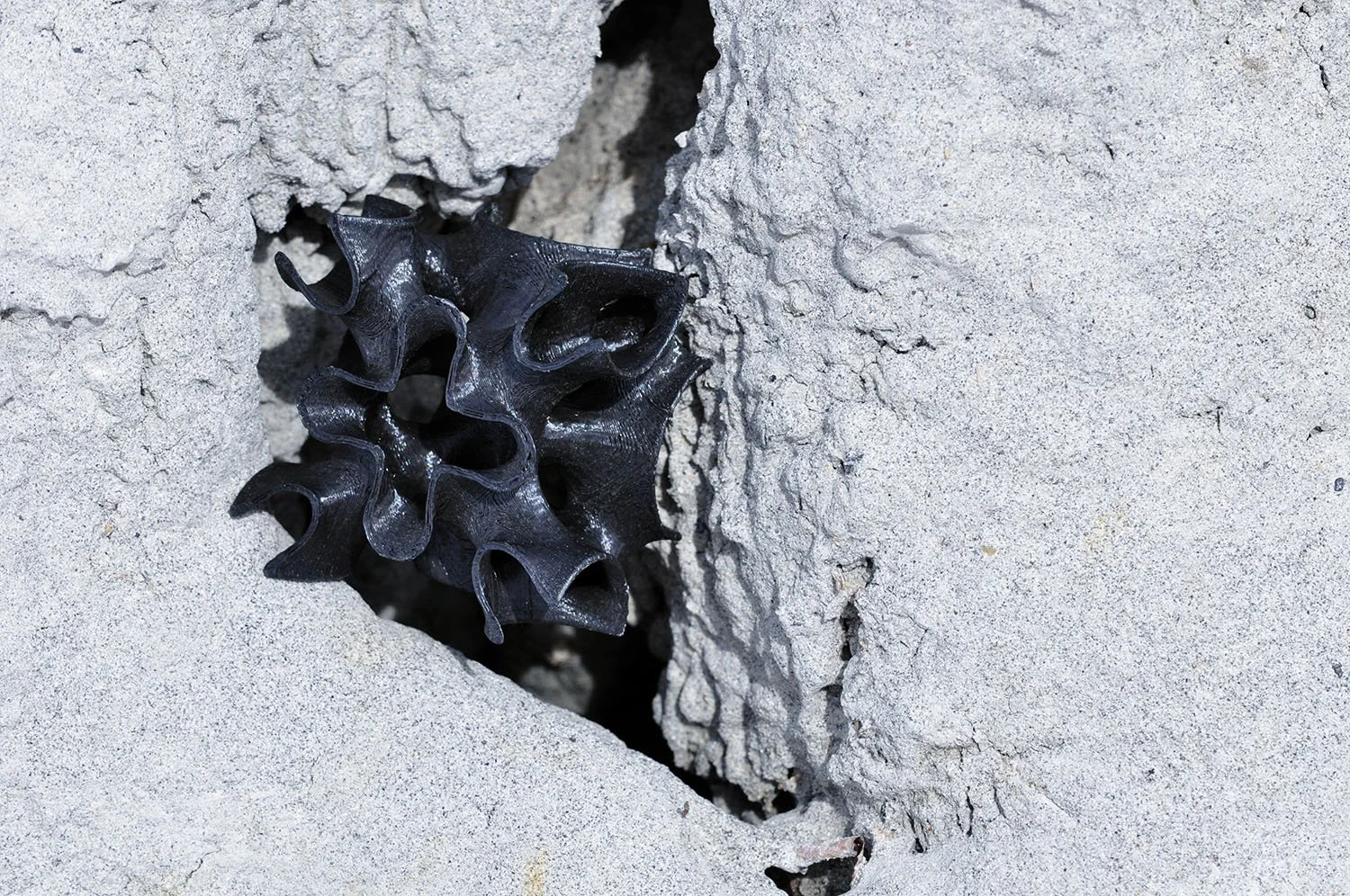
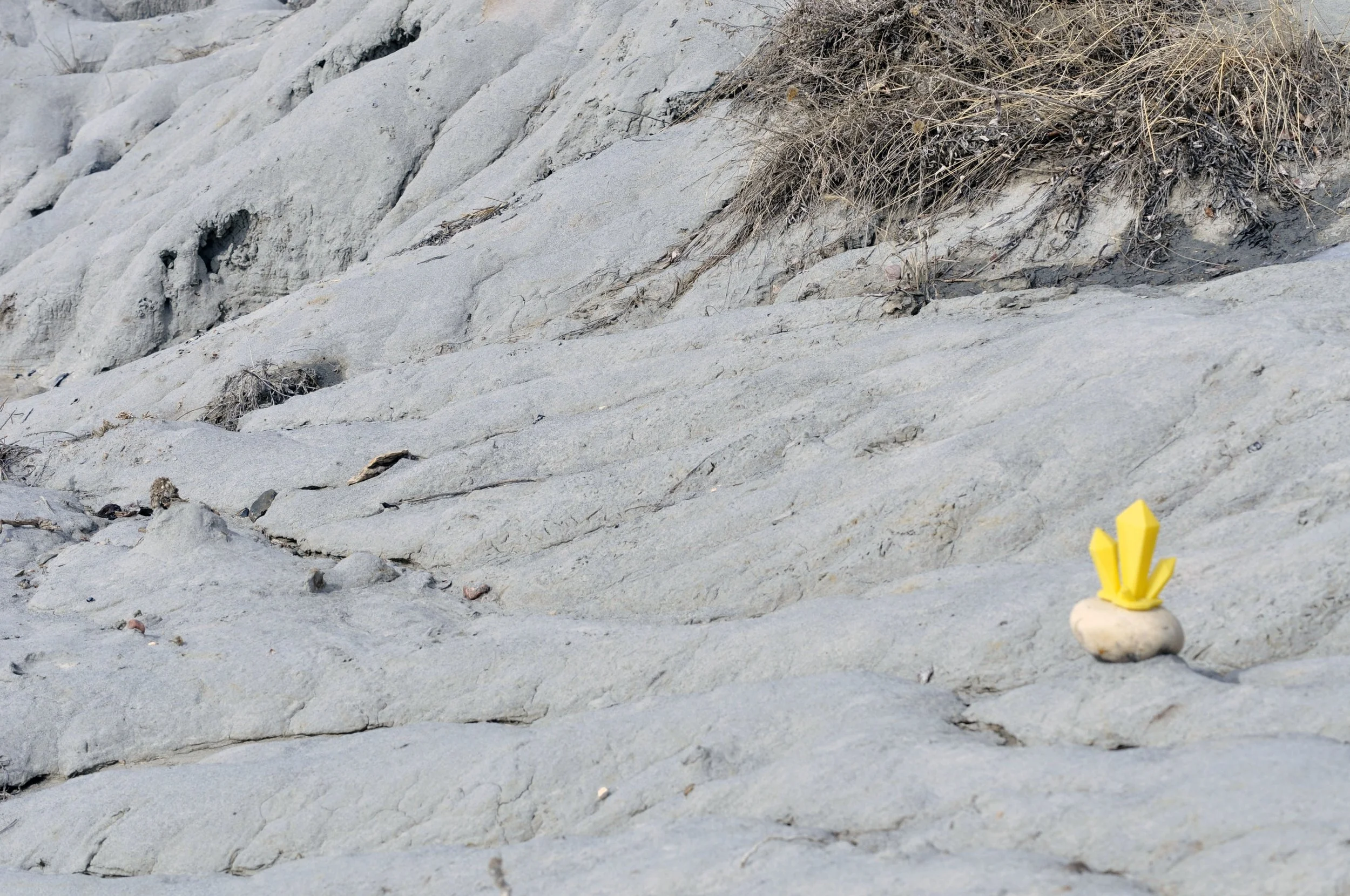
My interest in sandstone emerged from time spent at a nearby sandstone outcropping with deep, inaccessible cavities and visible geological layering. The formation prompted questions about extraction, transformation, and the material histories that underlie contemporary energy infrastructures. I approached the video as an abstract study of discovery, shifting the focus away from oil or coal deposits embedded in sandstone and toward speculative, non-resource-based objects imagined within the rock strata. These geometric forms serve as stand-ins for human desires related to exploration, technological development, and the search for value in the subsurface, while also suggesting limits to these narratives.
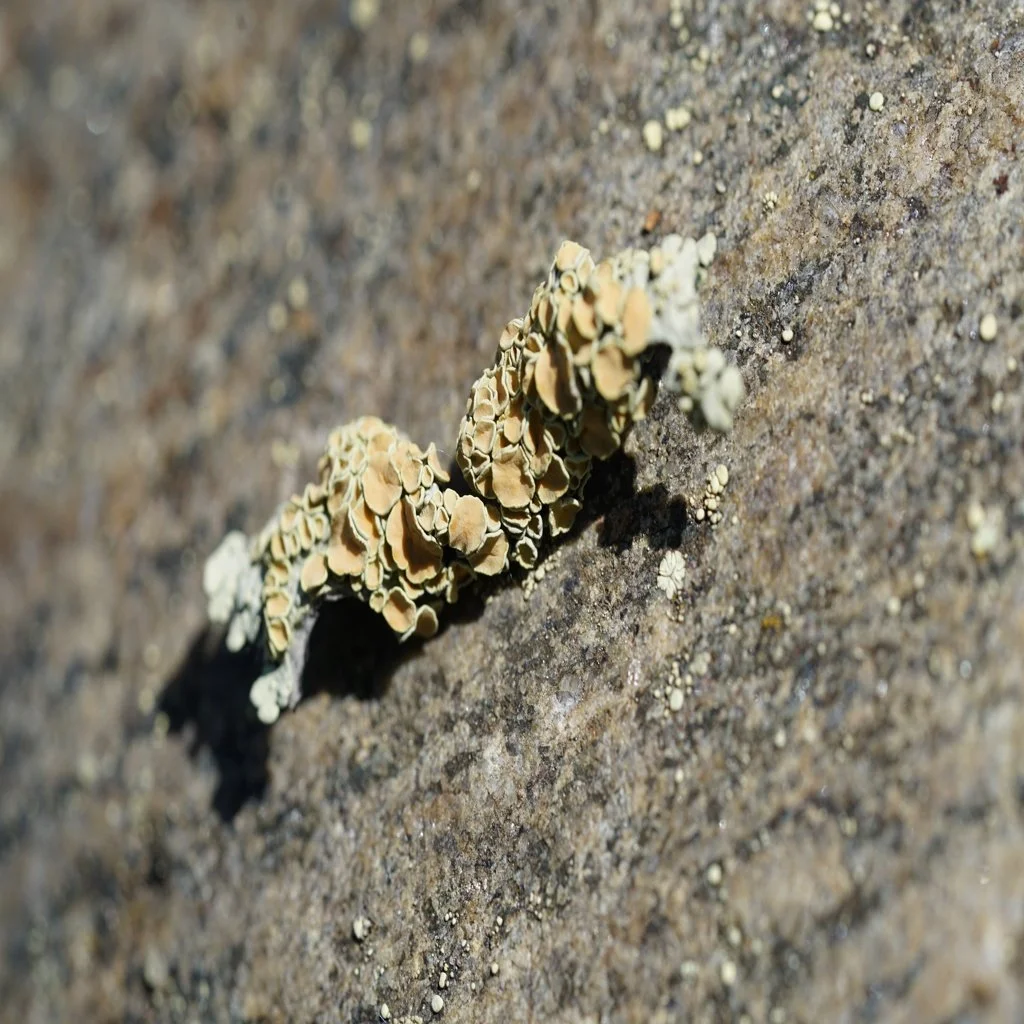
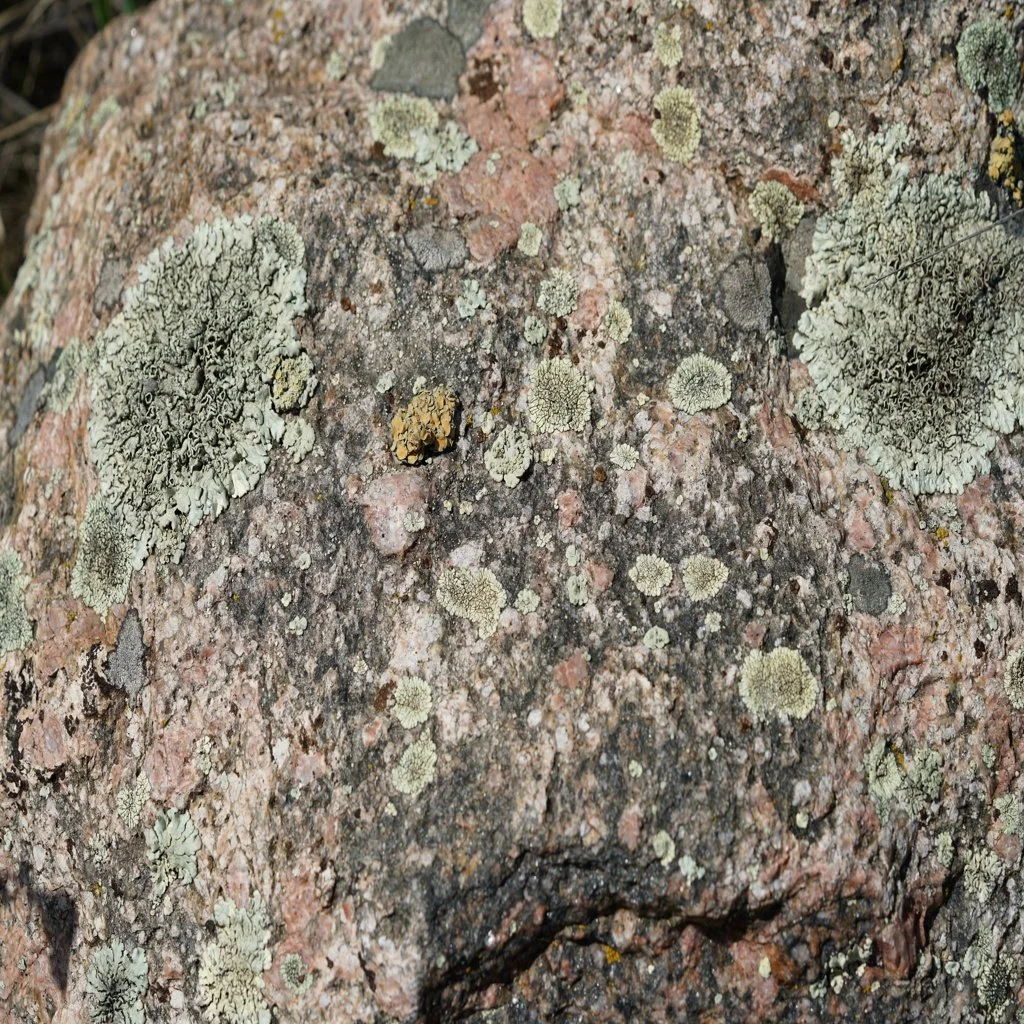
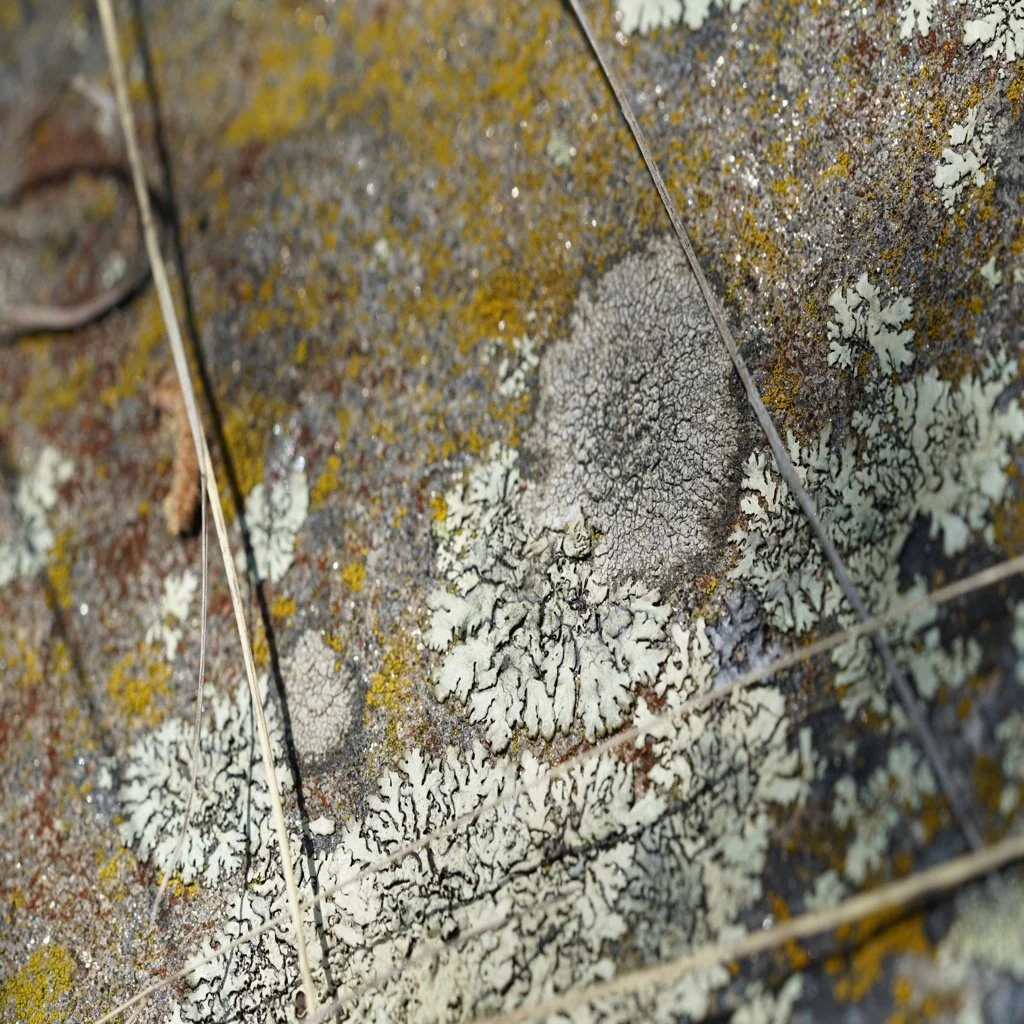
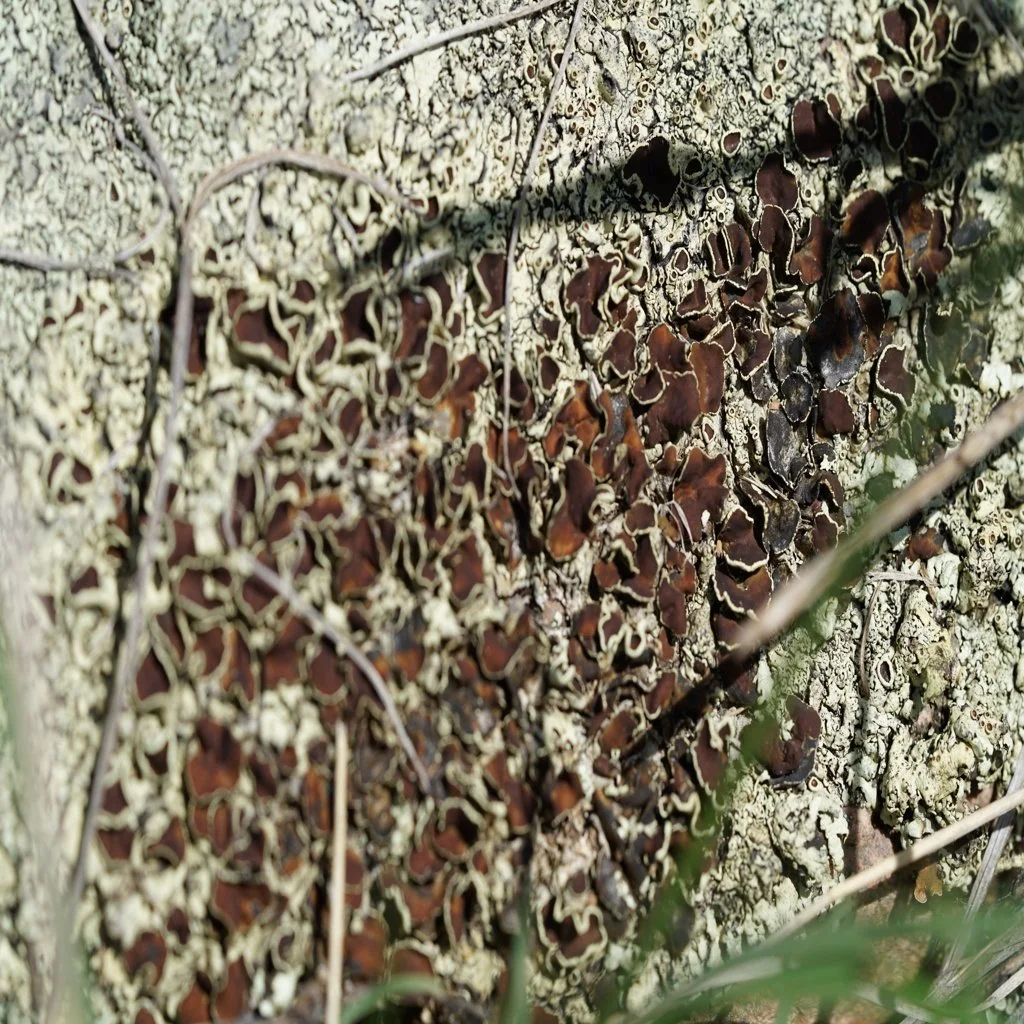
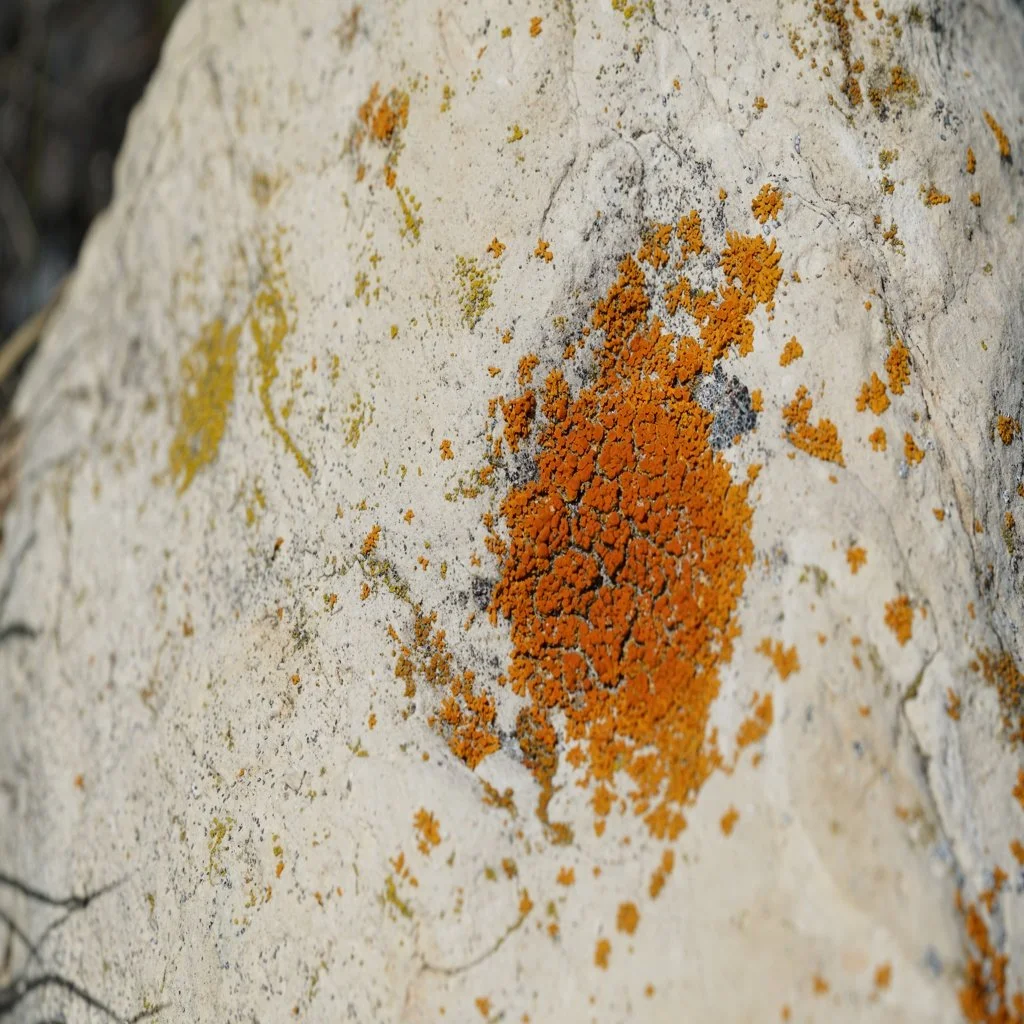
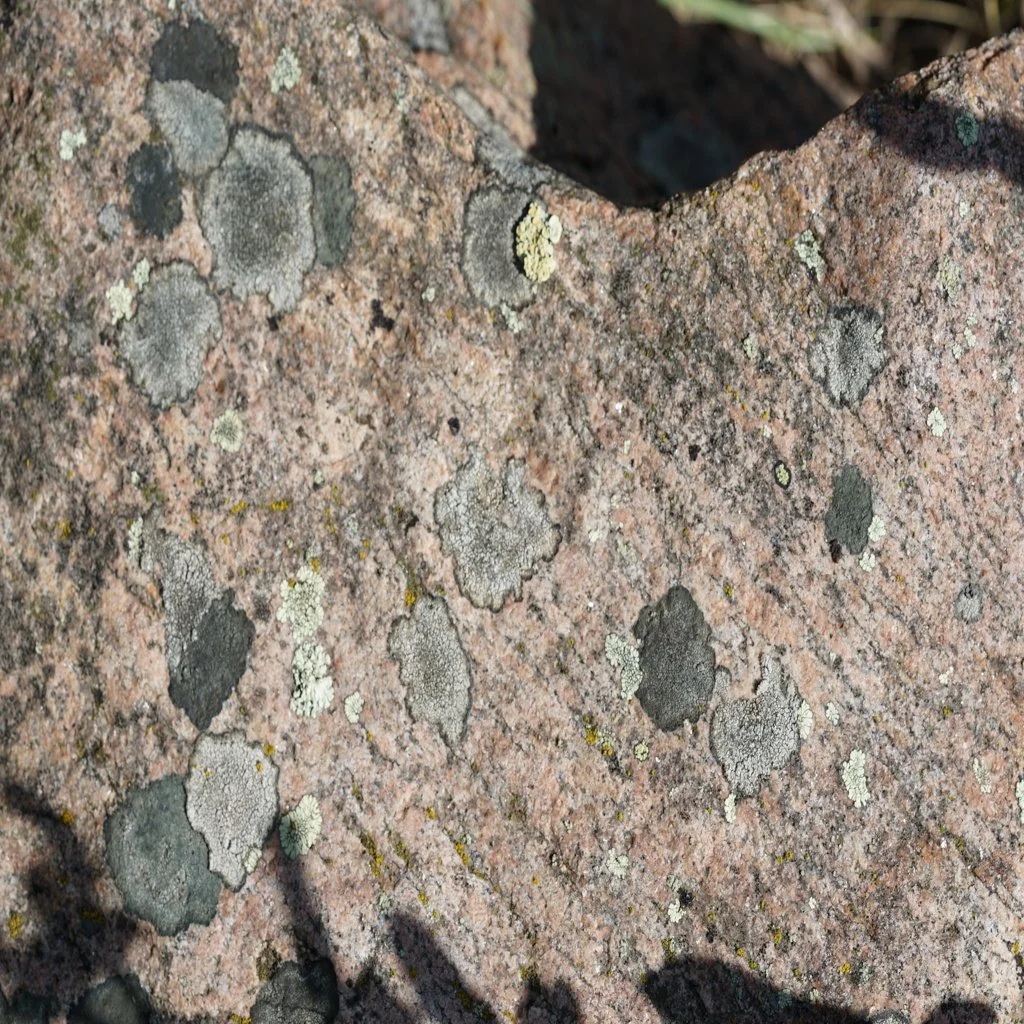
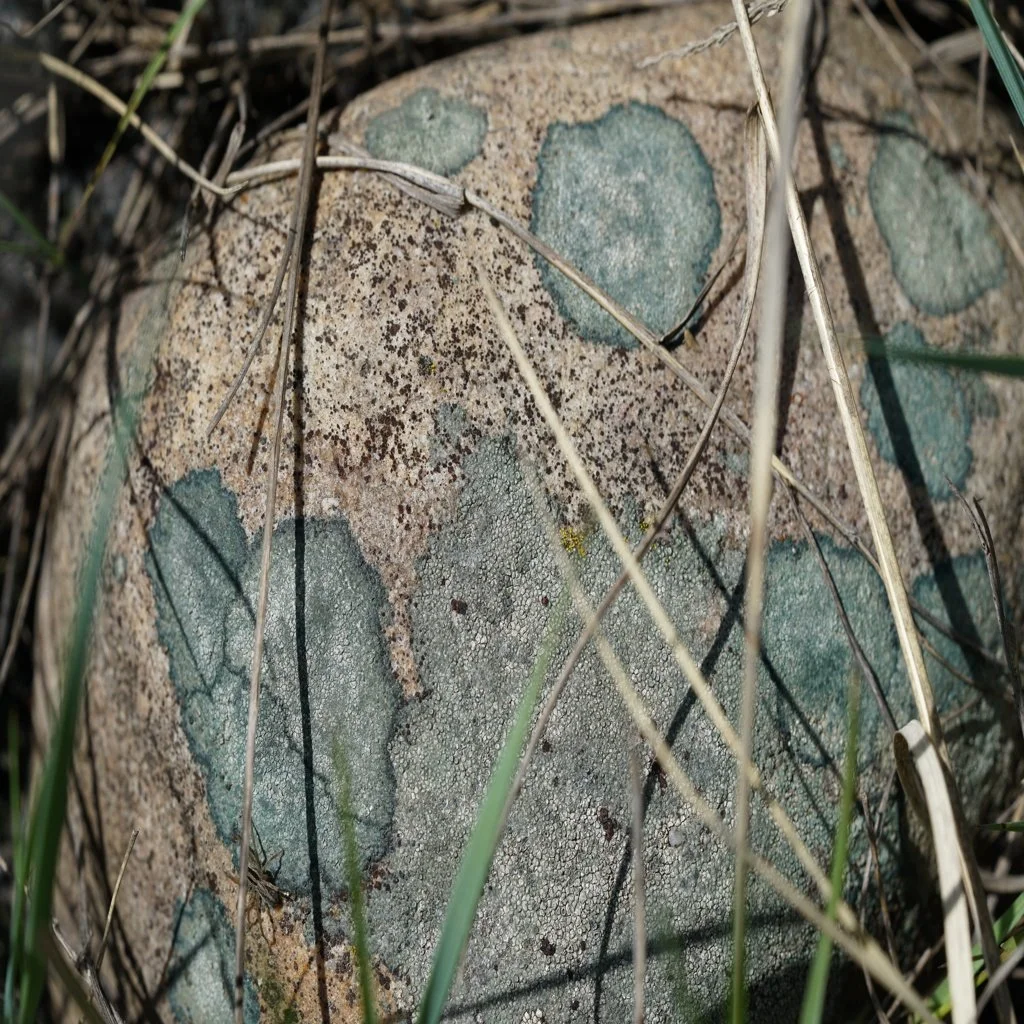
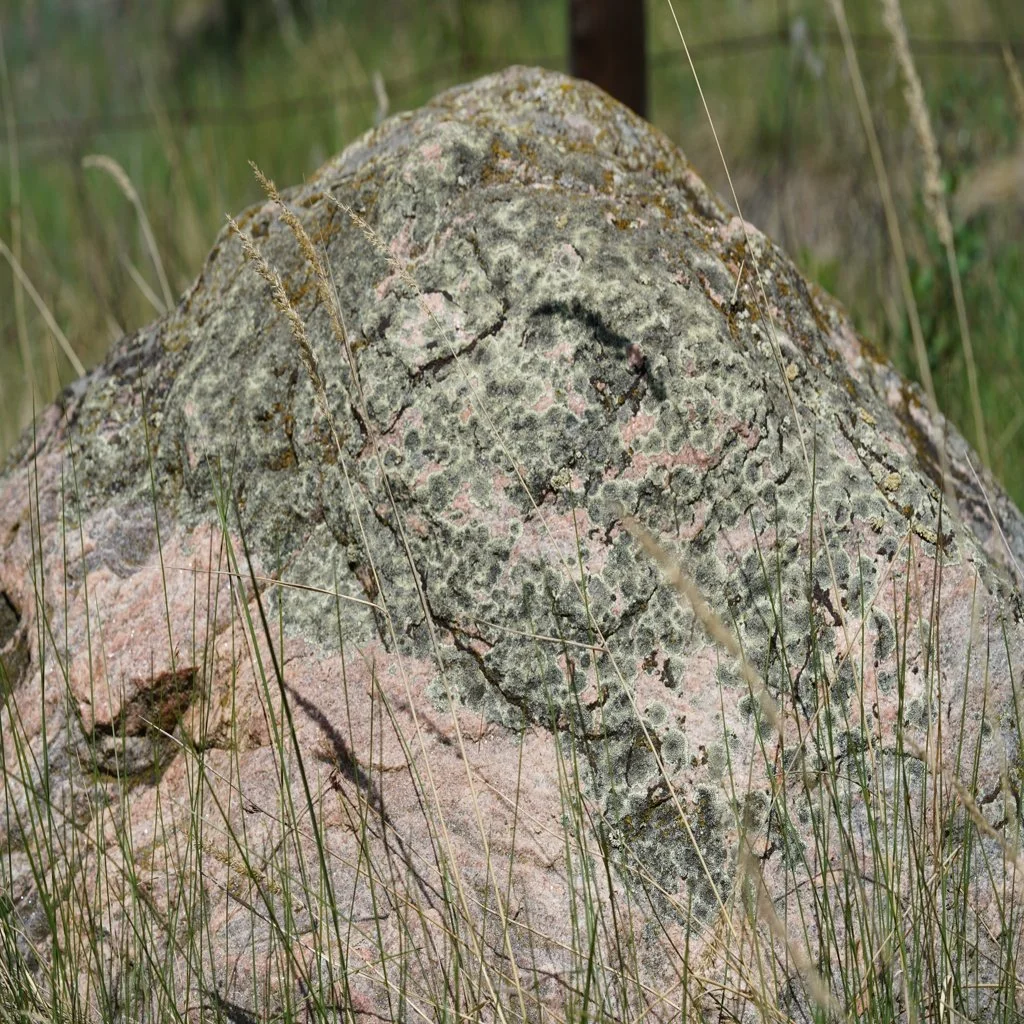
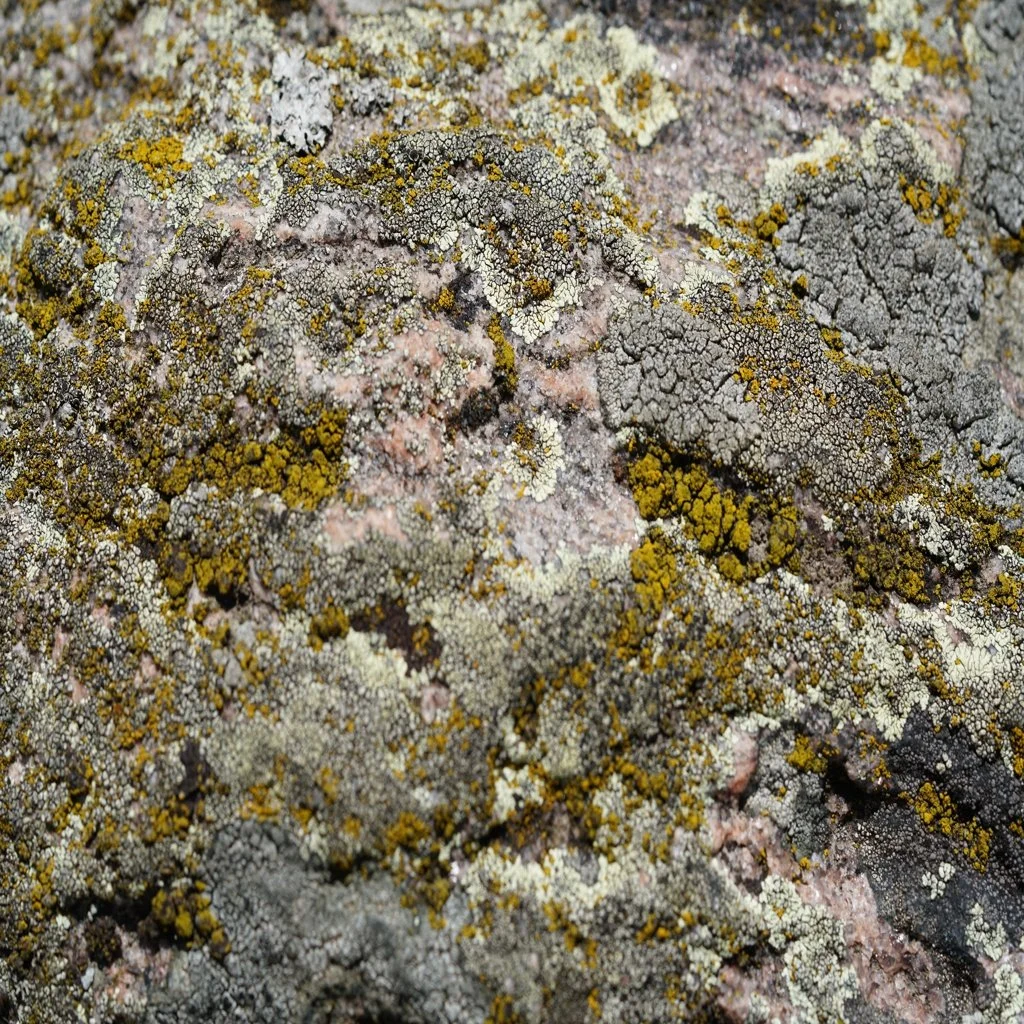
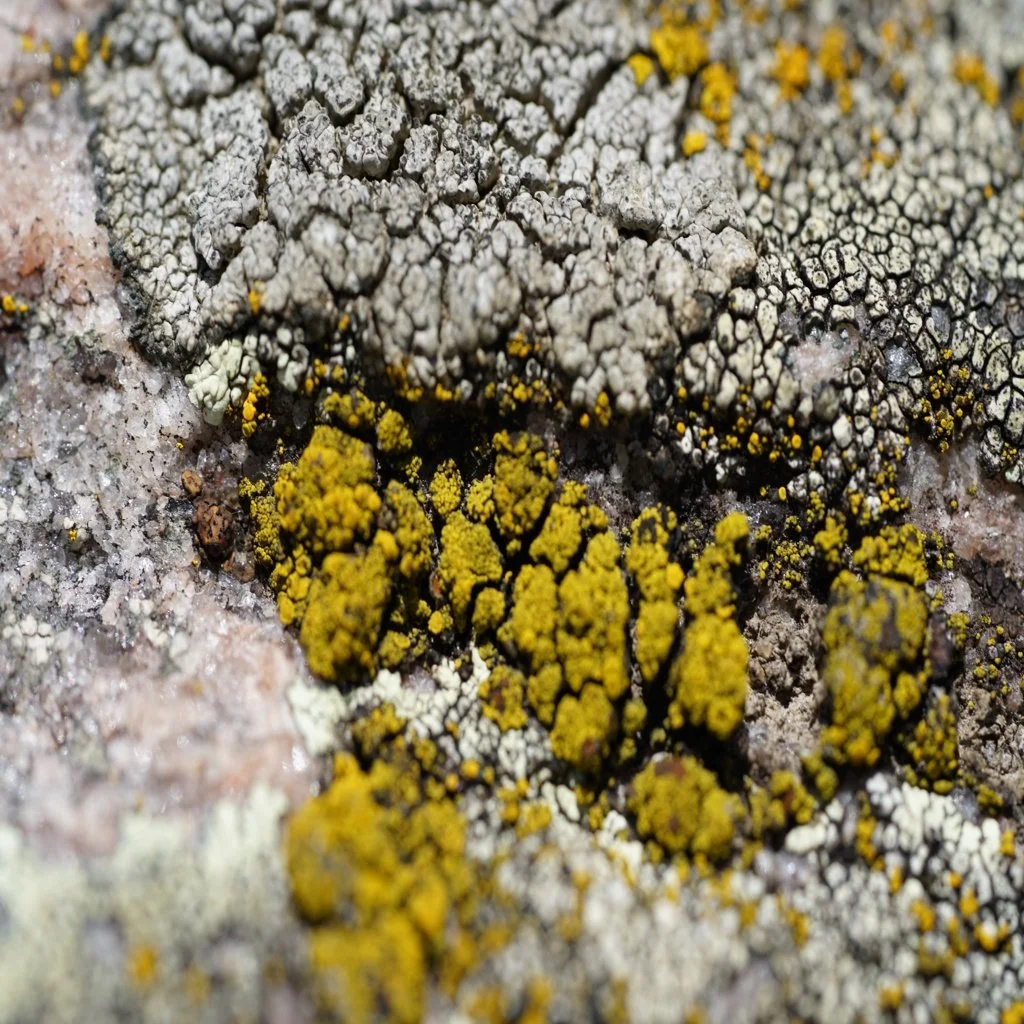
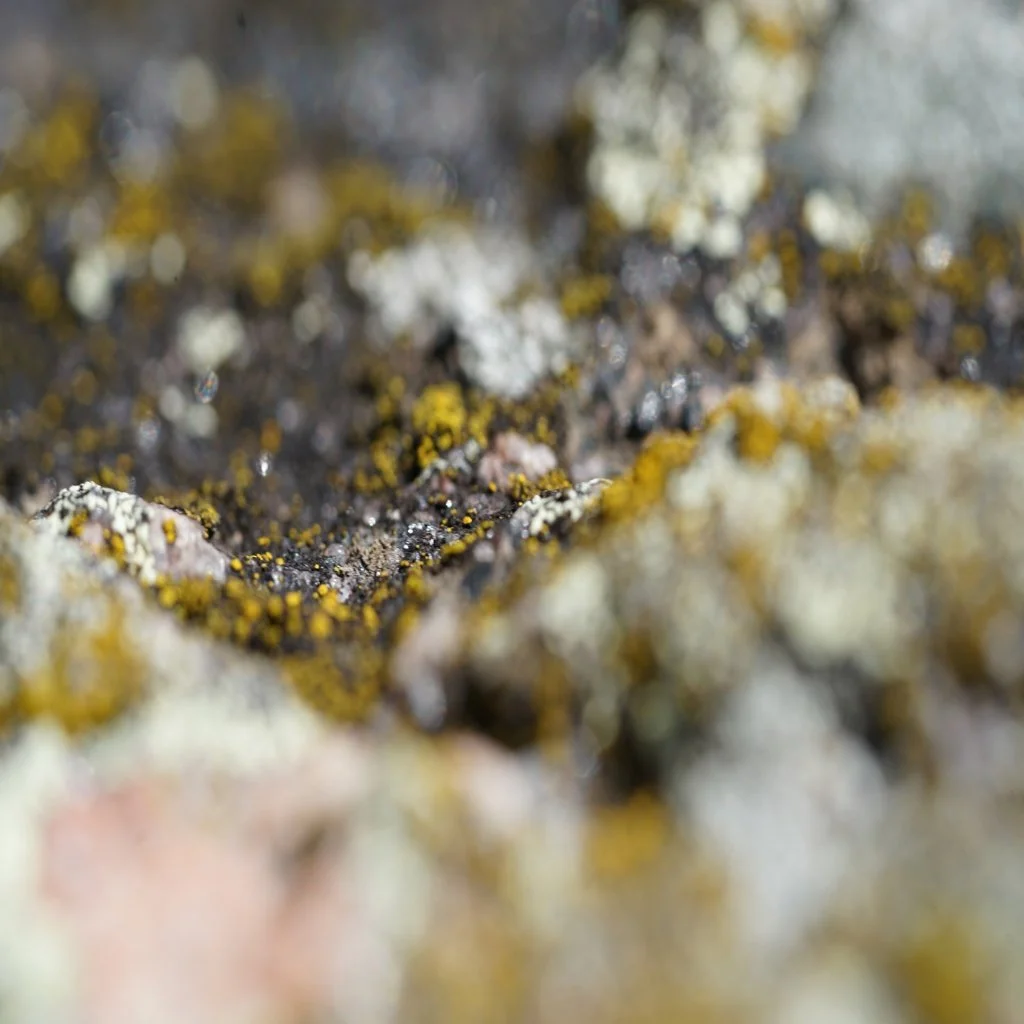
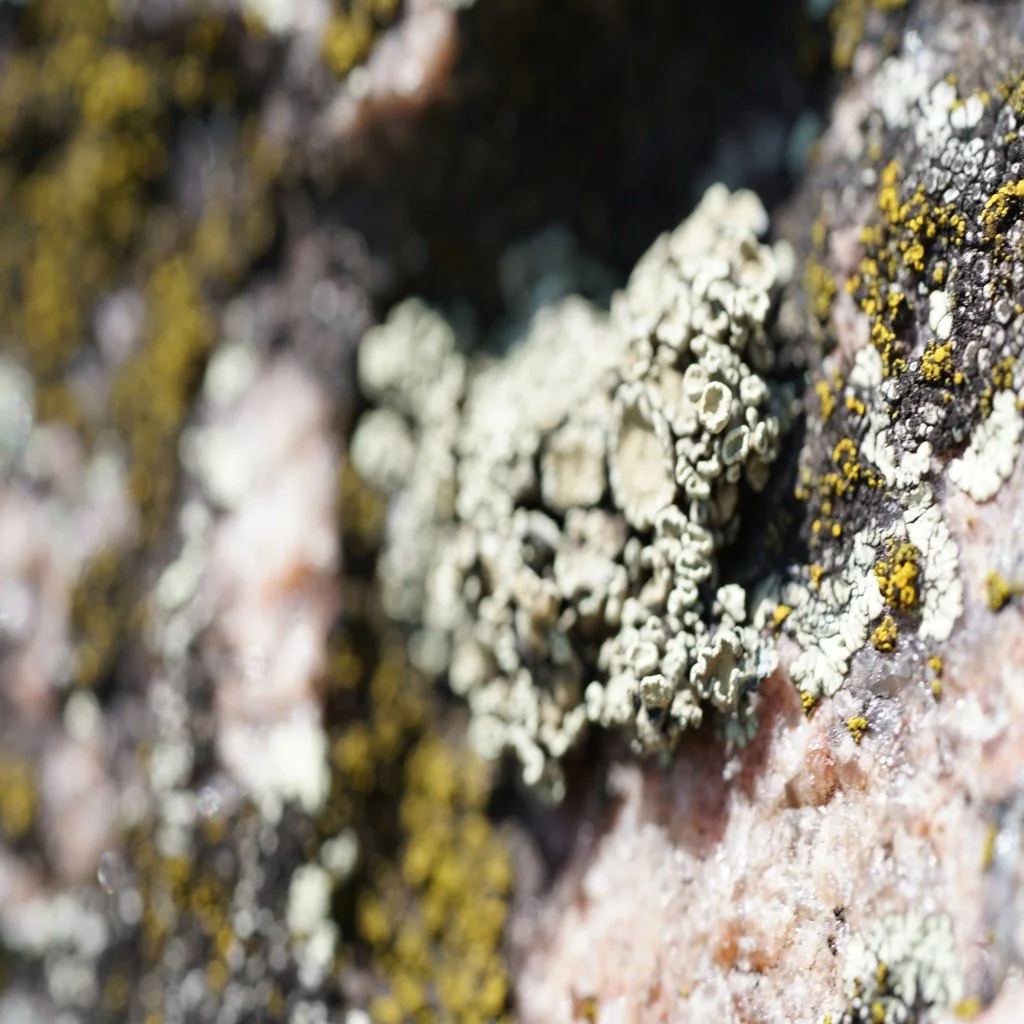
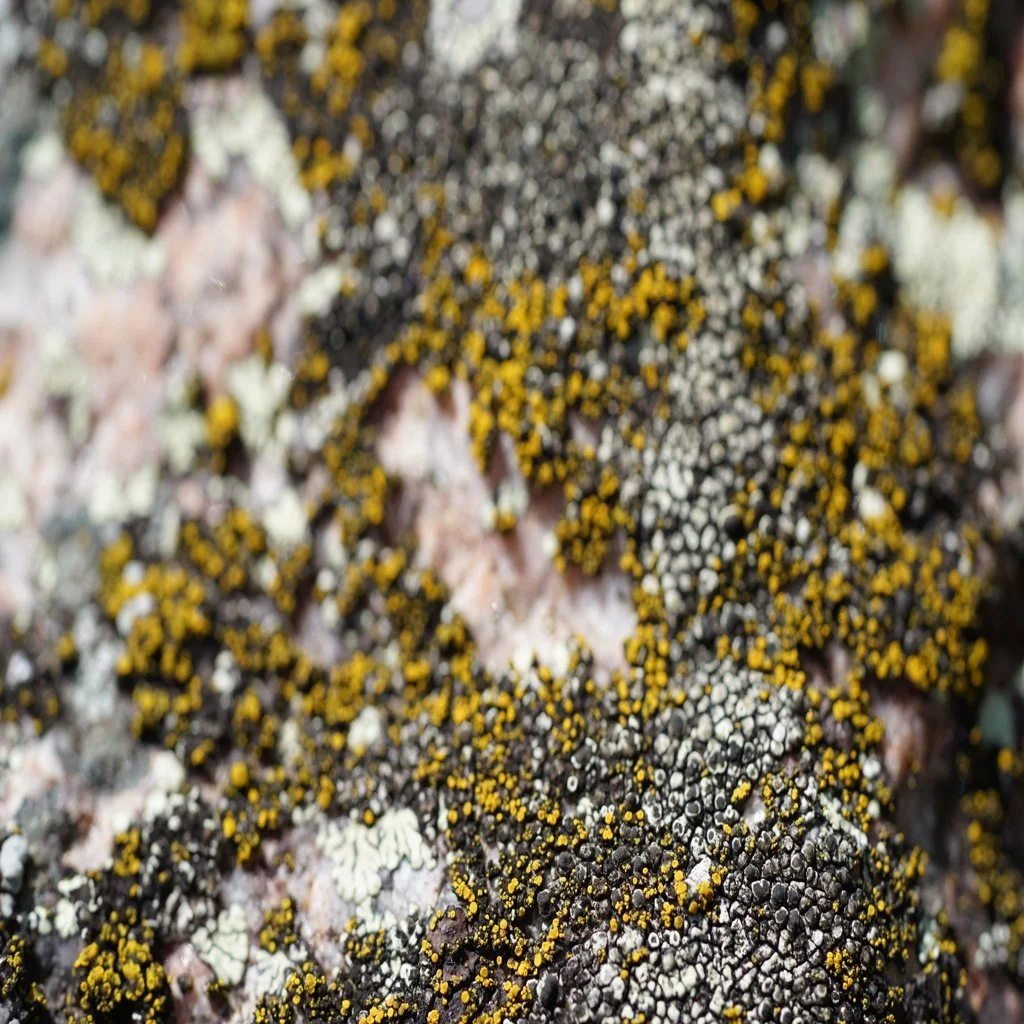
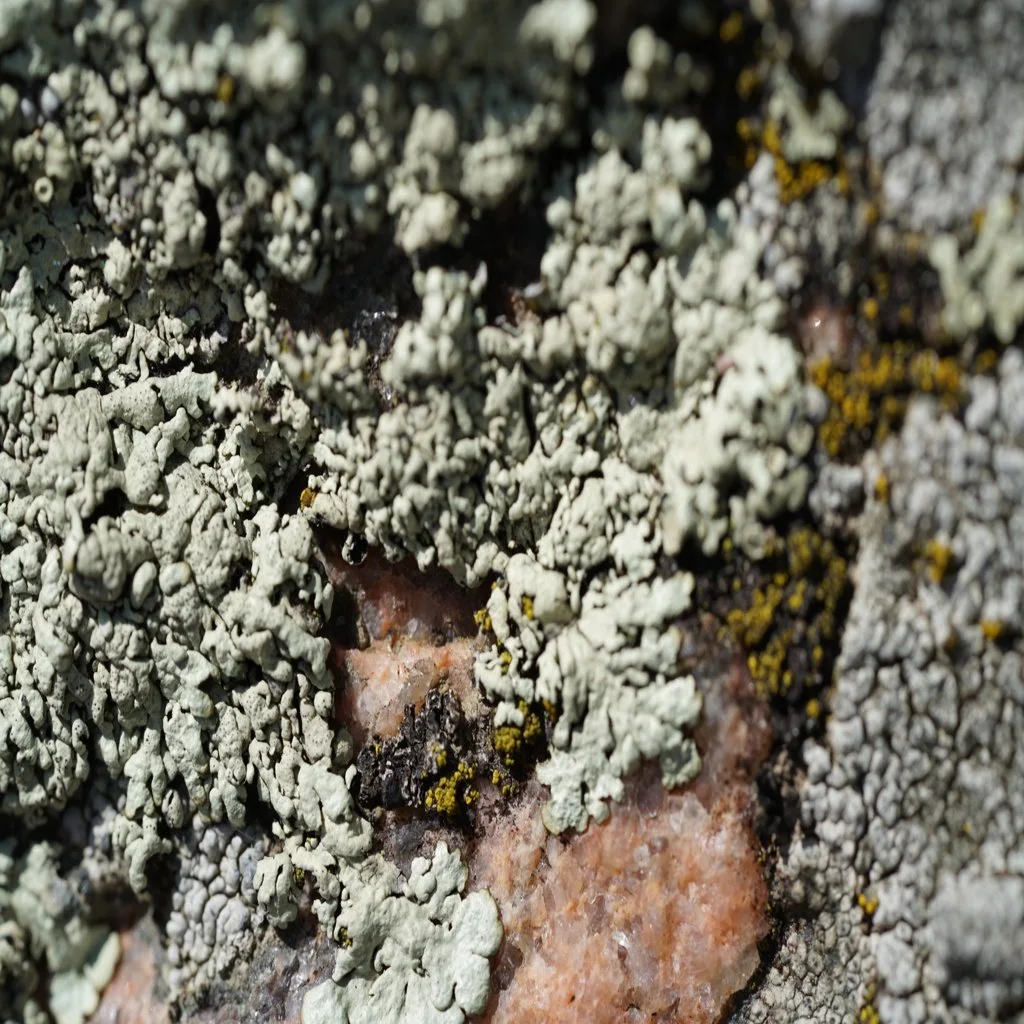
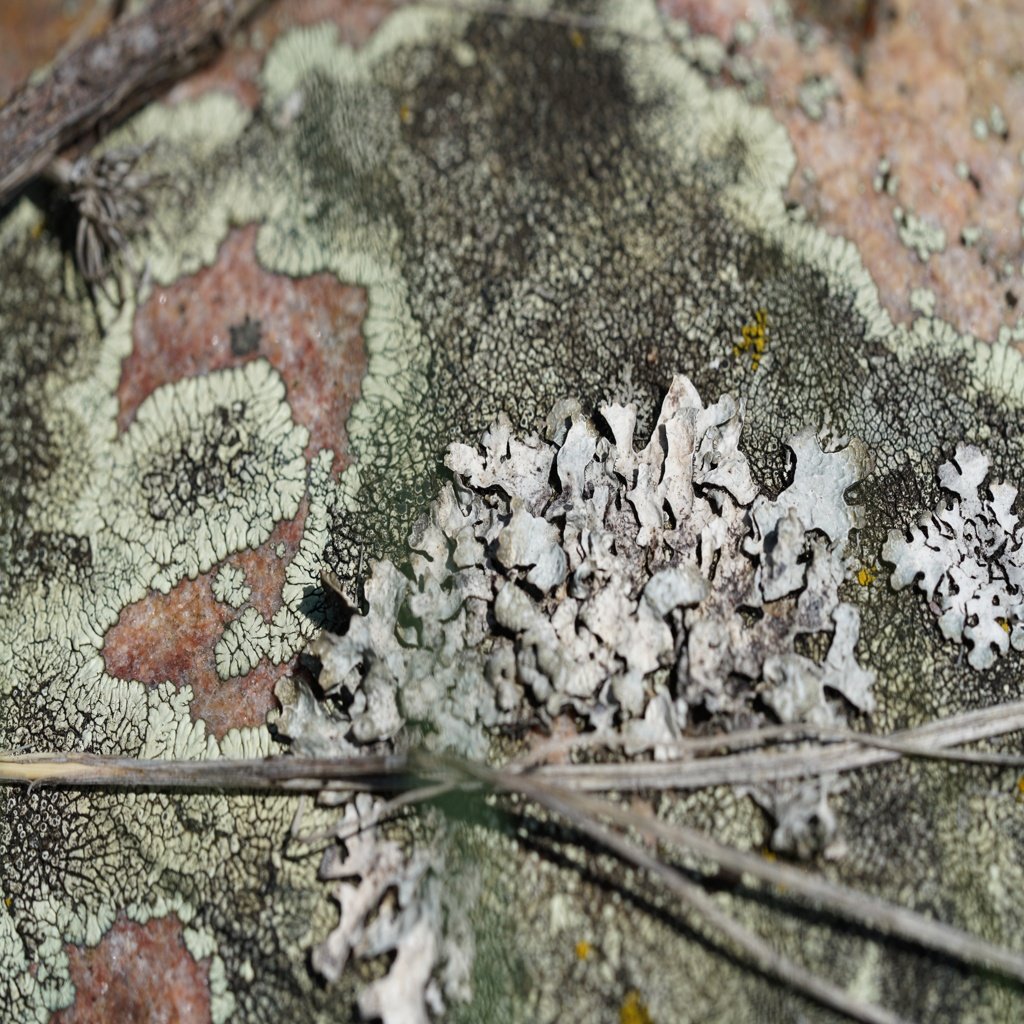
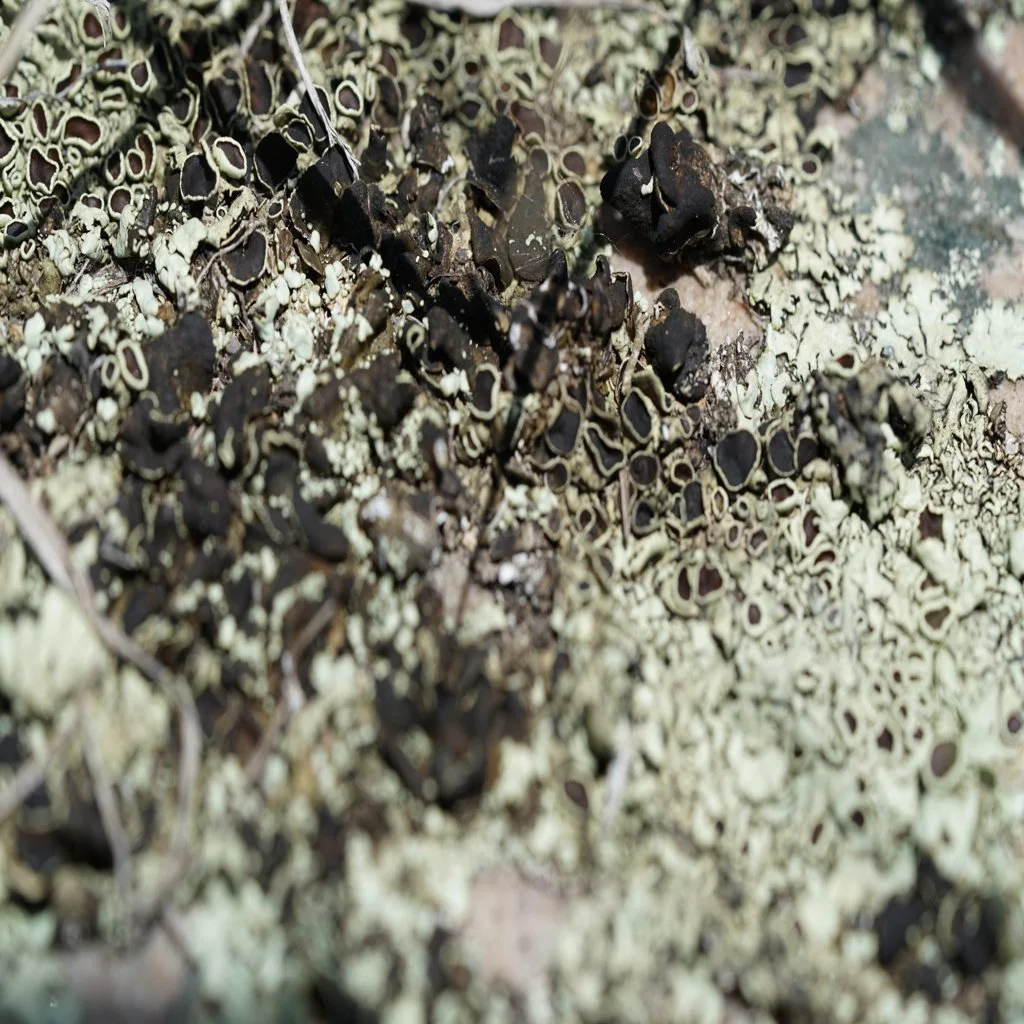
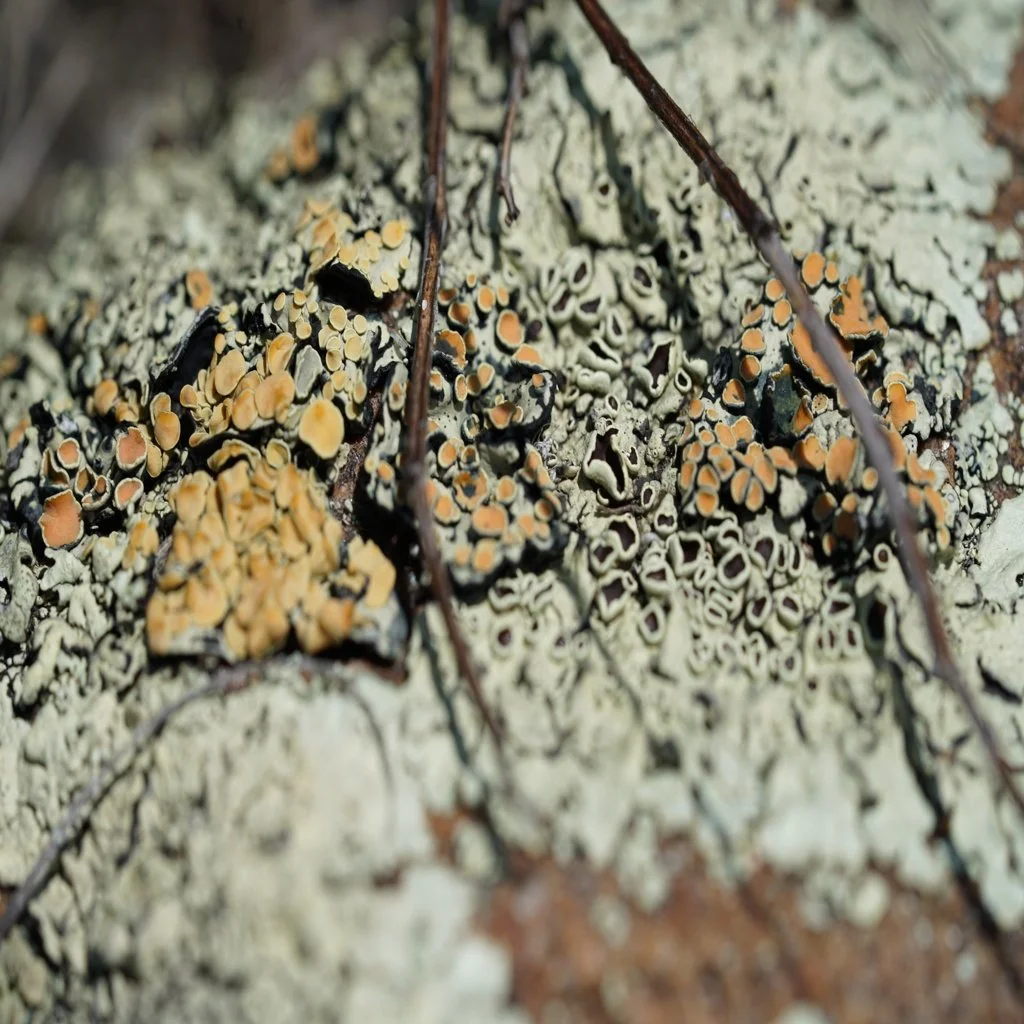
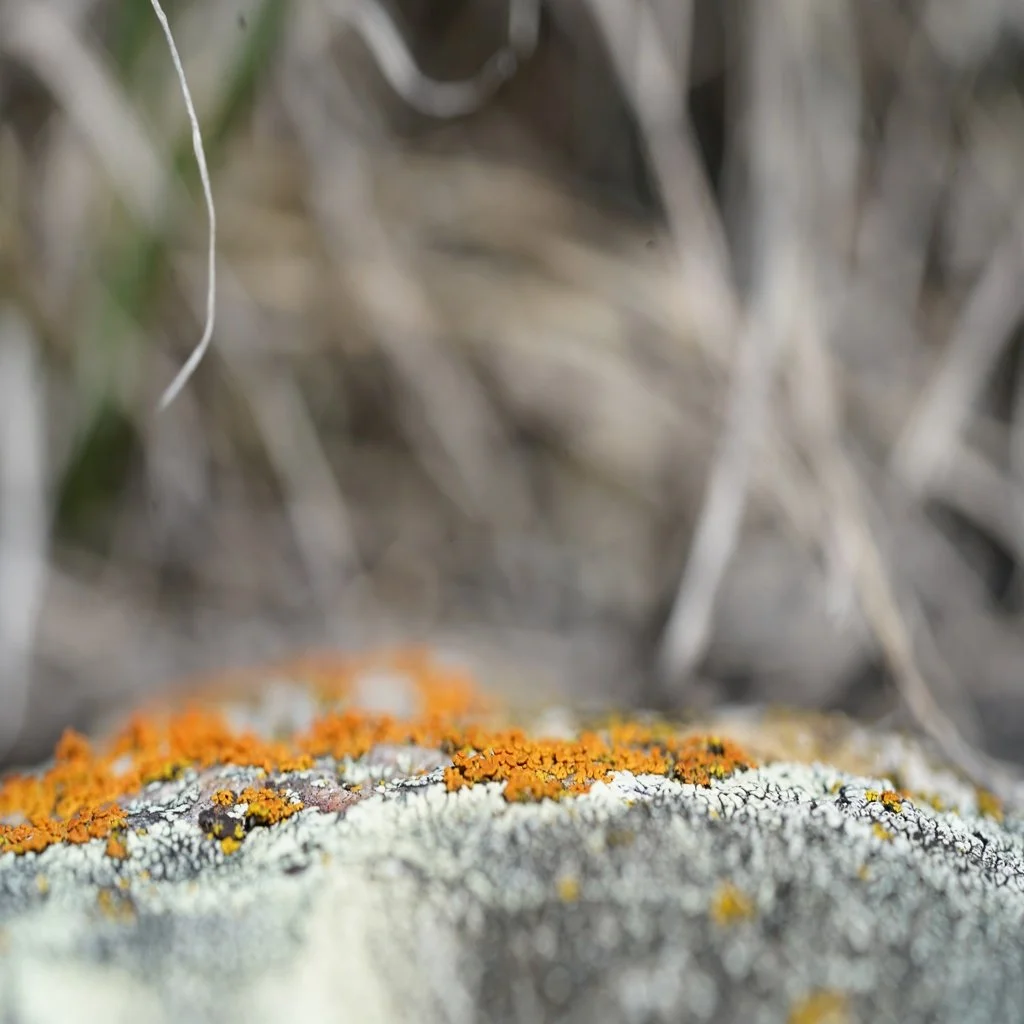
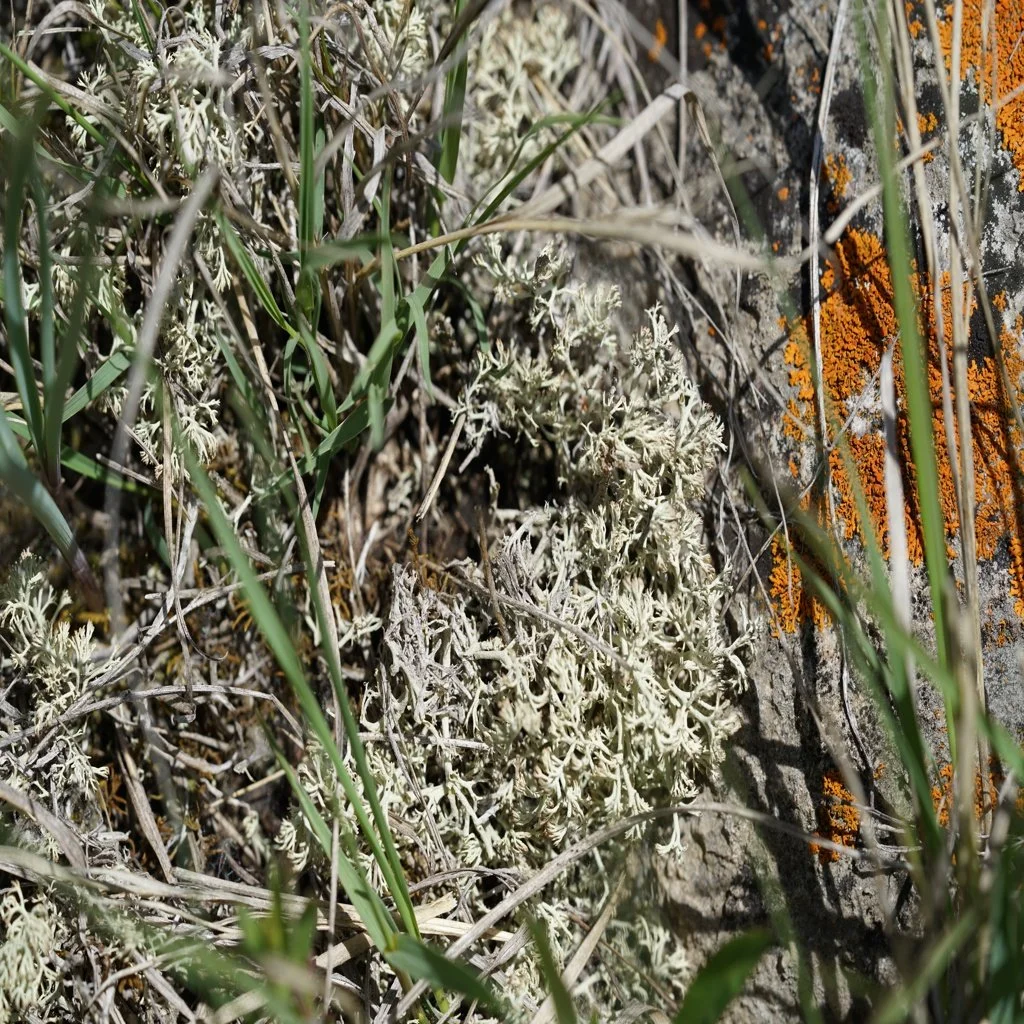
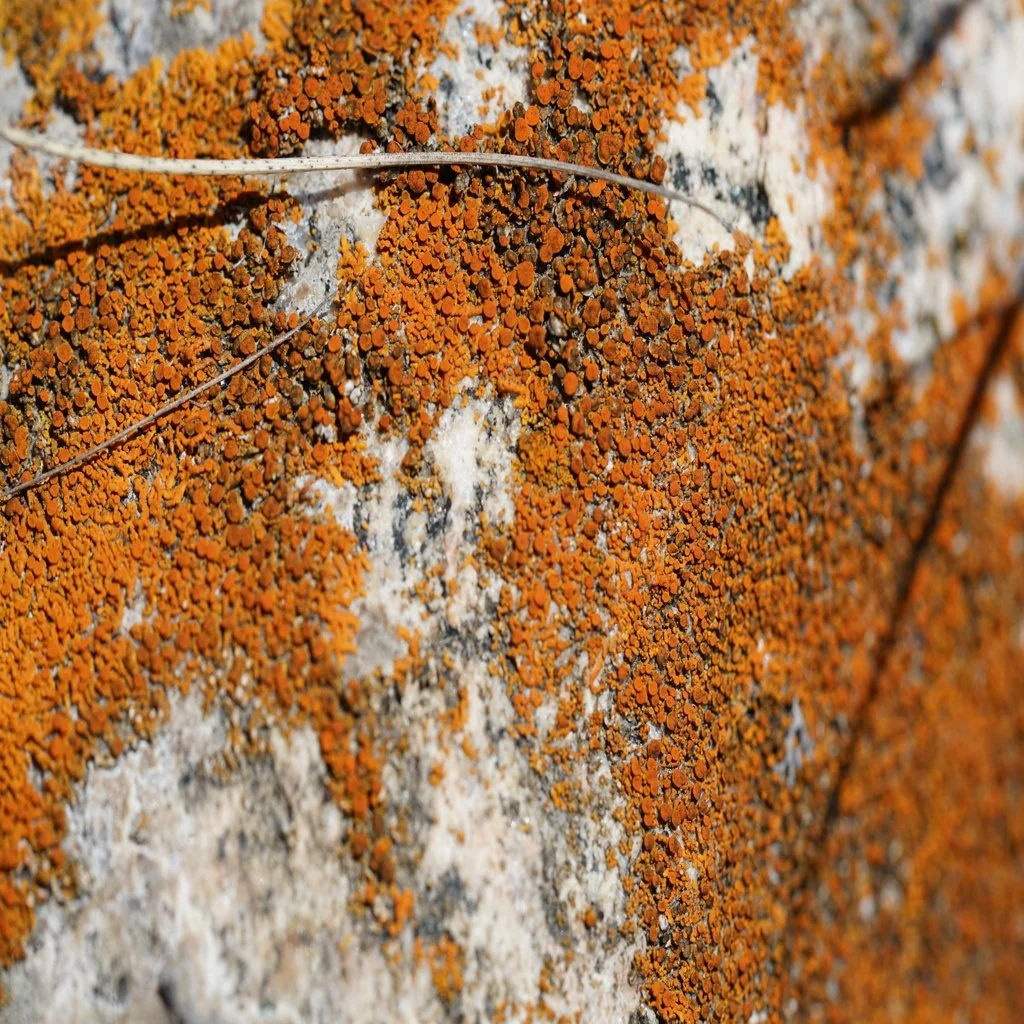
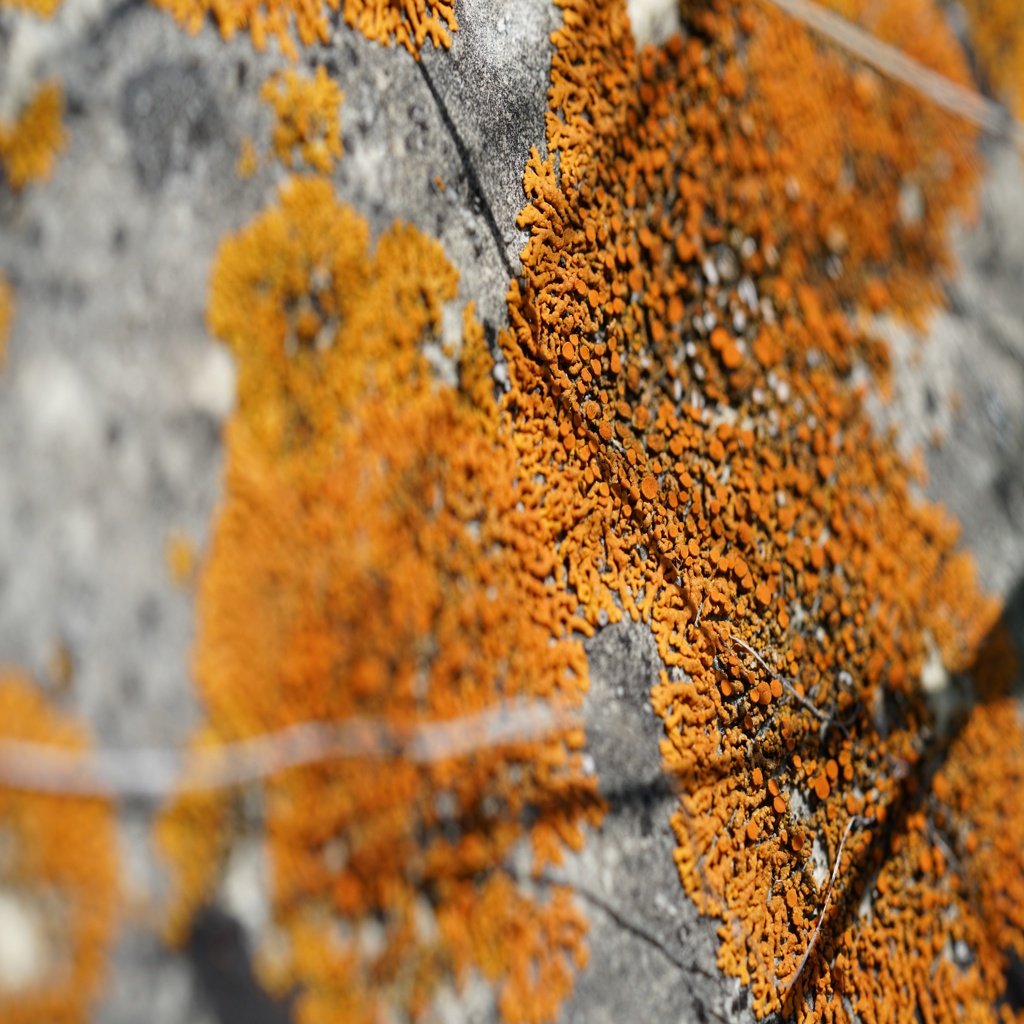
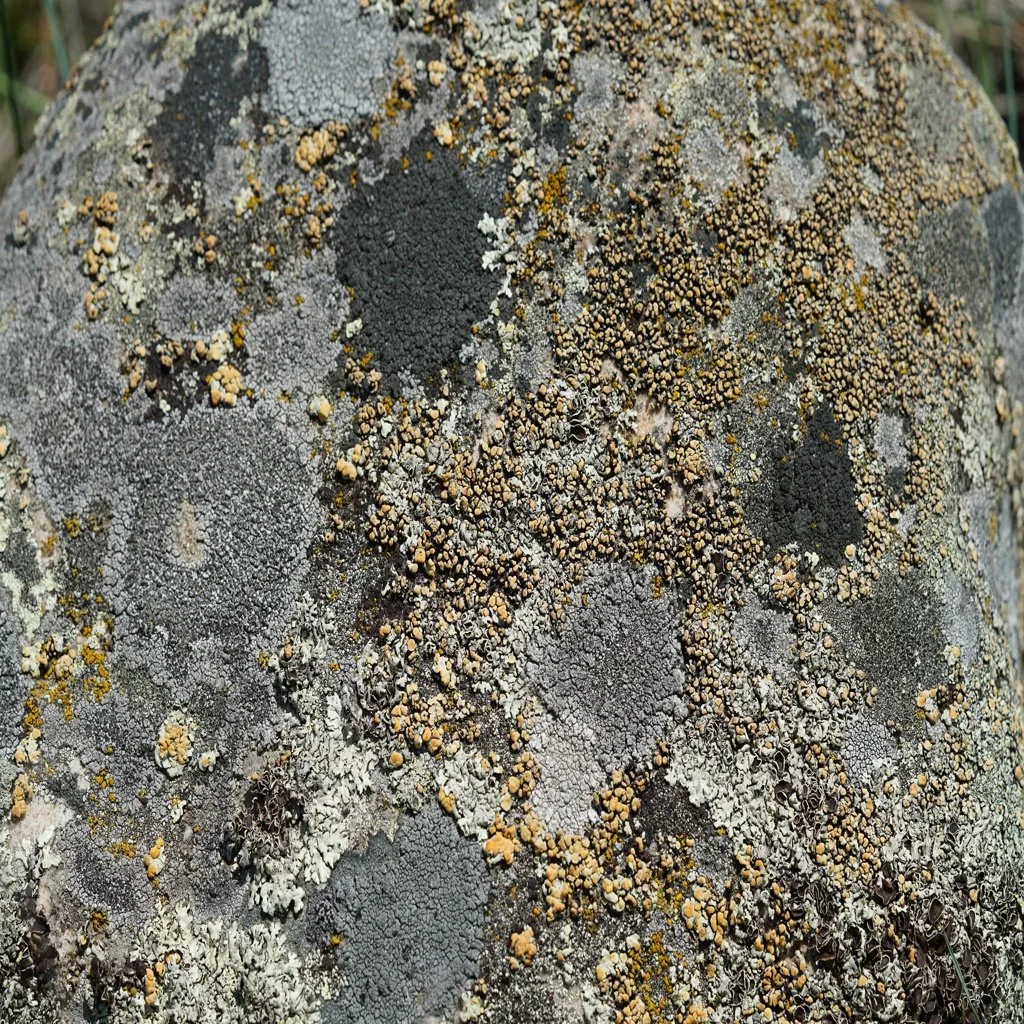
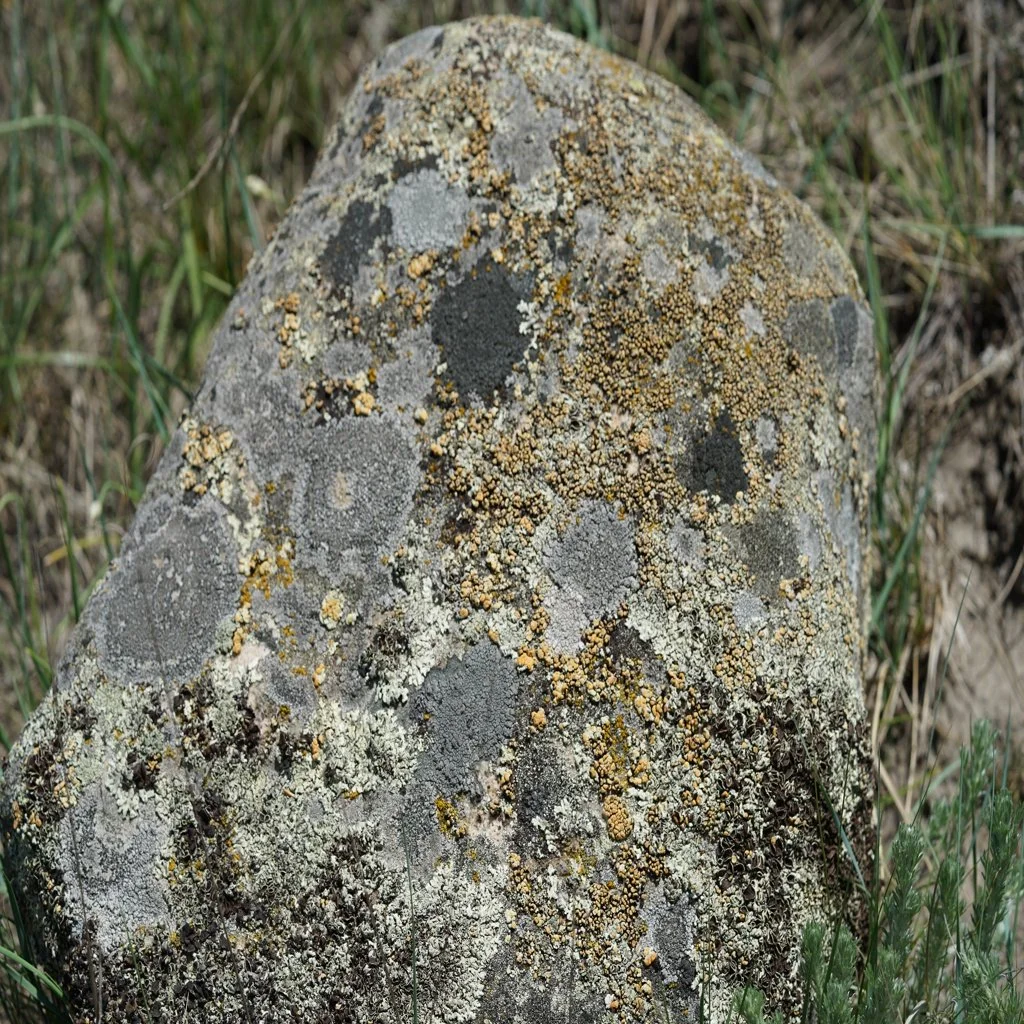
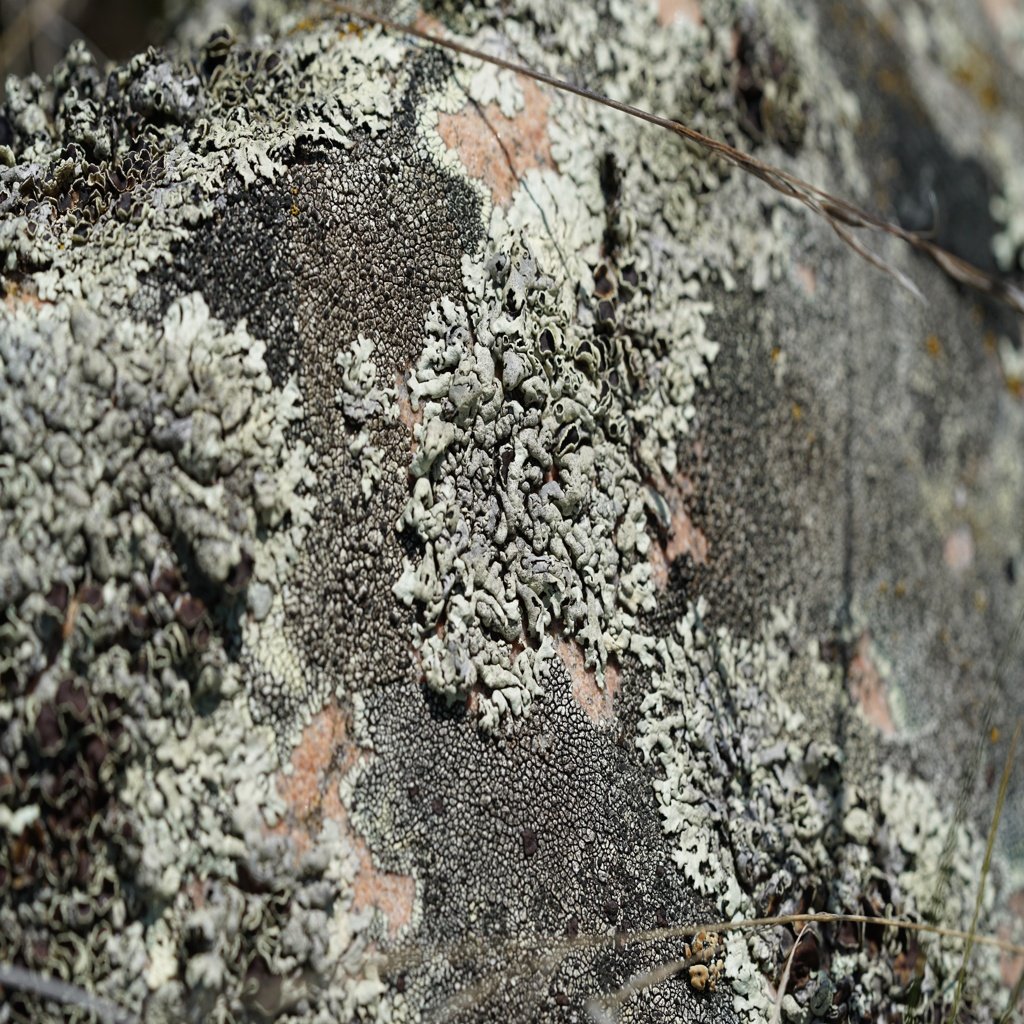
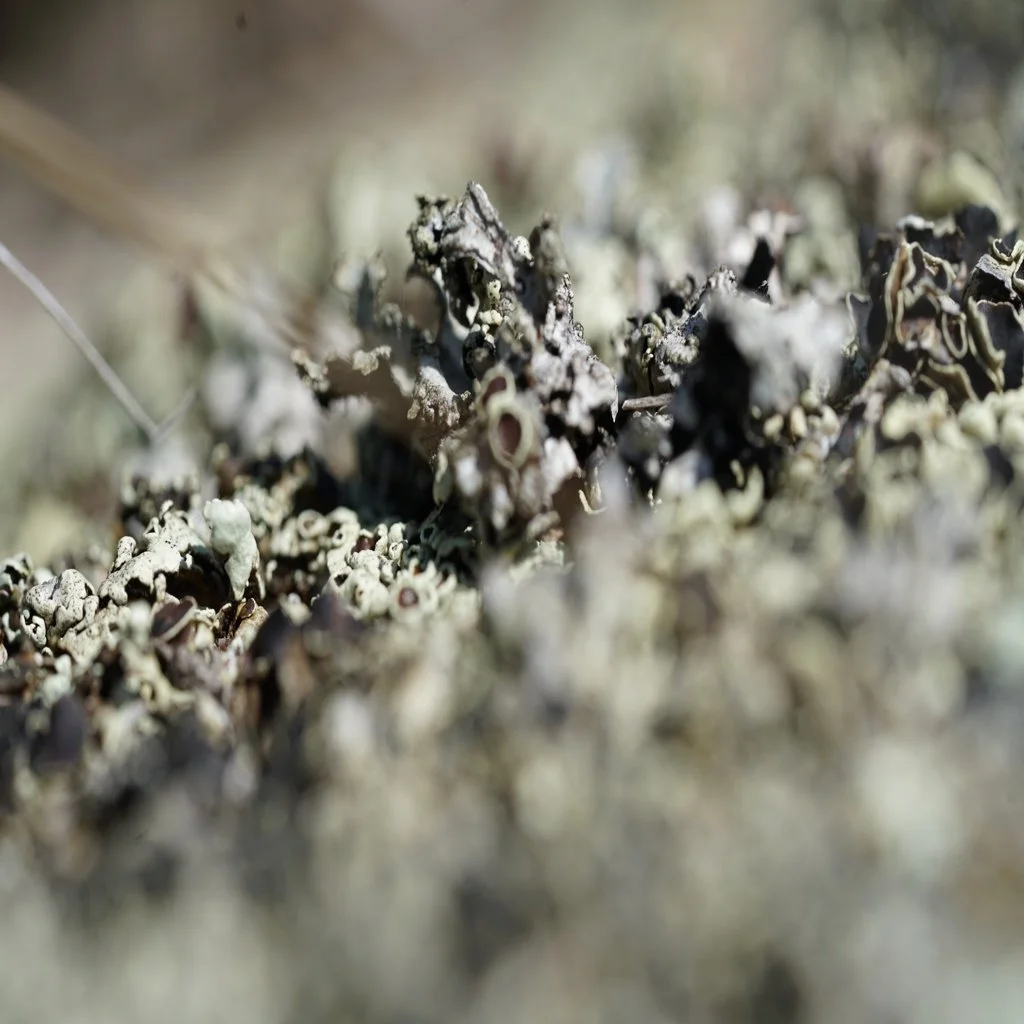
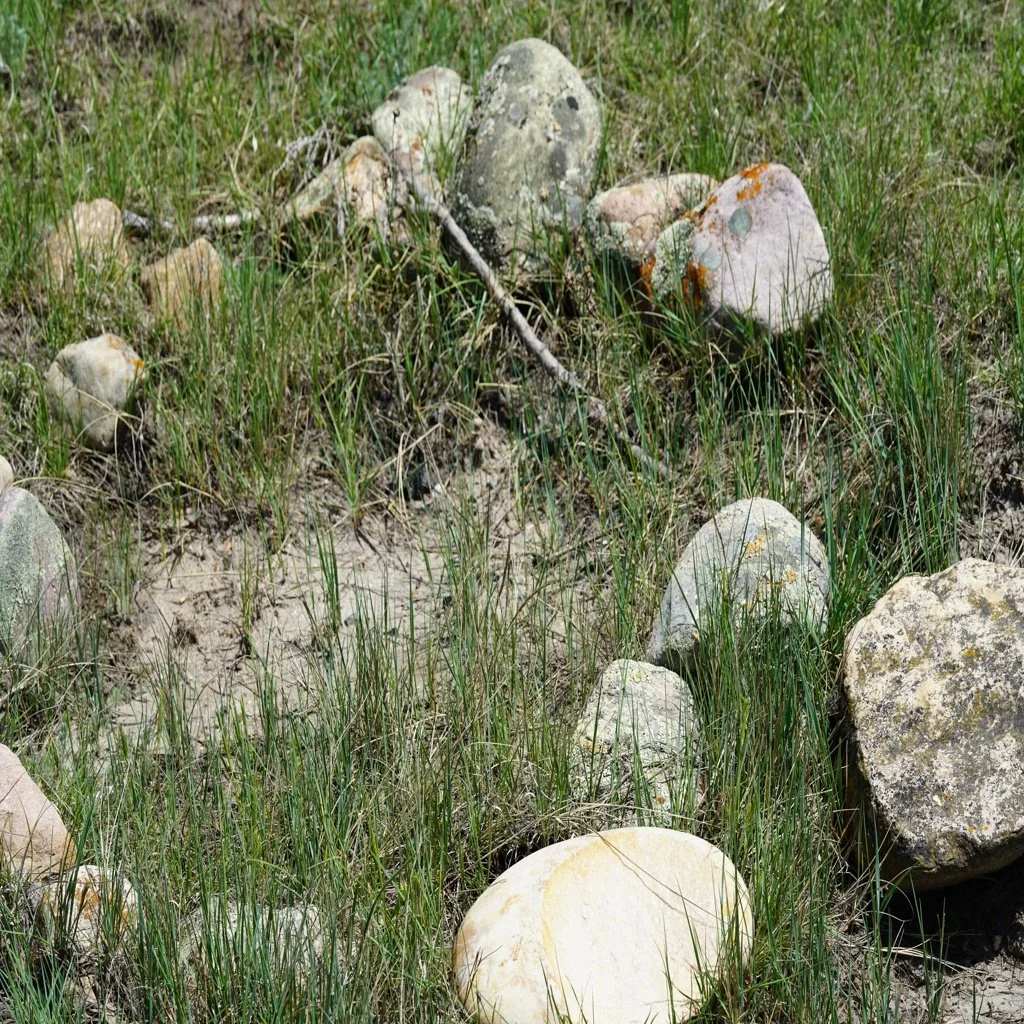
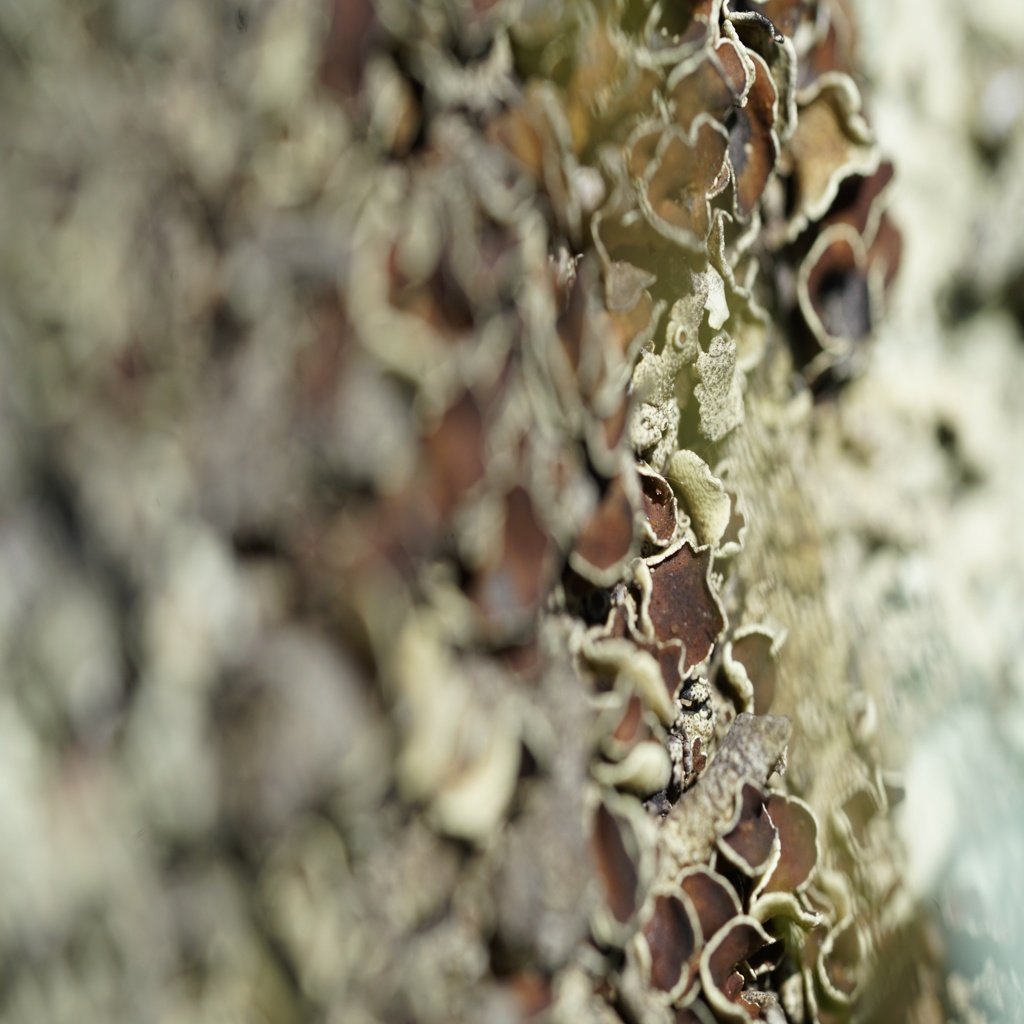
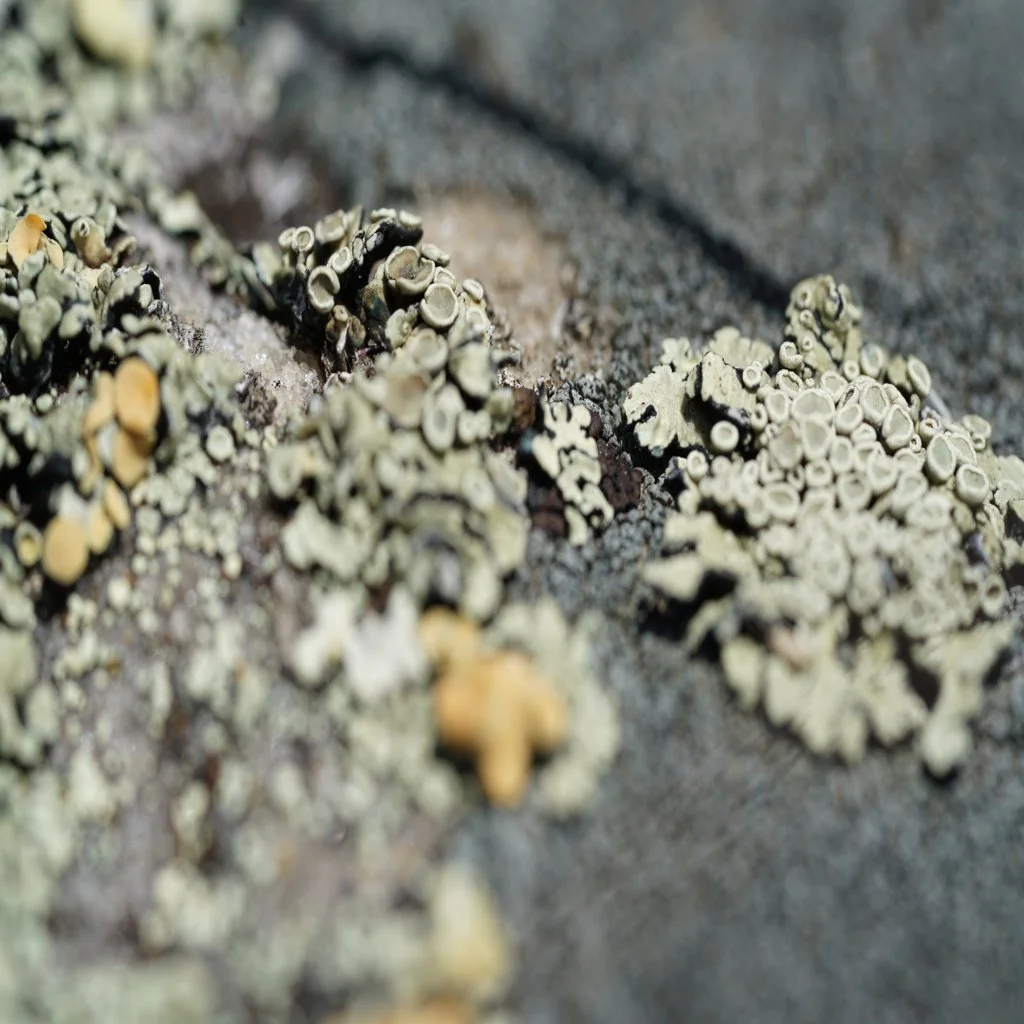
During the production of the work, I spent extended periods observing the site and became increasingly attentive to the lichen communities growing across the surrounding meadow. Research into lichen, particularly their complex symbiotic structures and potential biological longevity, reshaped my understanding of the site and redirected the conceptual frame of the project. The video ultimately reflects an expanded inquiry into multispecies relations, slow ecological processes, and the temporal scales present in geological and biological assemblages.
The Sandstone & The Sound of Stones forms part of a broader body of work titled Closer to Home?, which examines how place, memory, and more-than-human relations inform experiences of belonging. The project considers how rural environments make visible different ecological dynamics and how close observation can shift assumptions about land, history, and the species that inhabit these spaces.