

Songbike (Pirate Radio Version), 2009
MST Ride On!, Calgary, AB
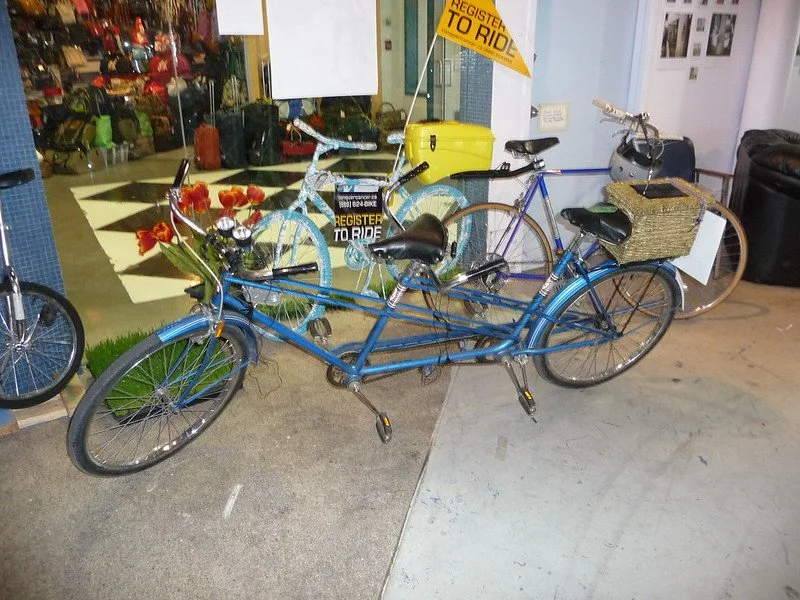
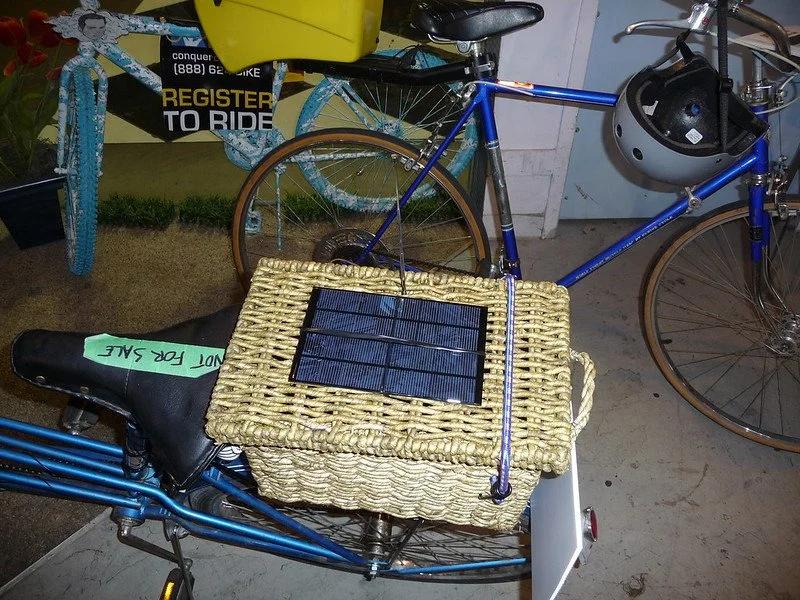
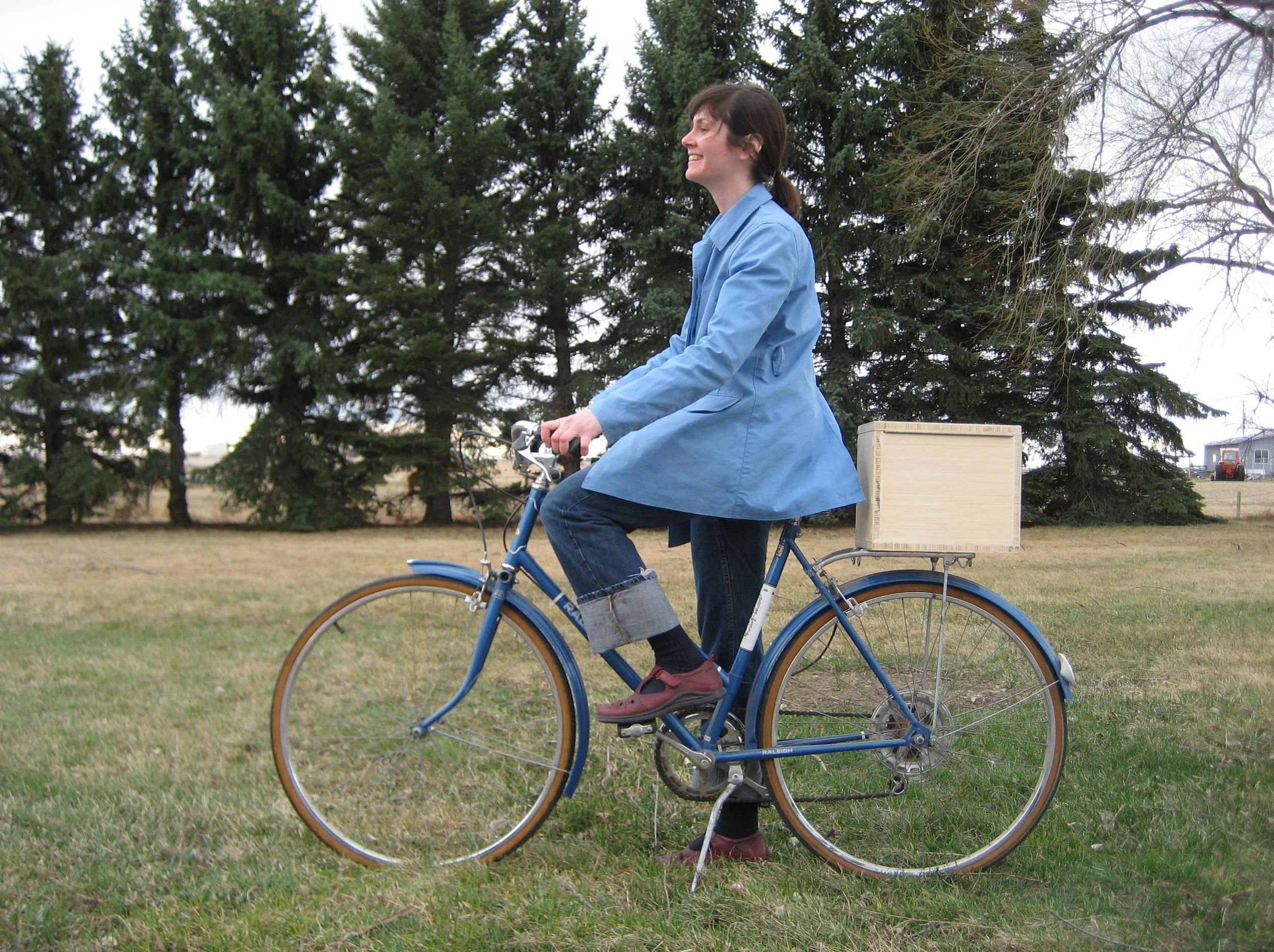
Songbike (2006–2009) is a mobile sound laboratory and pirate radio platform that collects, broadcasts, and circulates urban soundscapes alongside individual and collective community narratives. Operating from a modified bicycle outfitted with speakers and recording equipment, Songbike moves through neighbourhoods gathering voices, ambient sound, and stories that reflect lived experiences of place, memory, and urban change.
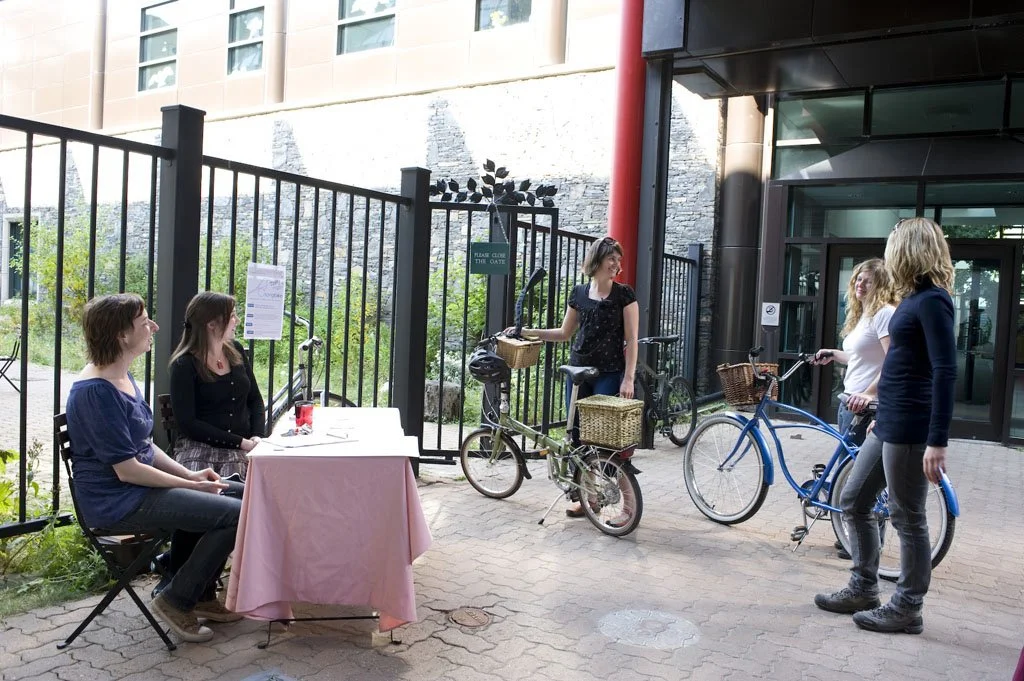
During the Ride On! edition of Meet the Street, the project functioned as a roaming broadcast station. Audio recordings—ranging from casual conversations and guided neighbourhood tours to reflections on development, displacement, and belonging—were streamed live or rebroadcast back into the community via the bicycle’s speakers, temporarily collapsing the distance between recording, transmission, and reception. Collected audio was also archived online, where the website served as a visual and auditory map linking physical routes to narrative traces.
Rooted in DIY culture and pirate radio traditions, Songbike was conceived as a deliberate gesture to move art outside institutional spaces and into everyday urban life. The project foregrounds low-tech experimentation, reuse, mobility, and informal exchange, merging street performance, sound art, sustainability, and community-based research. By bridging physical movement with digital dissemination, Songbike creates a porous interface between embodied experience and networked publics.
The project was originally conceived during the Interactive Screen 0.6 residency at the Banff New Media Institute (2006). Subsequent iterations were realized at Signal & Noise Festival (Vancouver, 2007), where the focus was on urban soundscape, and at CONFLUX Festival (Brooklyn, 2007), where live audio and moving video were streamed online in real time. The 2009 Pirate Radio version marked a shift toward deeper social engagement, emphasizing spontaneous, invitational conversations with pedestrians and community members. Rather than prioritizing ambient sound alone, this iteration focused on producing a layered, participatory portrait of how rapid urban development is experienced by those who inhabit the city.