



Lilipod, 2010
Medialab Prado, Madrid
Kelly Andres (Canada)
Collaborators: Saoirse Higgins, Max Kazemzadeh, Reza Safavi
Lilipod is a research-creation project that explores DIY bioremediation through community stewardship, open technologies, and ecological sensing. Conceived as a set of modular tools rather than a single artwork, the project proposes small-scale, participatory devices that enable citizens to study, implement, and monitor habitat remediation efforts in situ.
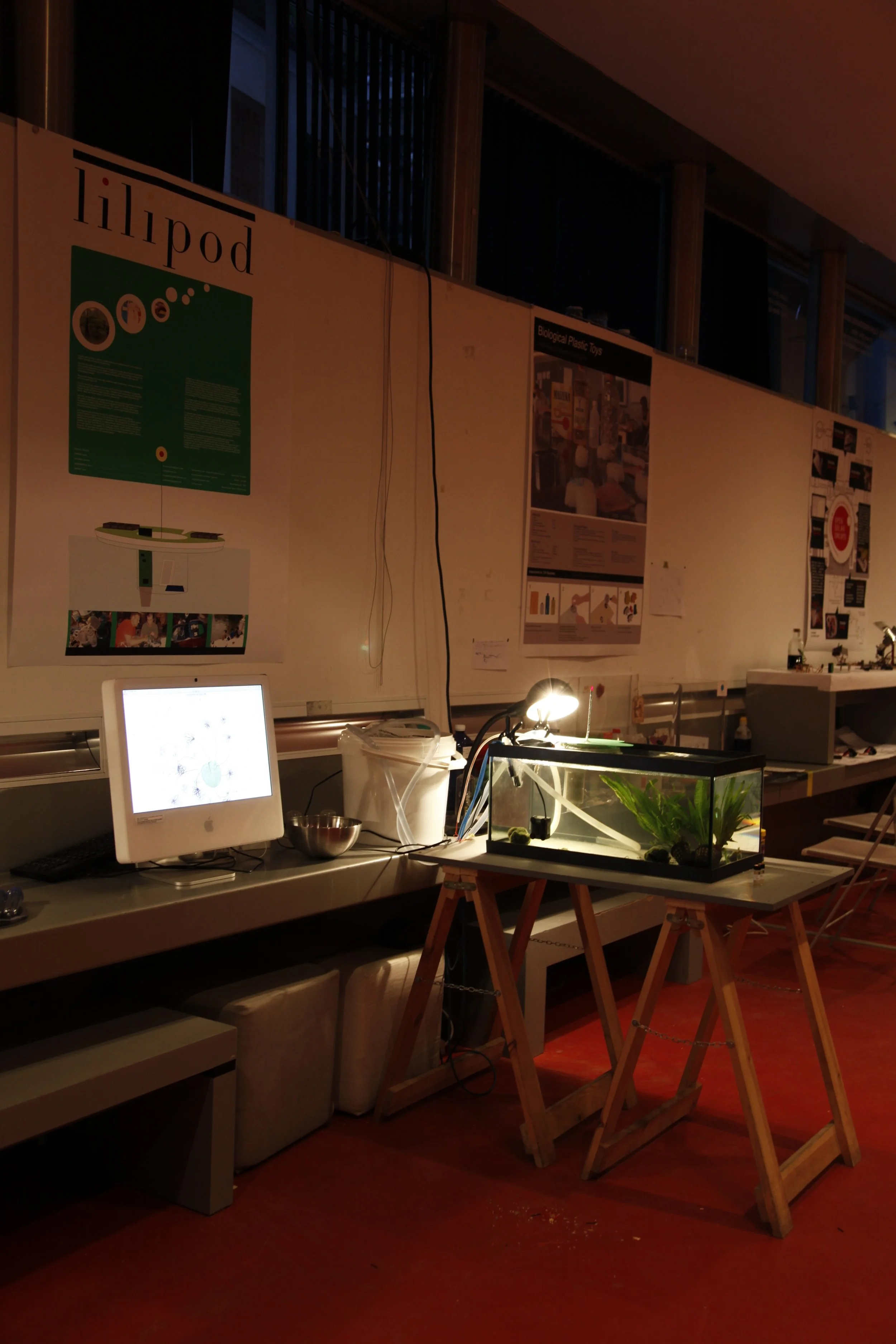
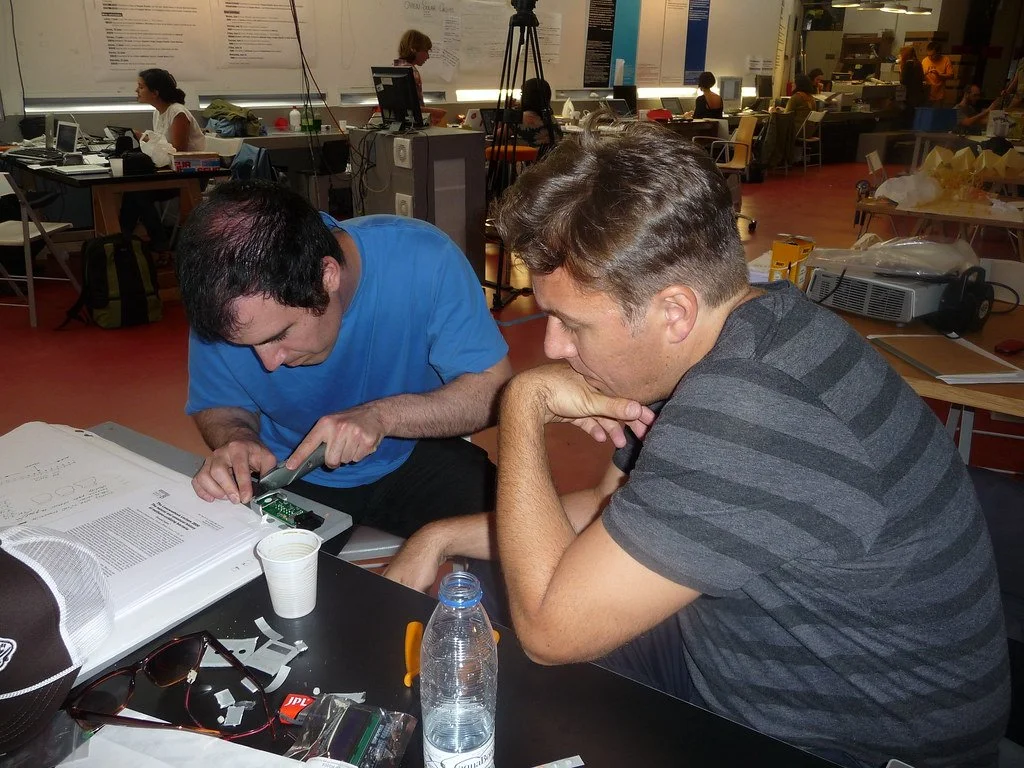
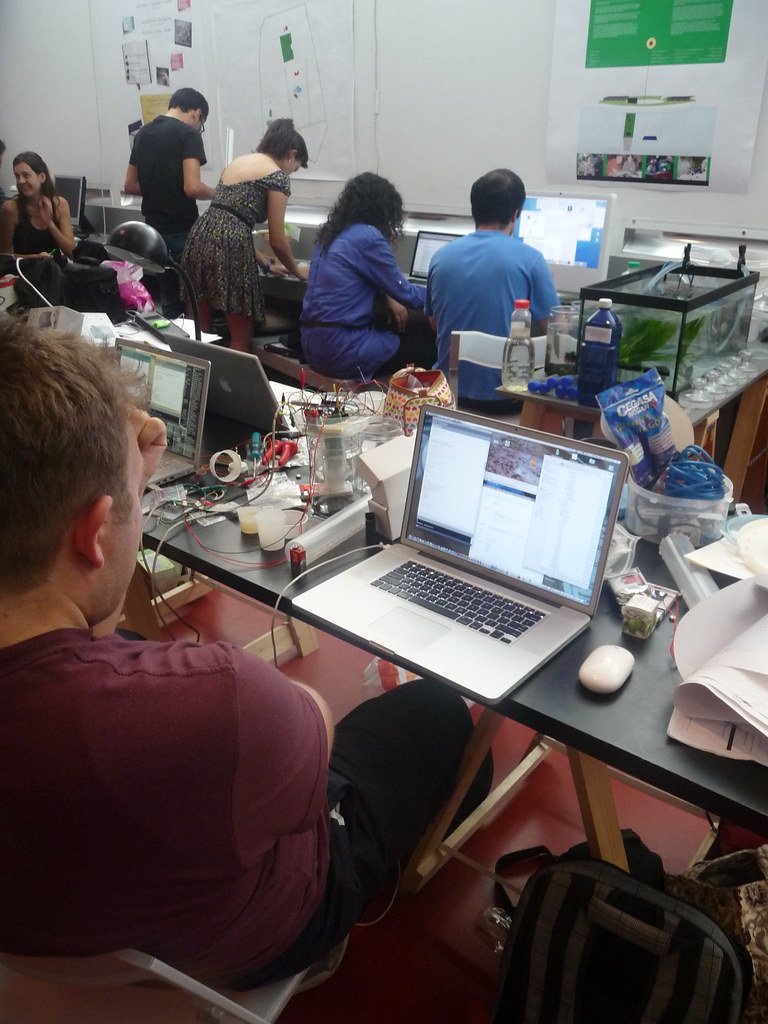
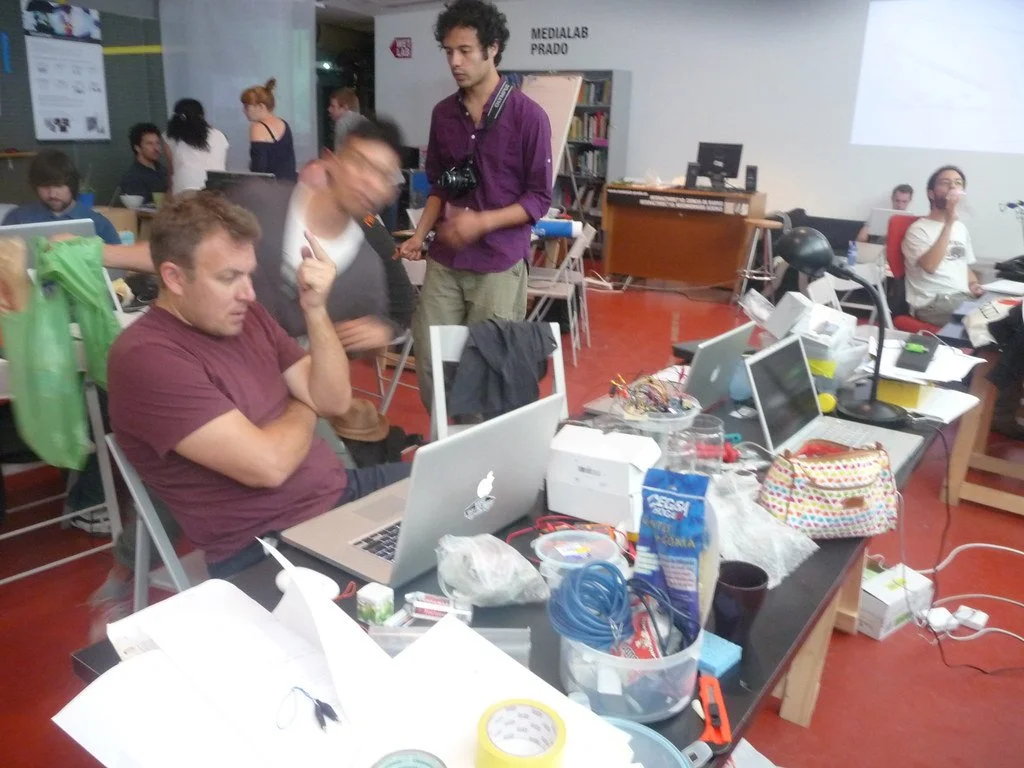
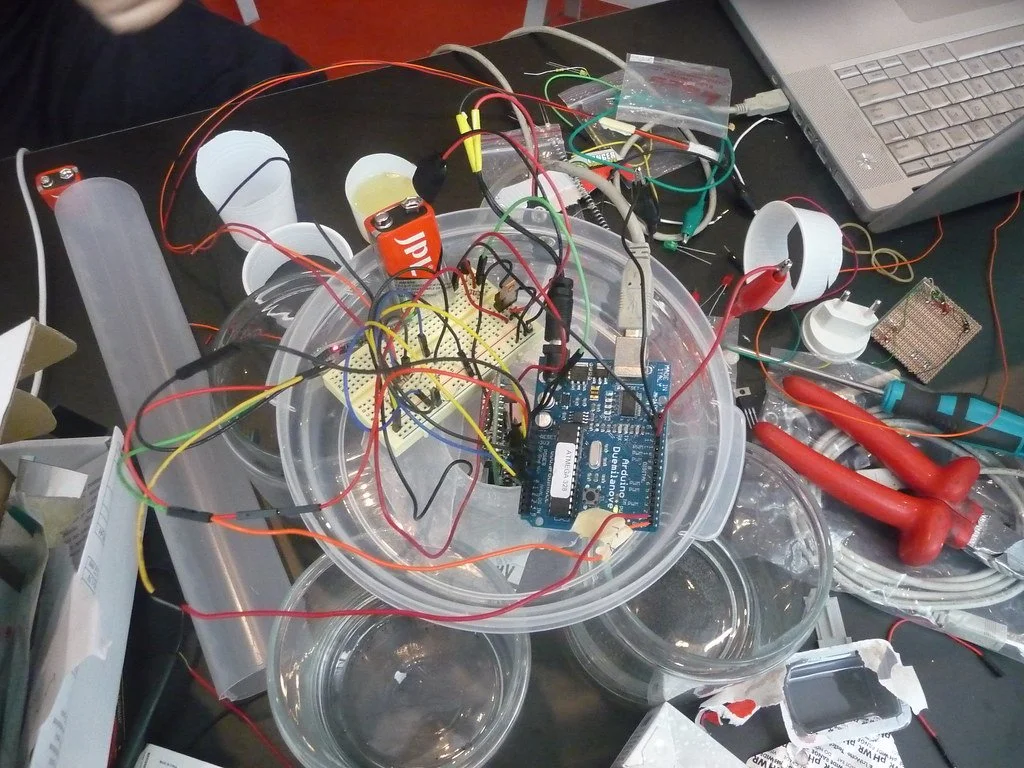
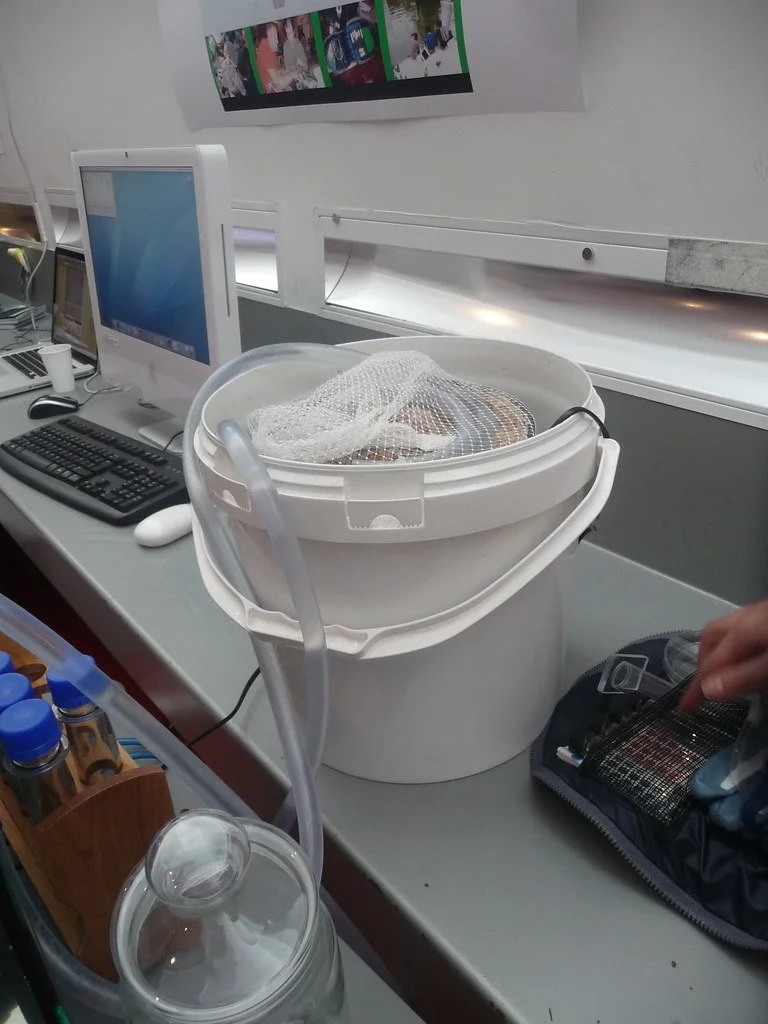
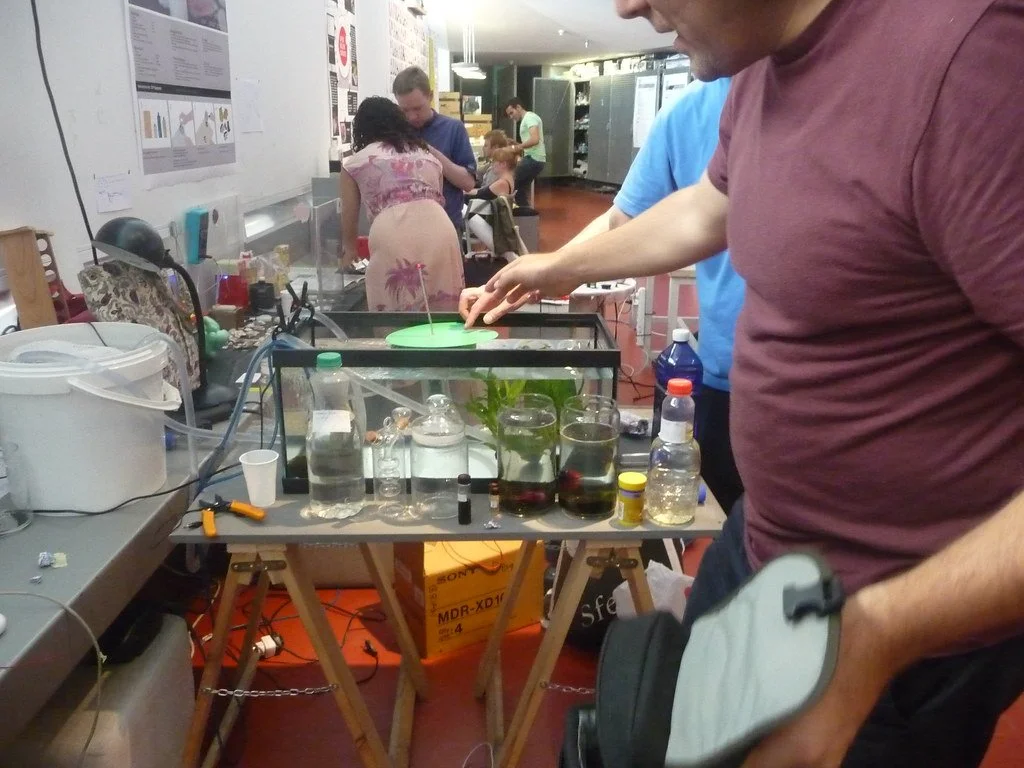
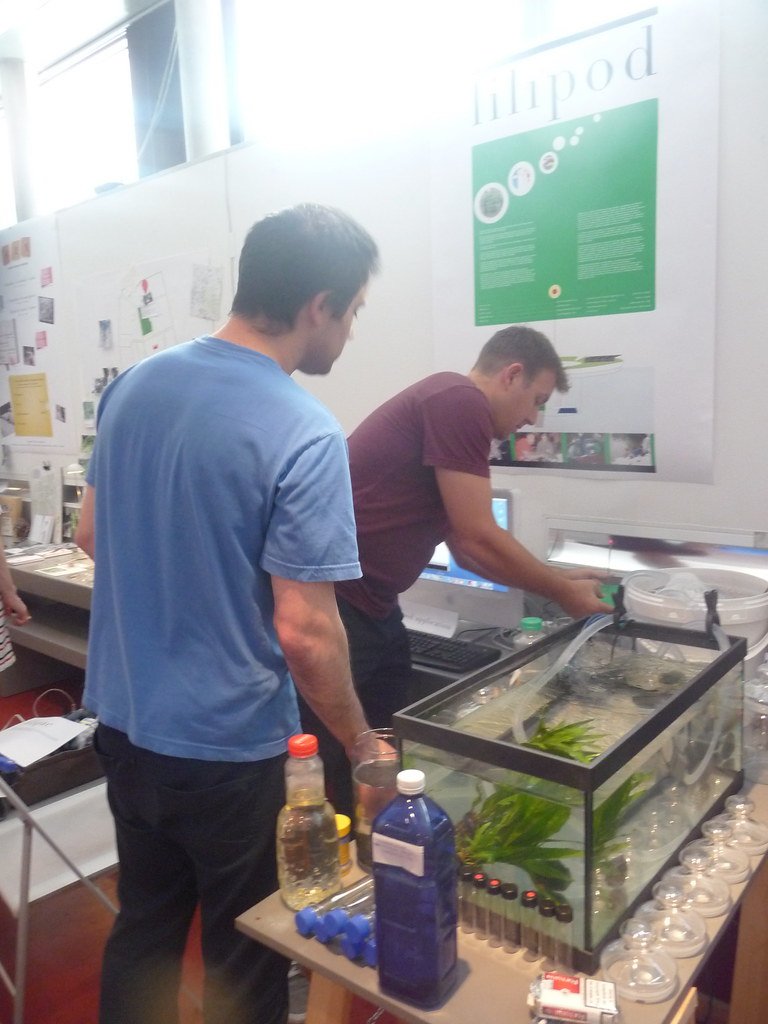
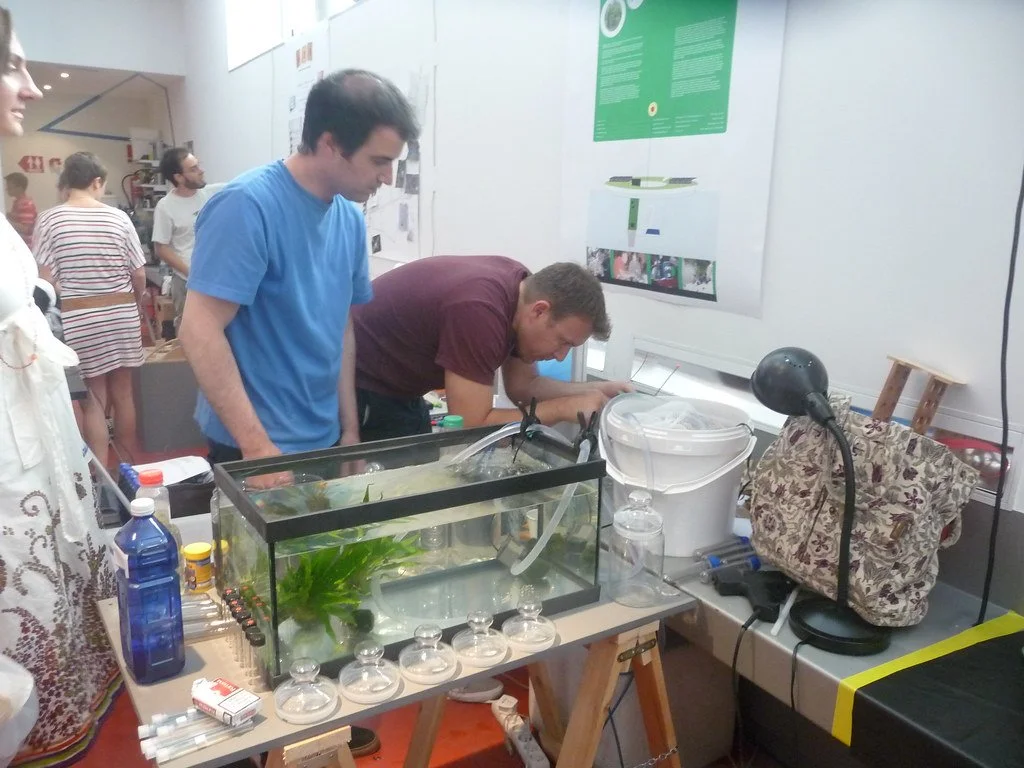
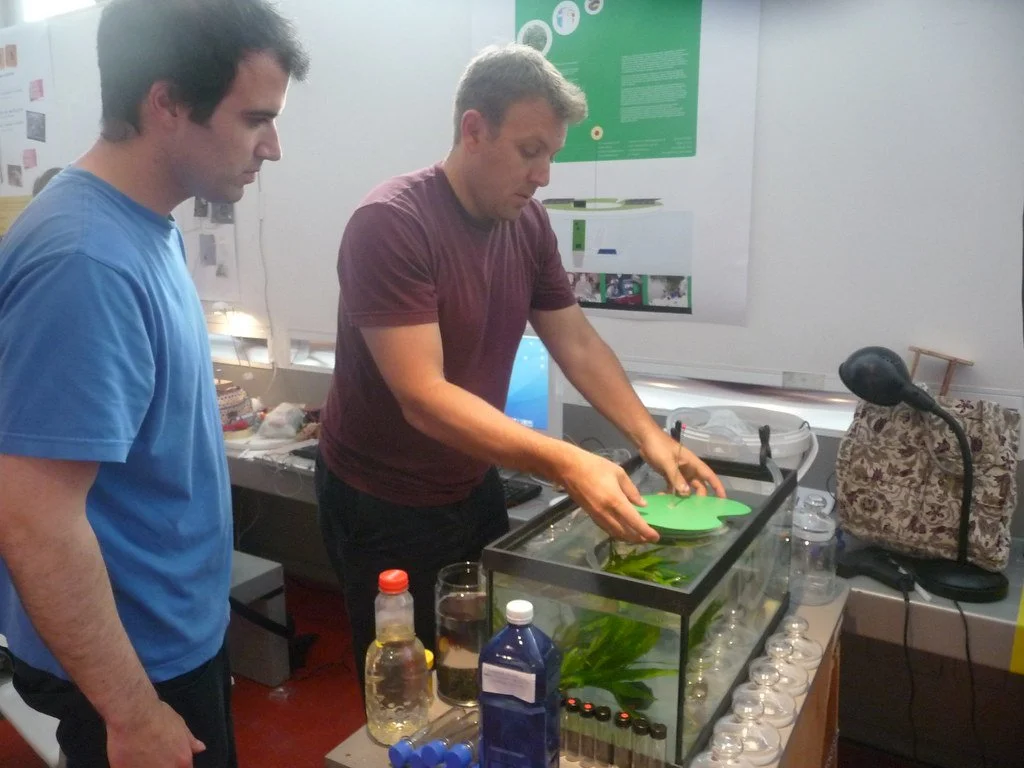
The initial concept and working prototypes were developed during the Interactivos?’10 workshop at Medialab Prado. These early iterations demonstrate the project’s potential to cultivate a distributed network of interactive devices that invite non-experts to engage with the science of water quality and ecological repair through hands-on experimentation and accessible technological interfaces.
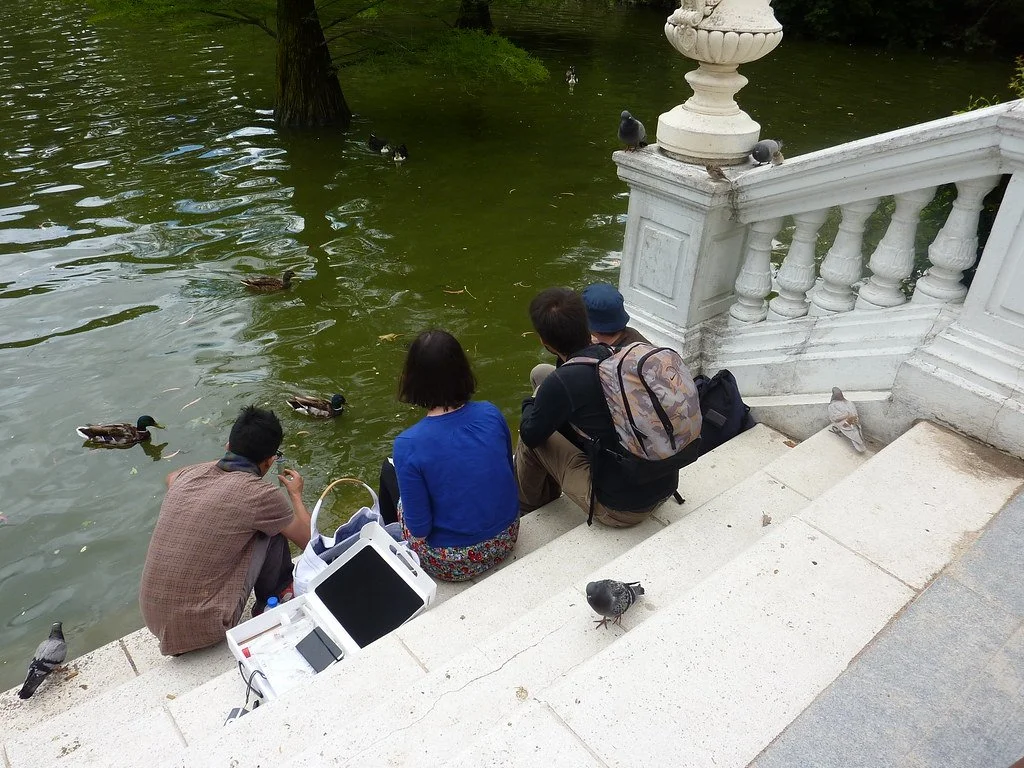
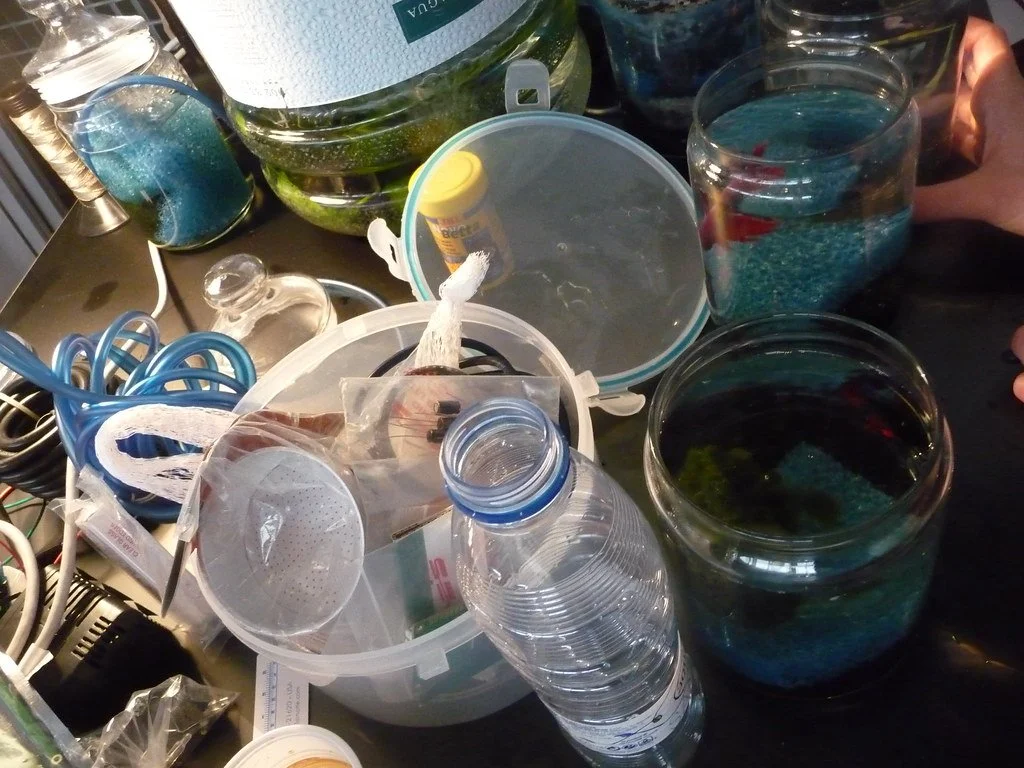
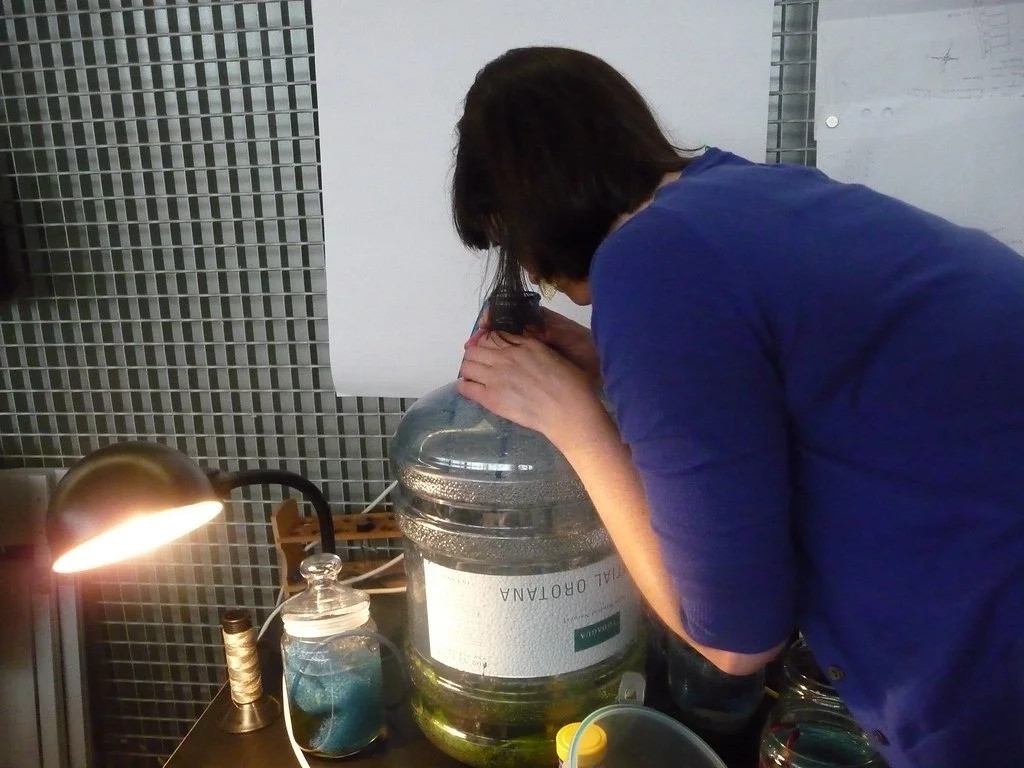
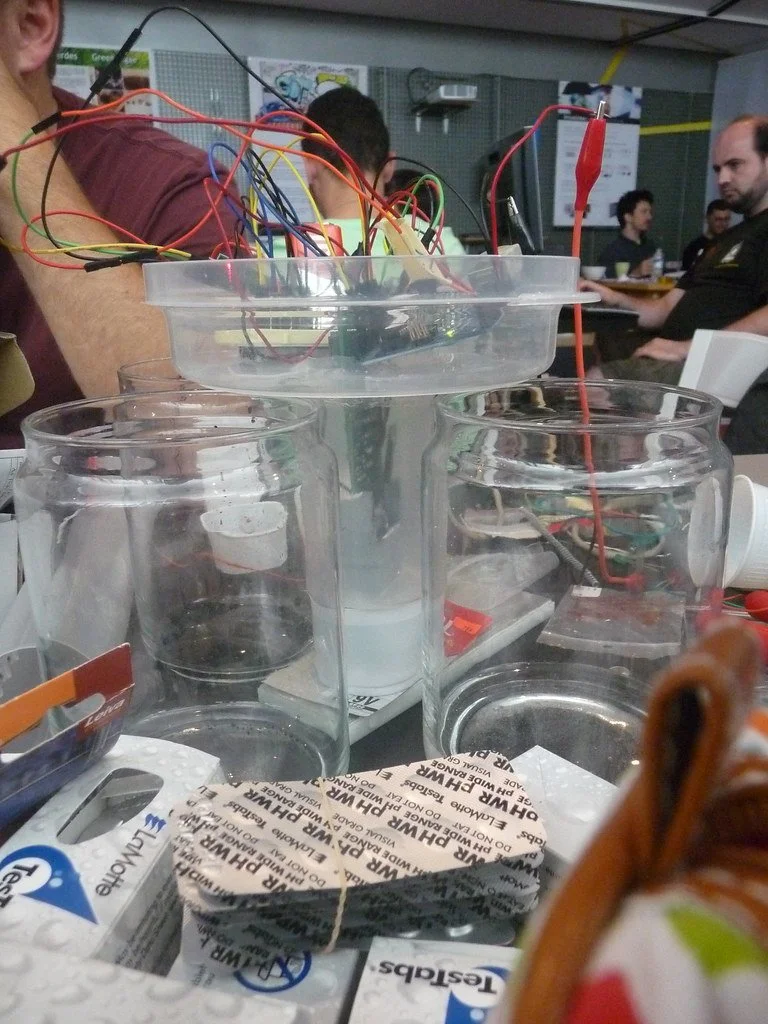
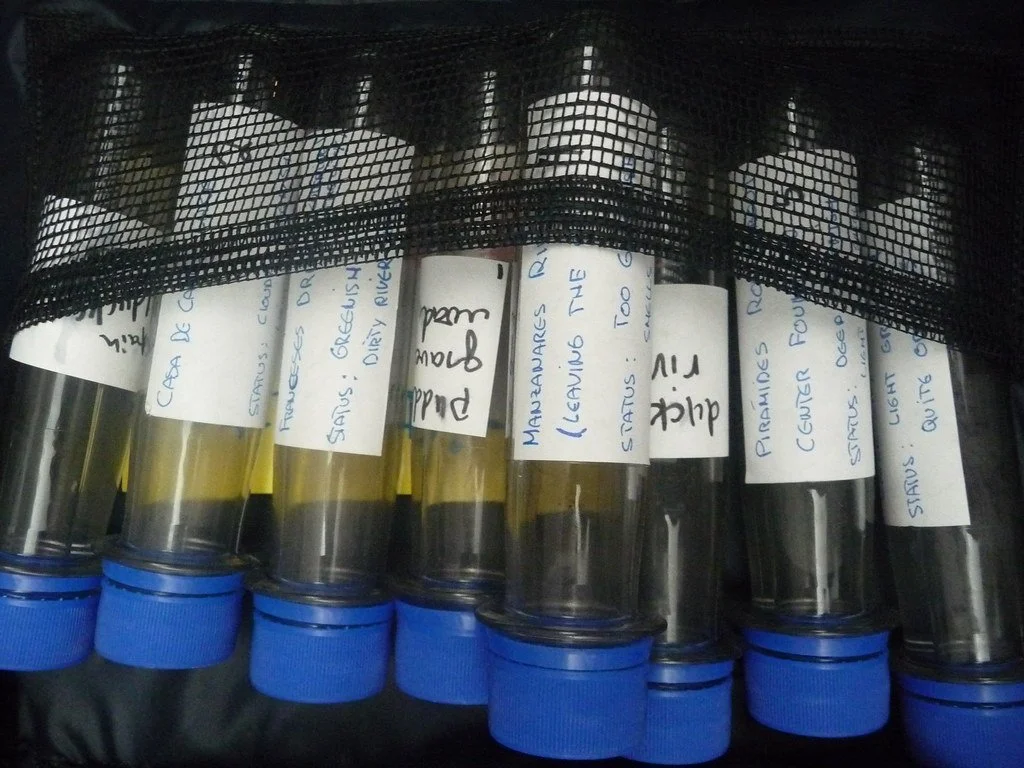
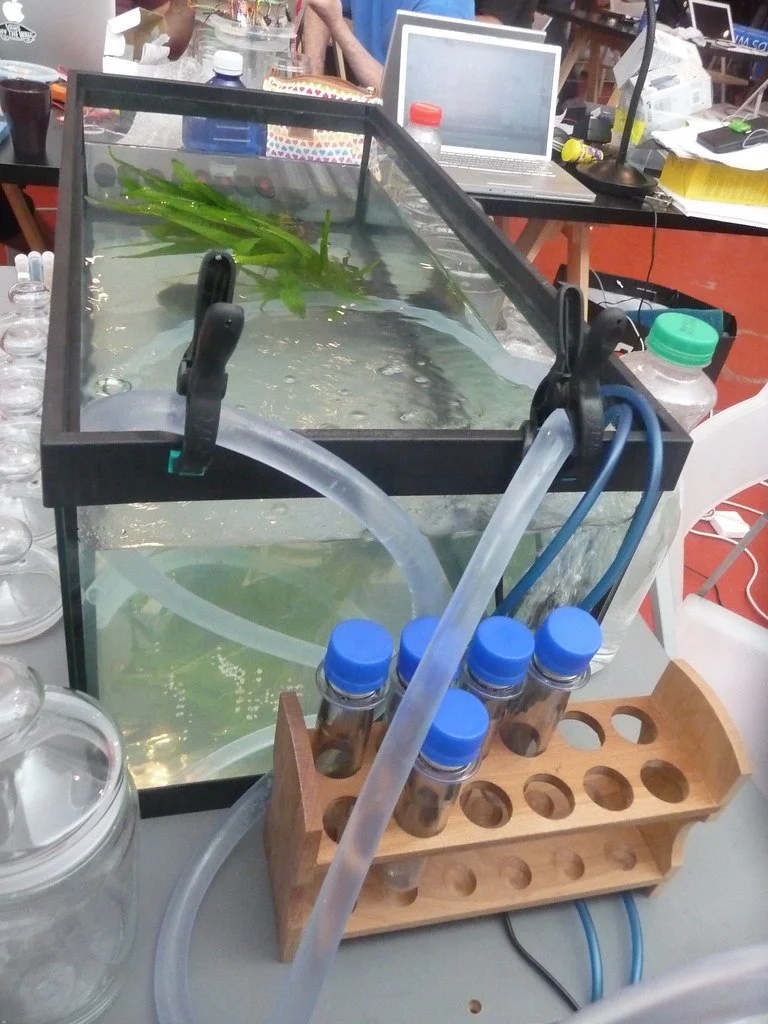
The project merges electronic data collection and visualization, ecological research, and community-based environmental activism. Its first phase involved collaborative fieldwork focused on locating, collecting, and mapping urban water sources. Water samples were processed in Medialab Prado’s wet lab and tested using a range of water-quality indicators, including pH, nitrates, biological oxygen demand (BOD), dissolved oxygen, coliform bacteria, and phosphates.
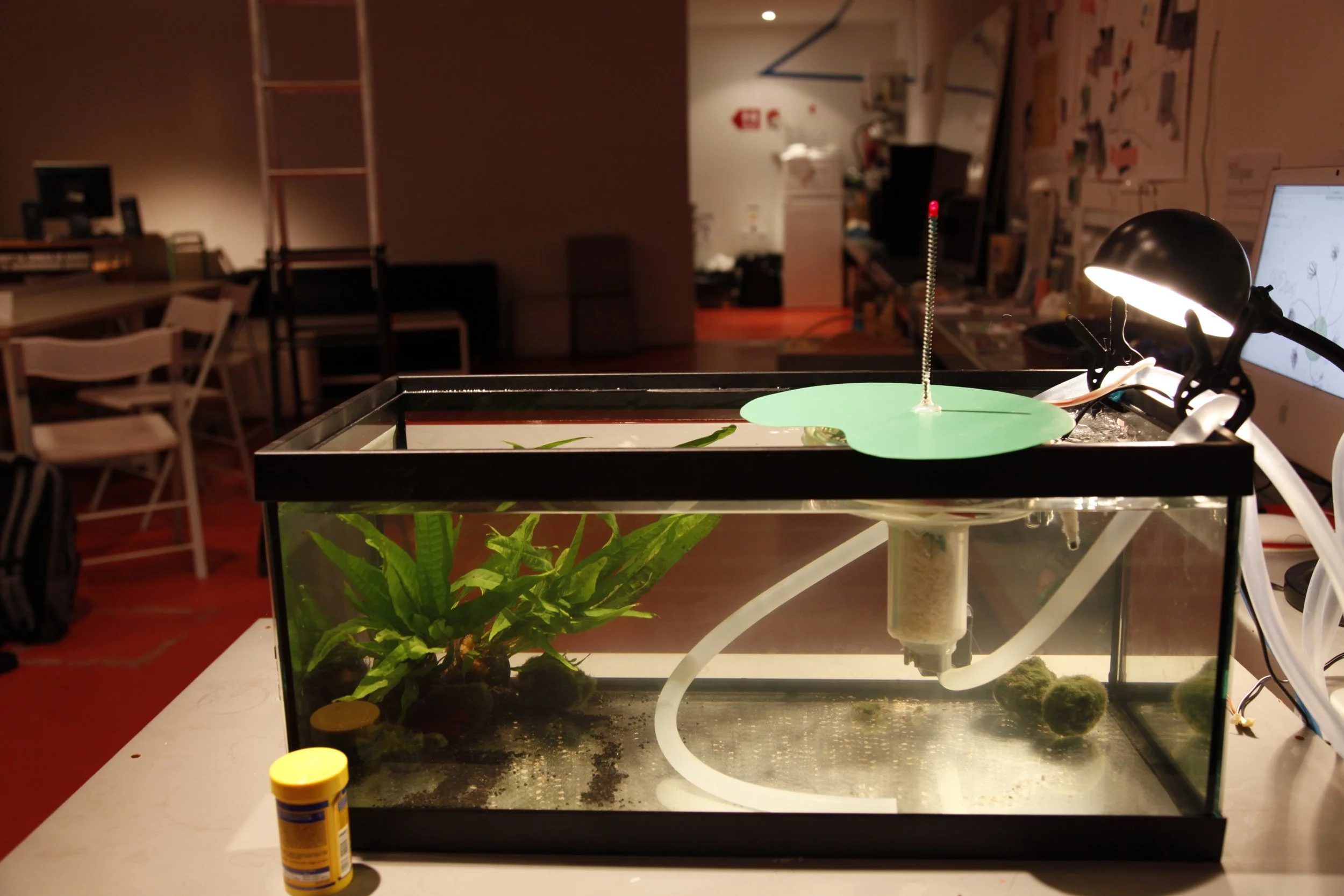
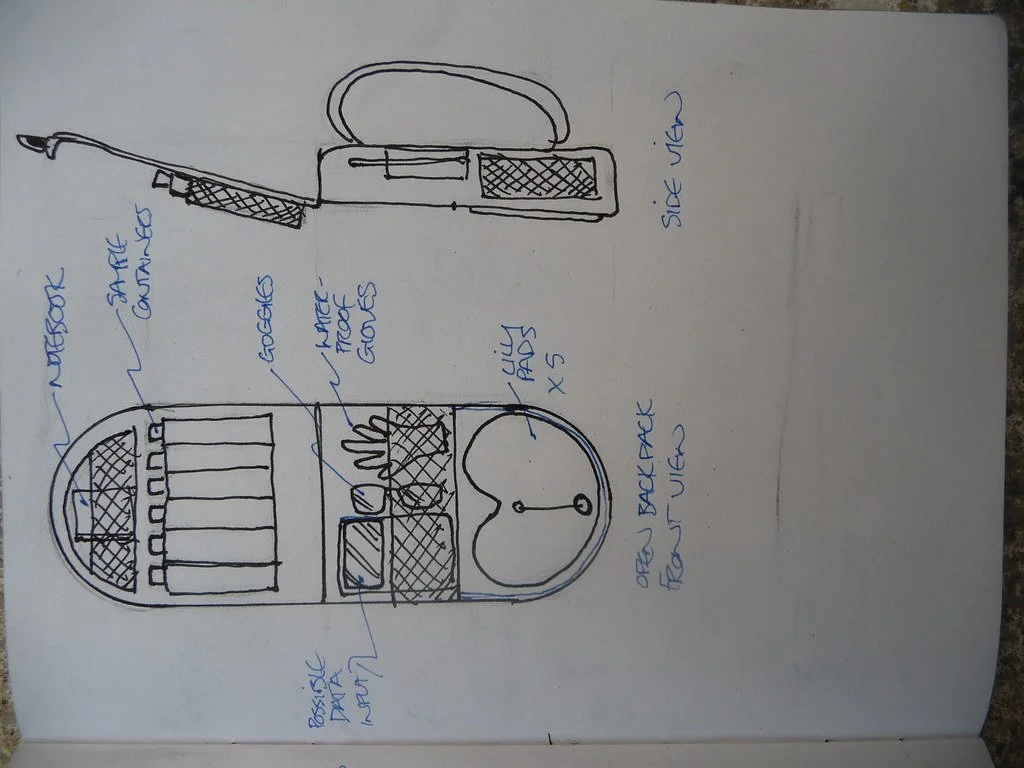
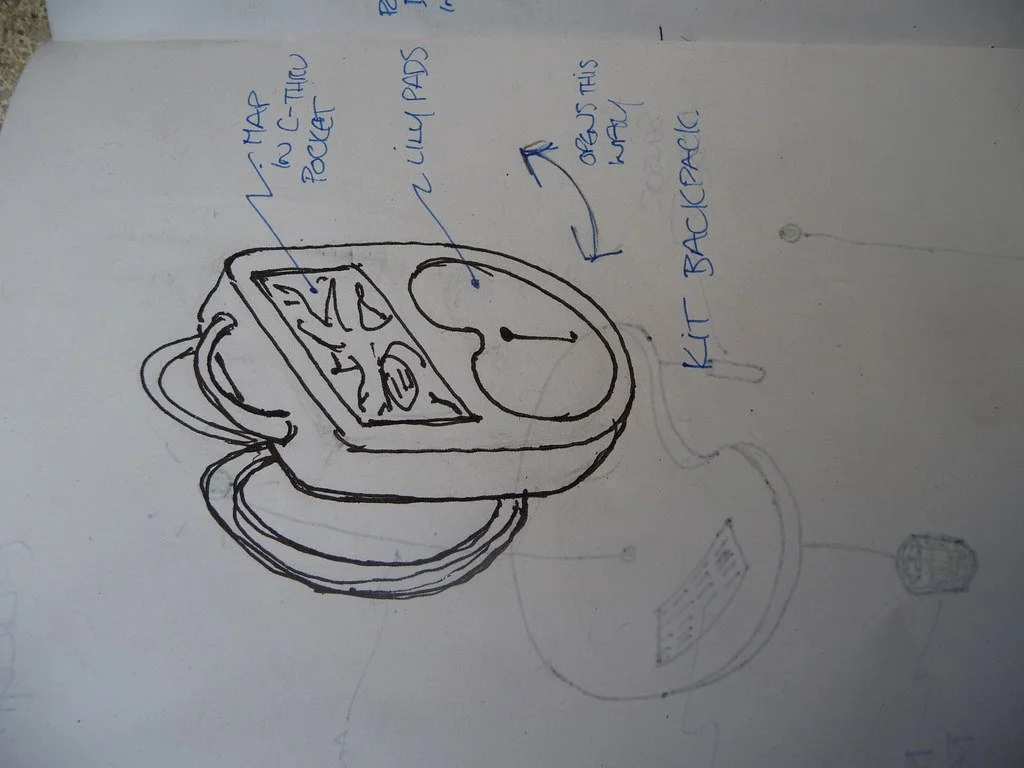
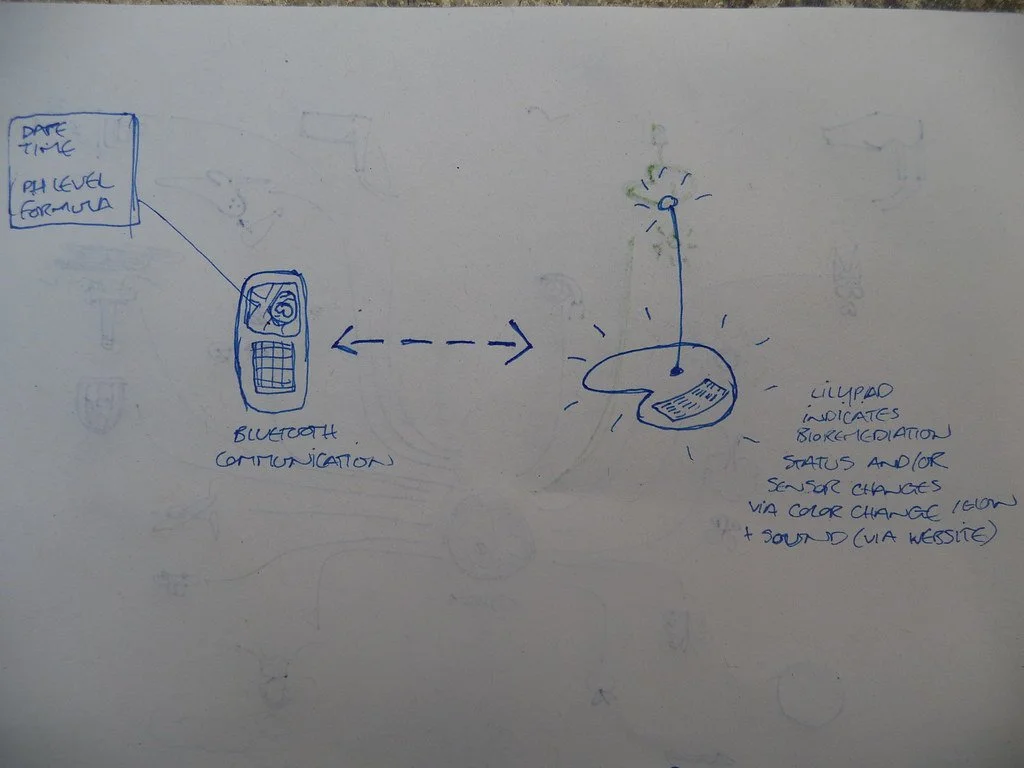
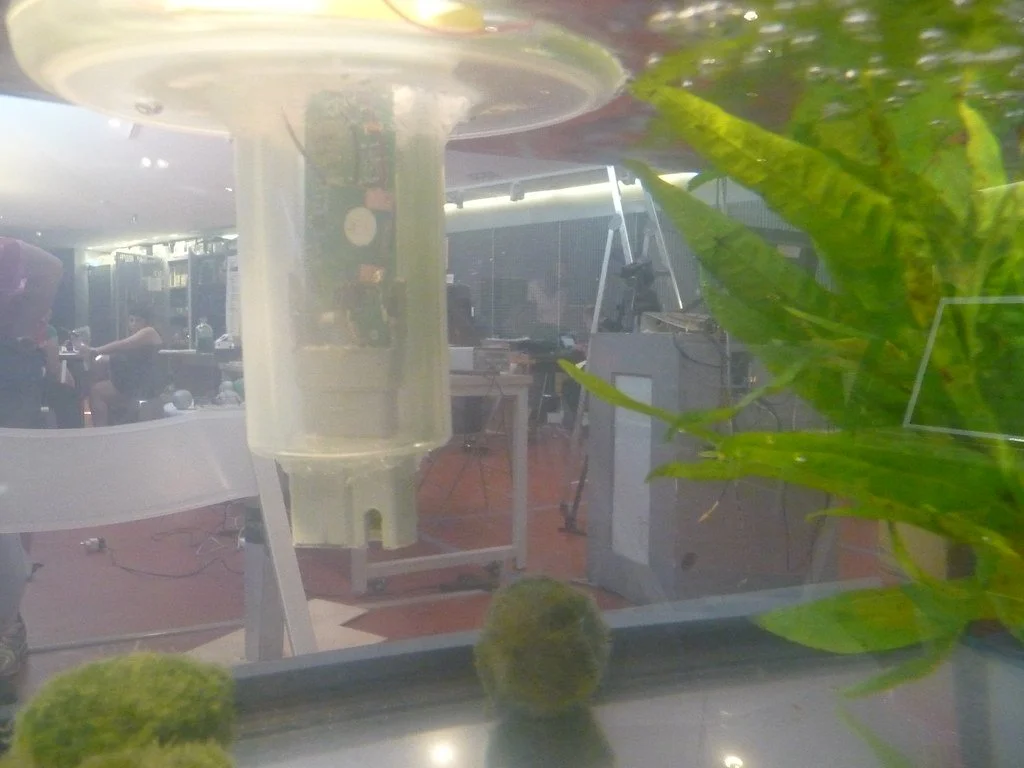
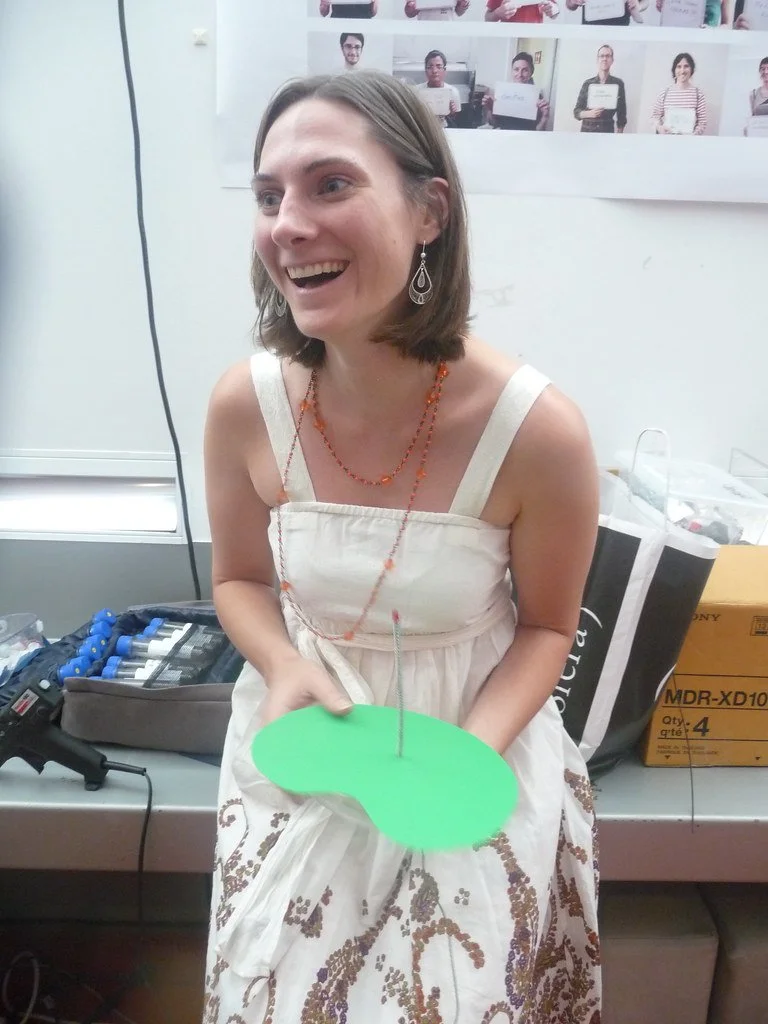
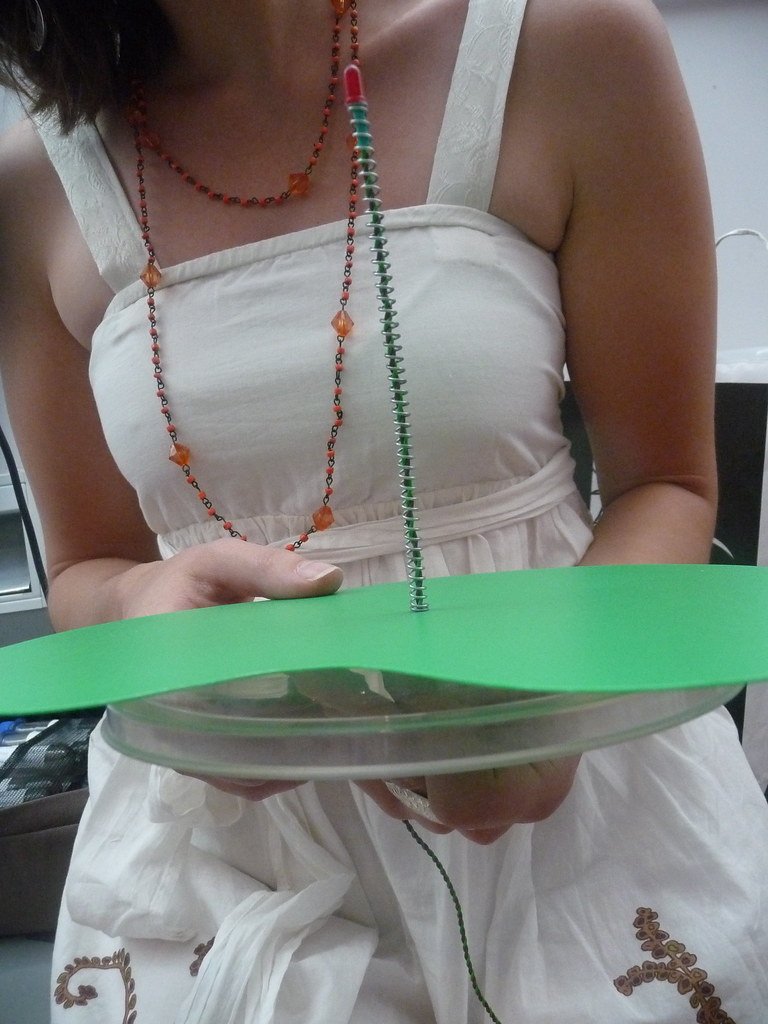
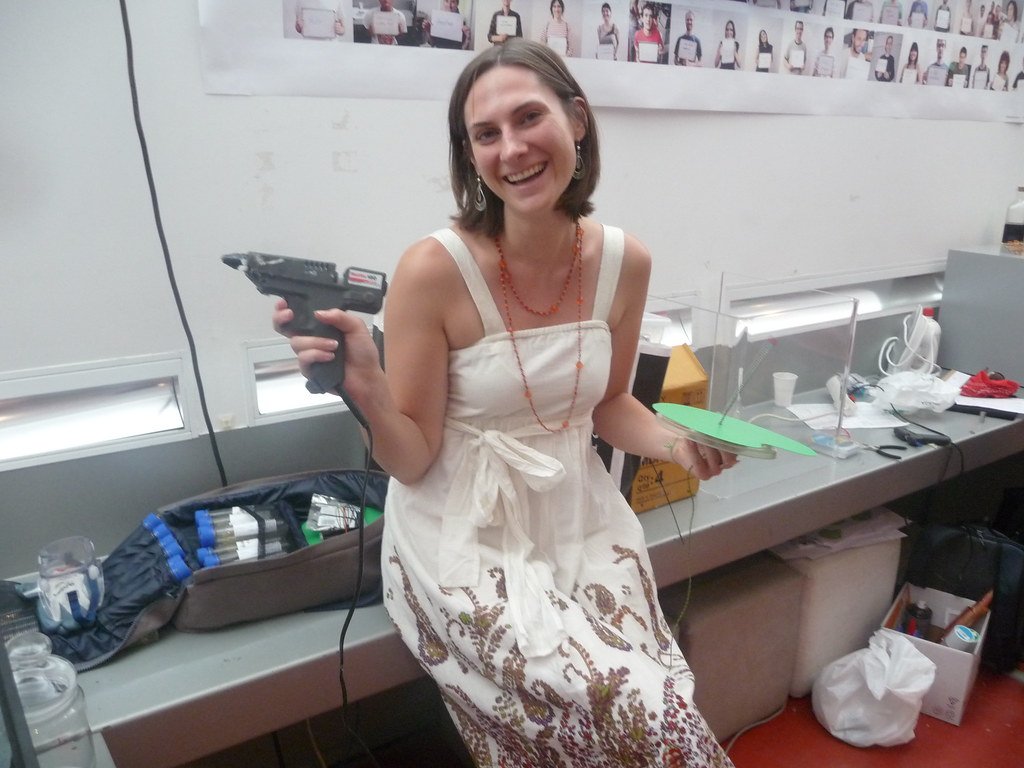
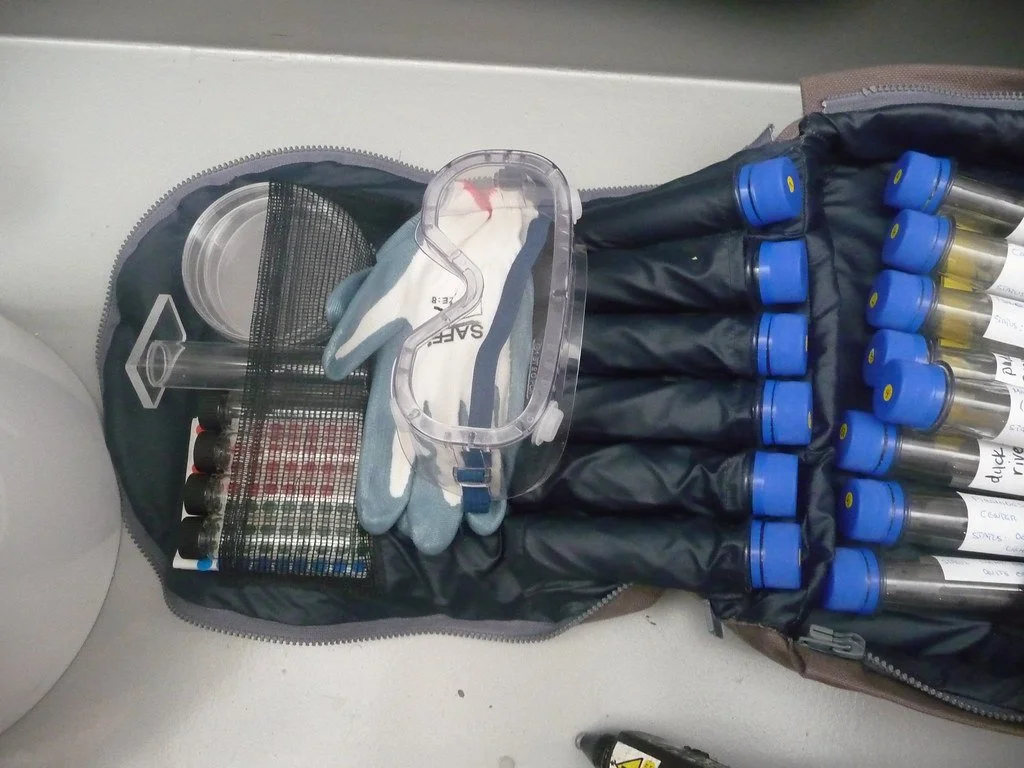
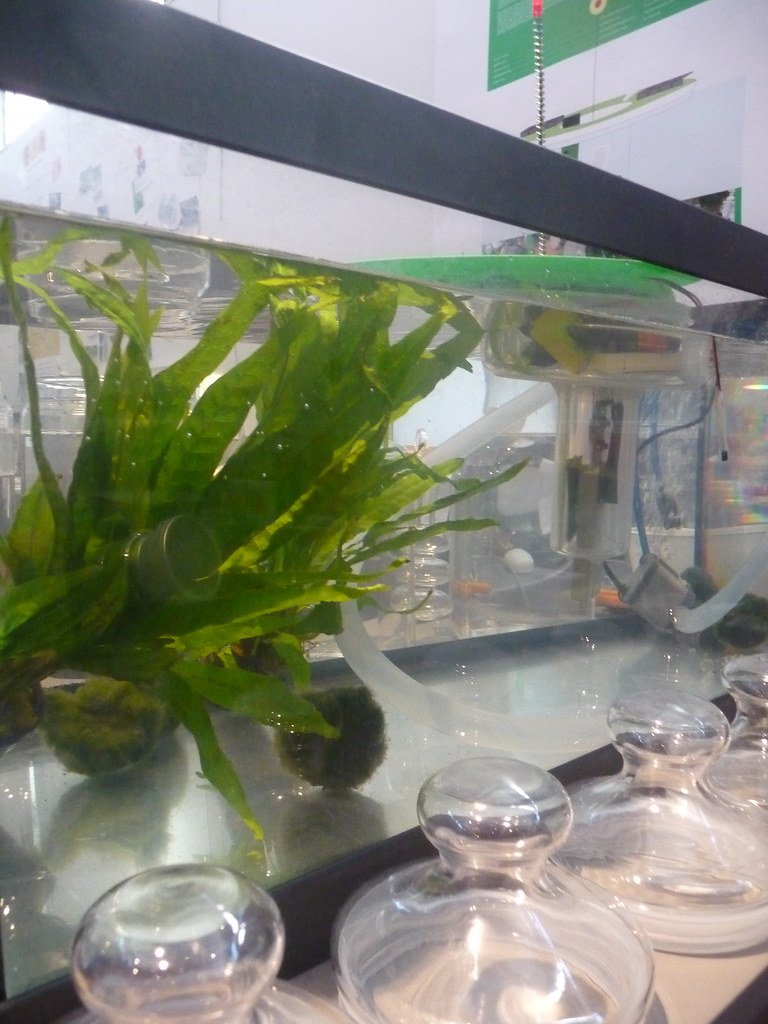
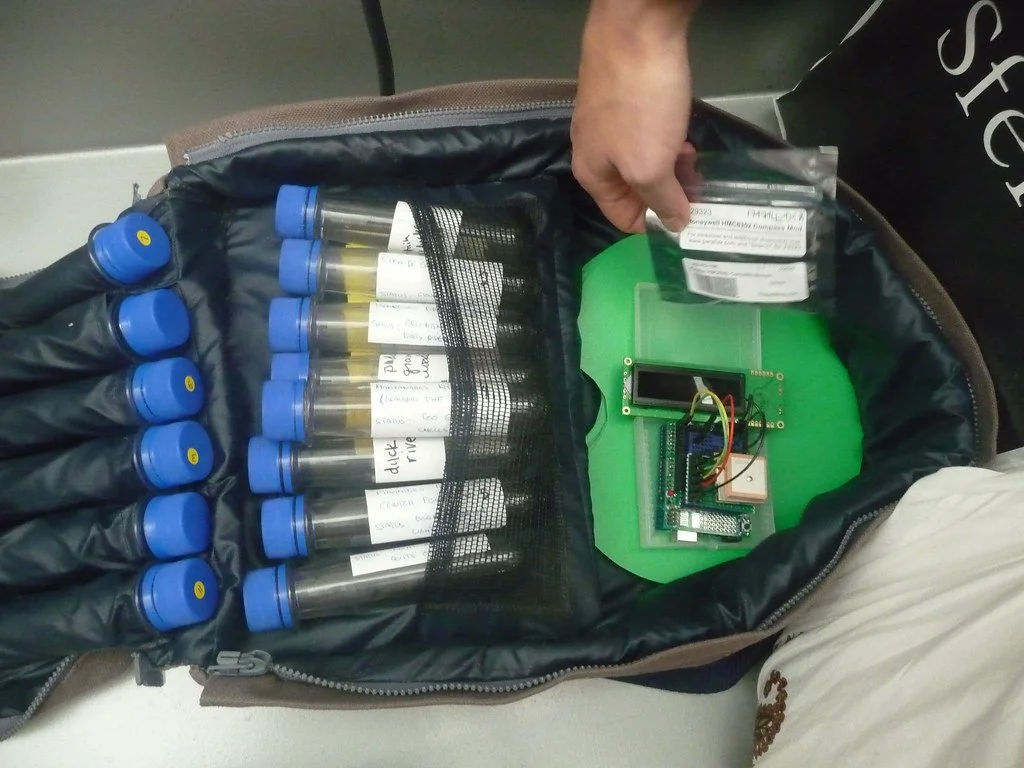
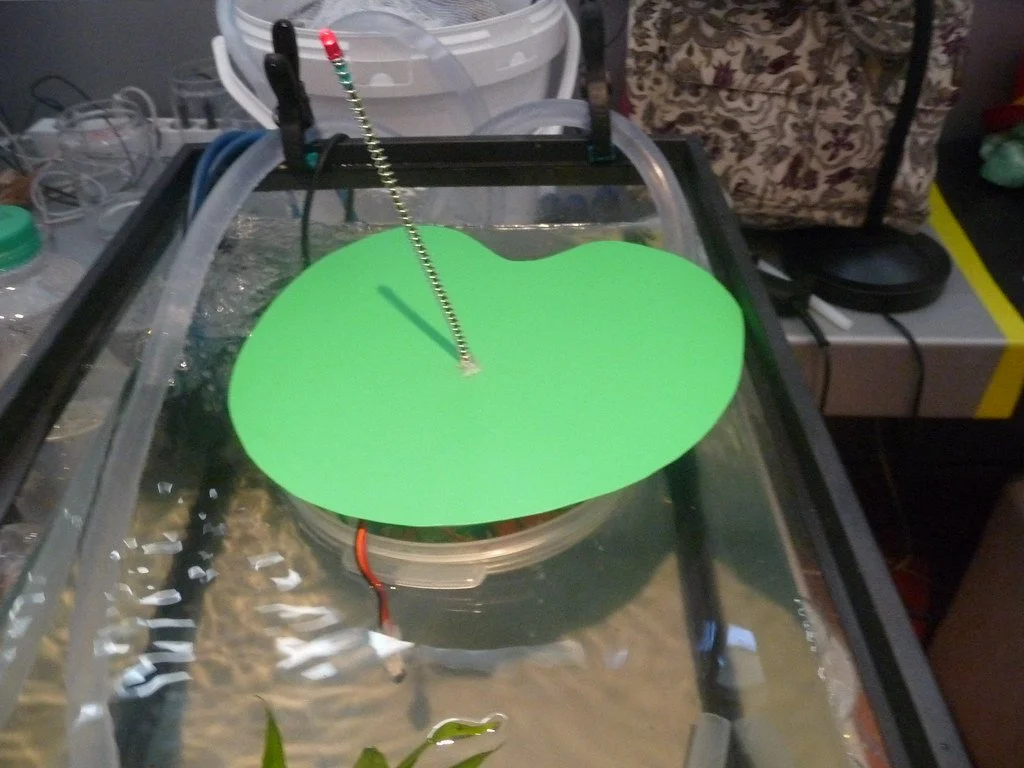
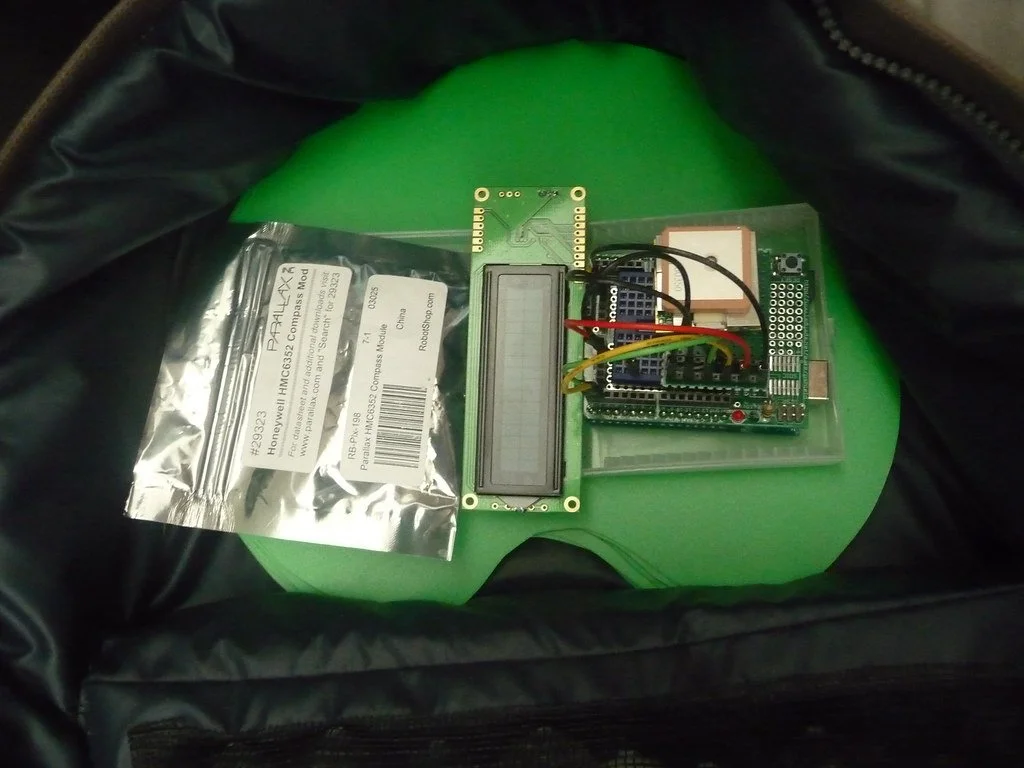
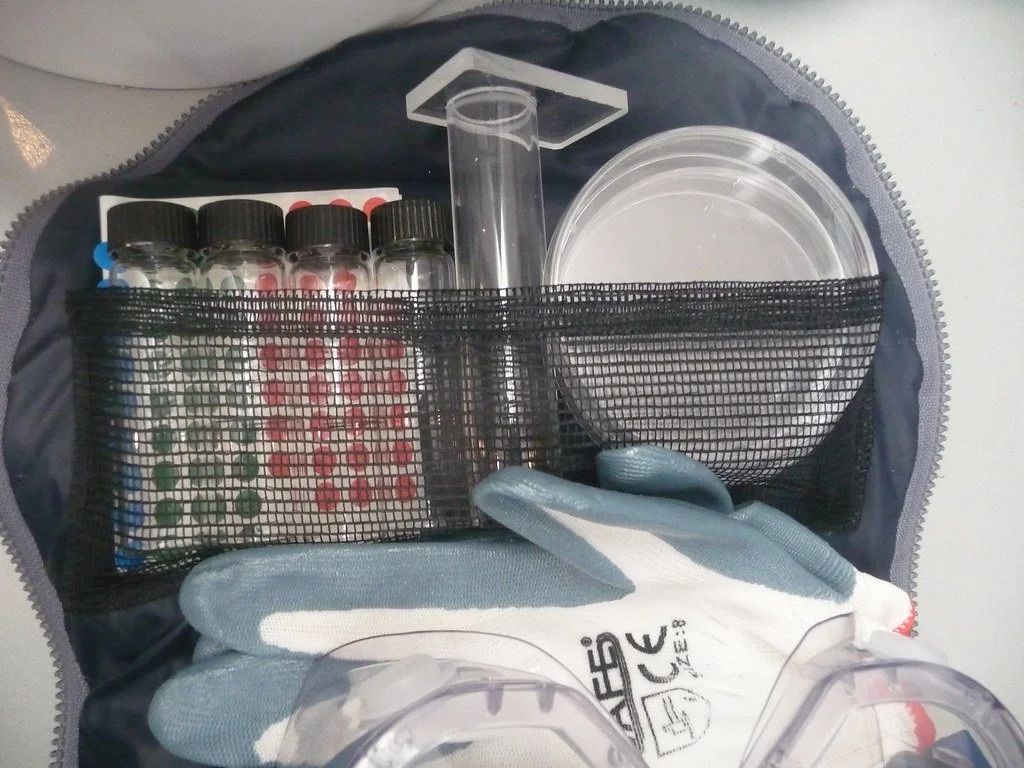
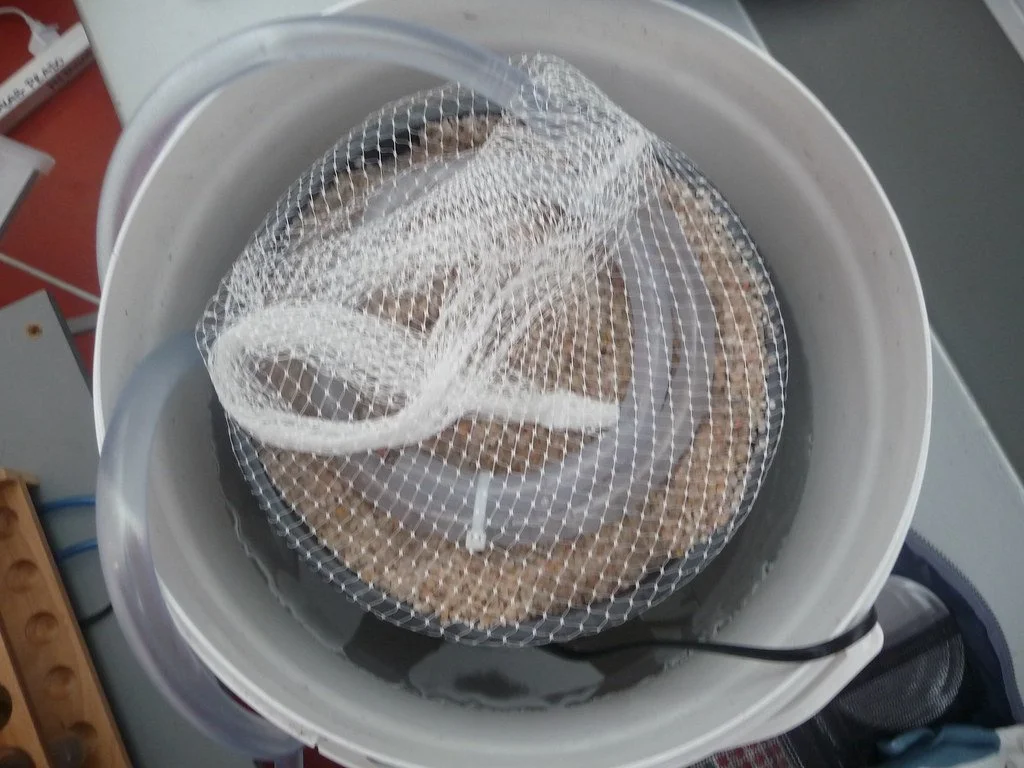
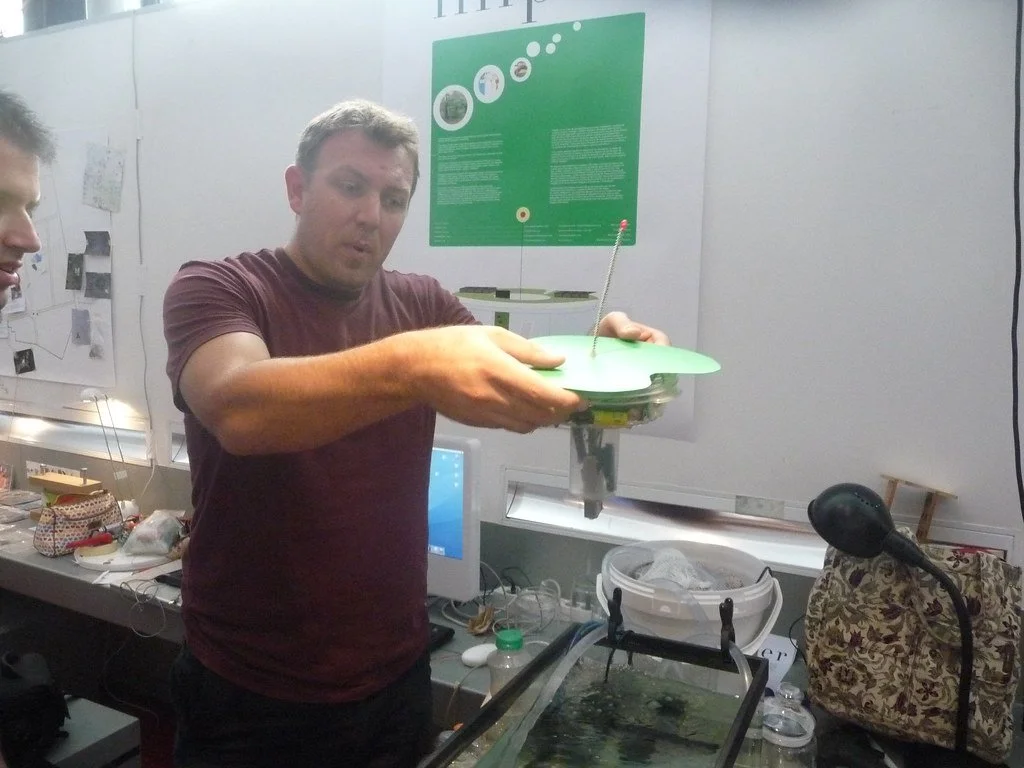
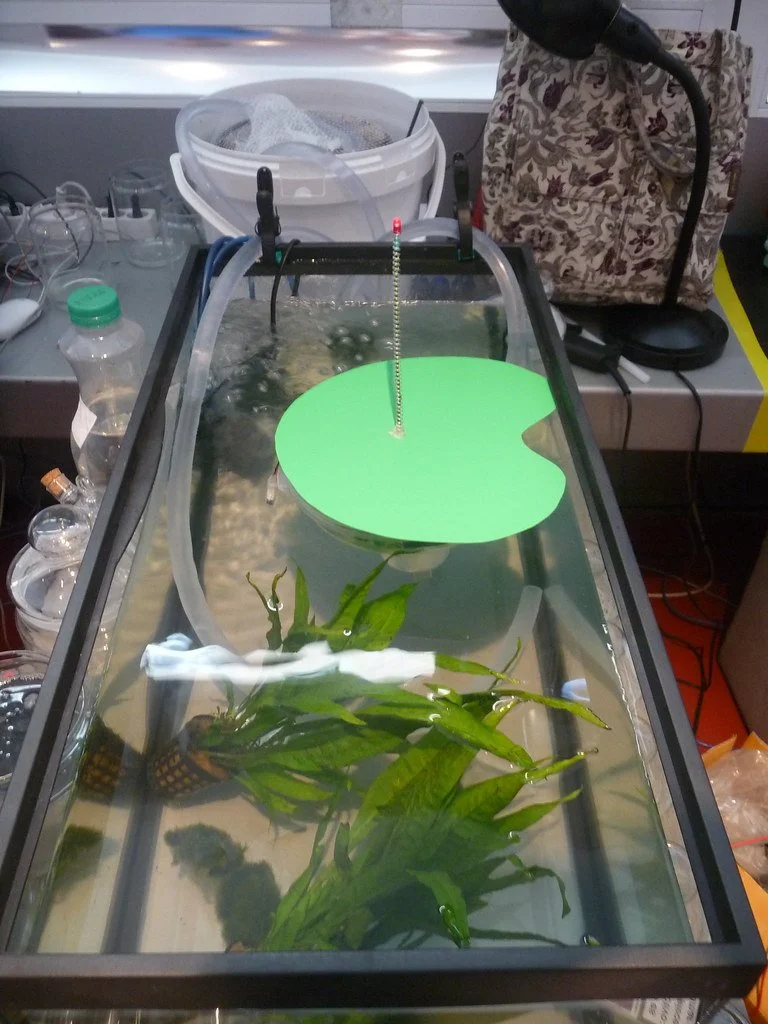
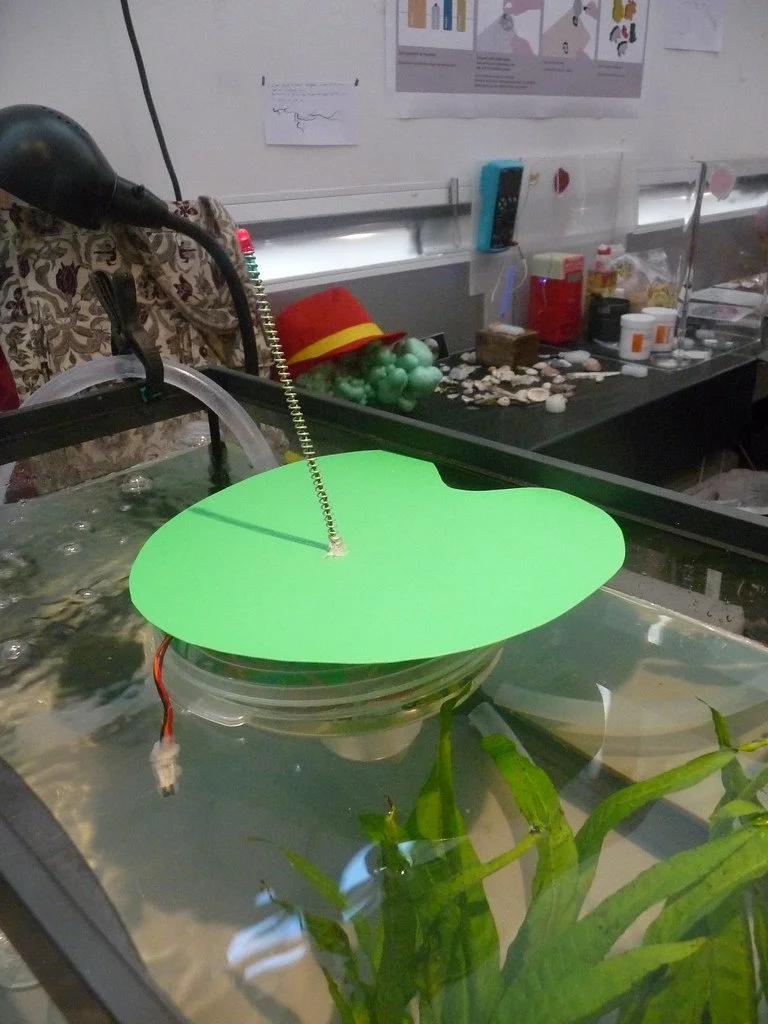
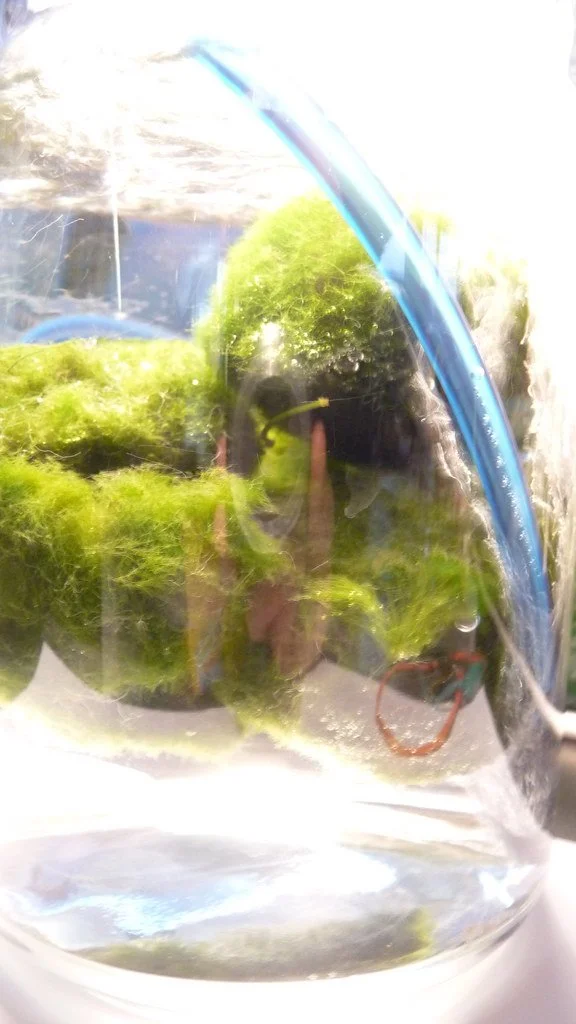
In the second phase, the team designed a portable “backpack laboratory,” or Lilipac, equipped for site analysis and GPS-based navigation. Once testing and documentation were complete, a Lilipod device was deployed at the site. The Lilipod is a floating, leaf-shaped environmental monitor embedded with custom sensors; the first prototype measured pH, temperature, and duration of deployment, allowing for temporal tracking of environmental conditions.
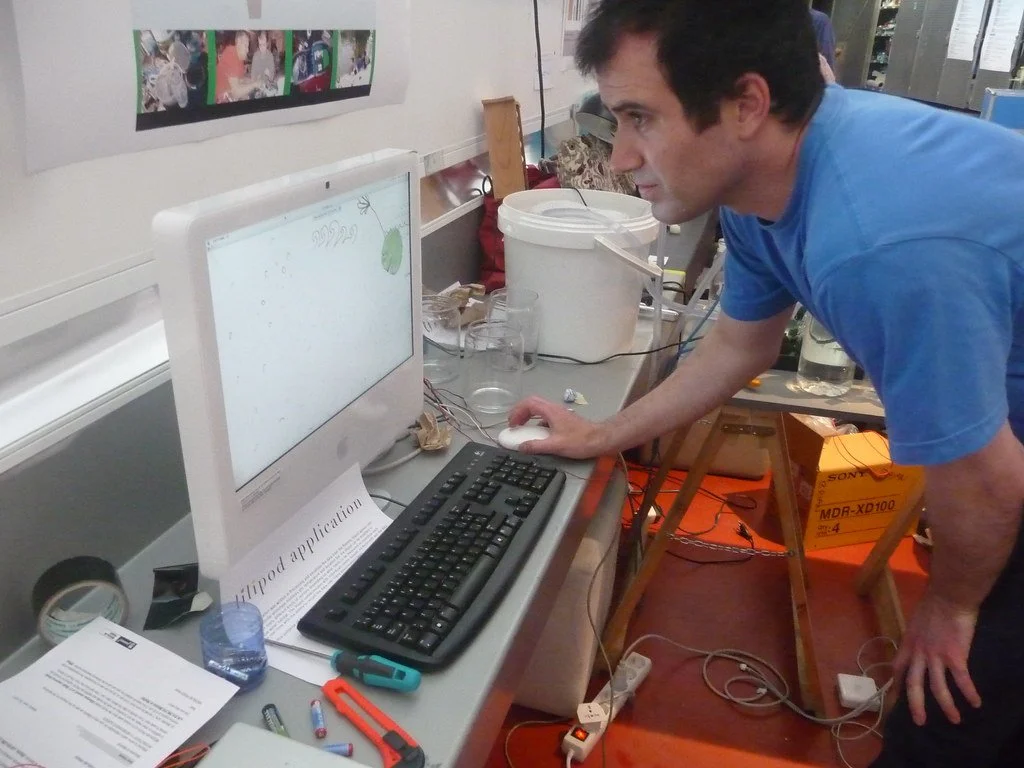
Central to the project was the goal of designing a device that was easy to build, modify, and use, supporting long-term, localized monitoring of bioremediation processes. Data collected by the Lilipod was transmitted wirelessly via Bluetooth to shore-based participants. A third phase of the project envisioned a mobile application (developed in Processing) to receive, visualize, and interpret sensor data in real time.
The final speculative layer of Lilipod proposed an online platform functioning as a shared repository: mapping remediation sites, archiving data logs, and facilitating the exchange of techniques and knowledge related to DIY bioremediation. Together, these components position Lilipod as an open, ecological toolkit; one that treats environmental monitoring not as an extractive scientific act, but as a collective, situated, and ethical practice.