
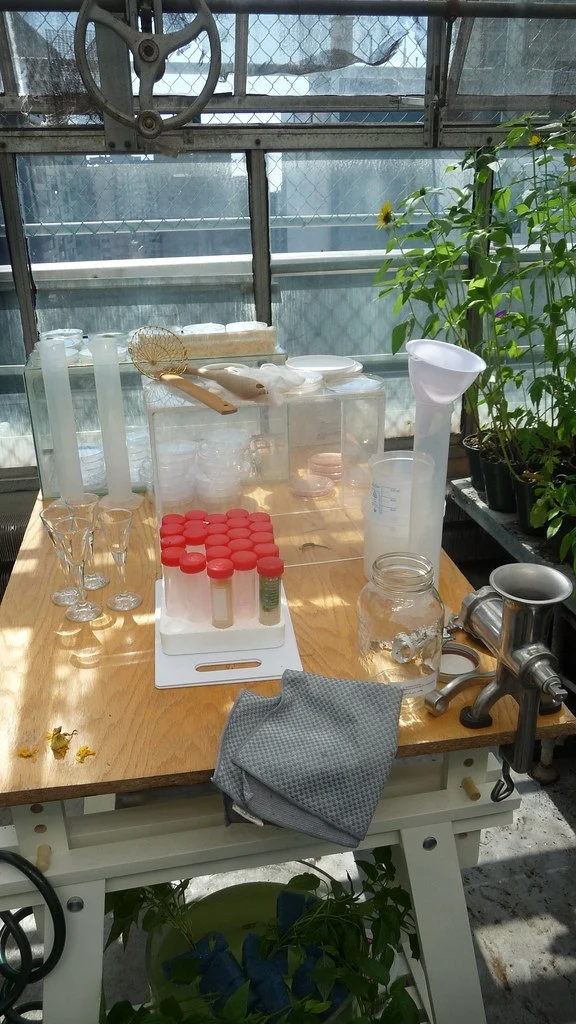
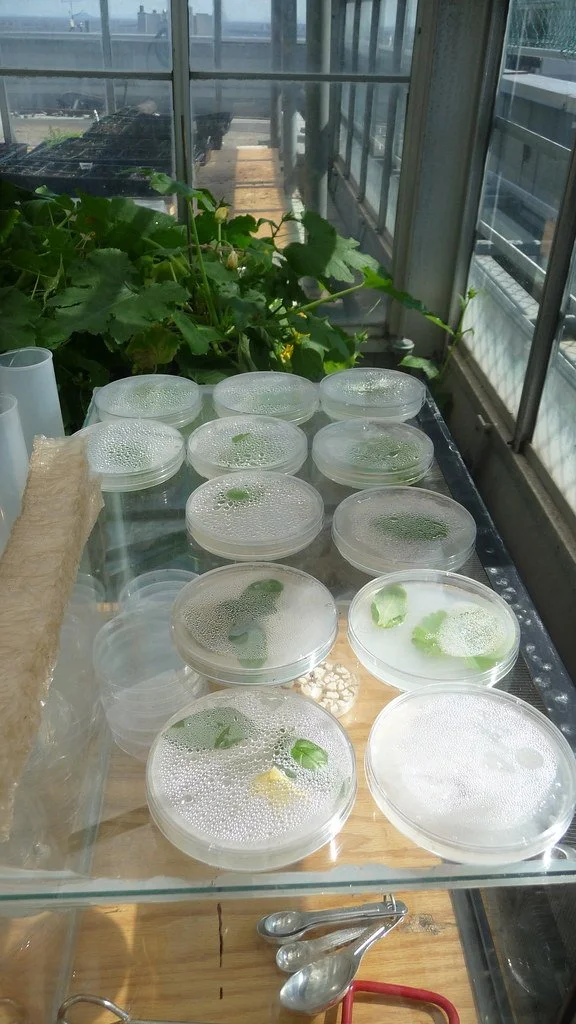
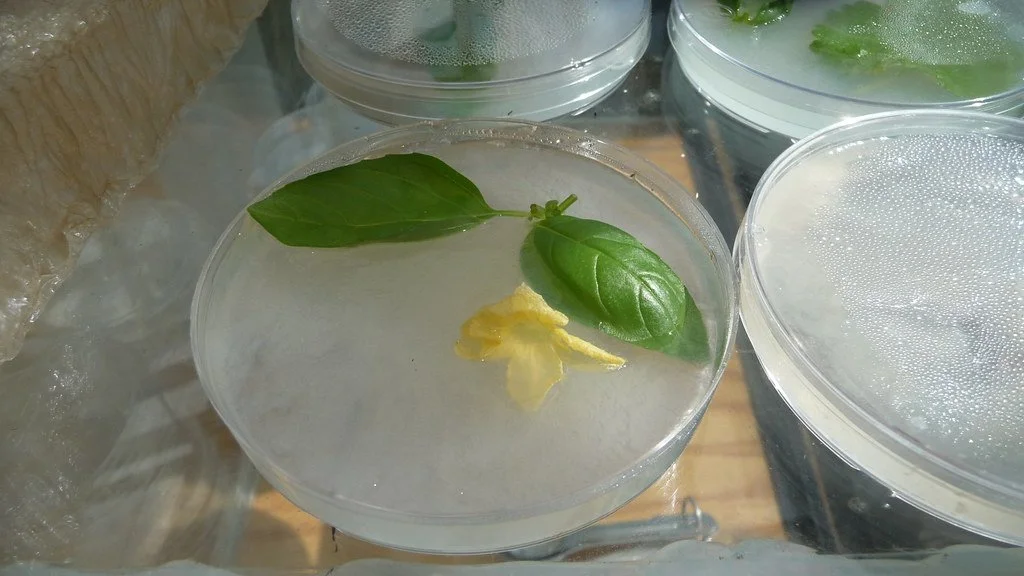
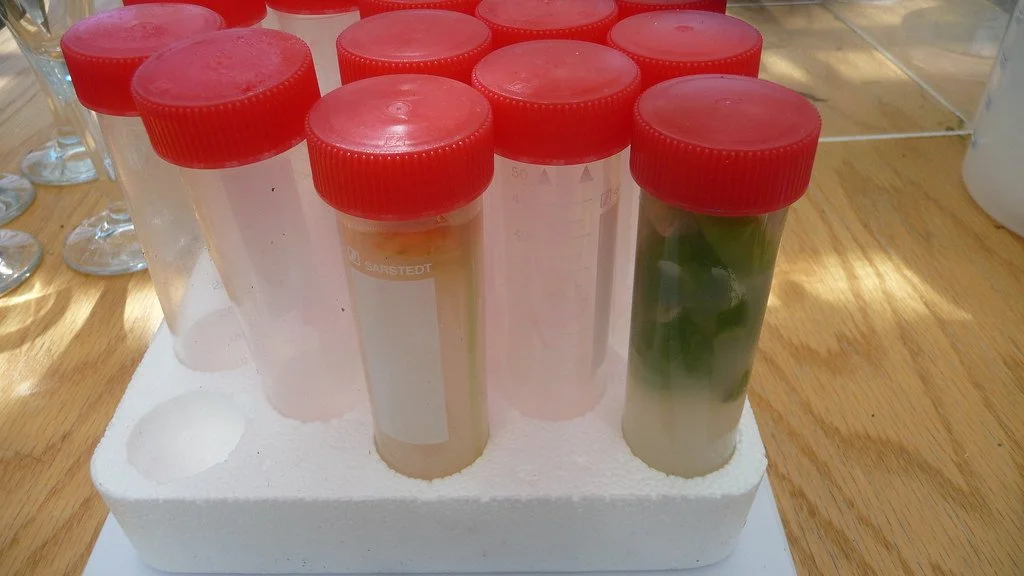
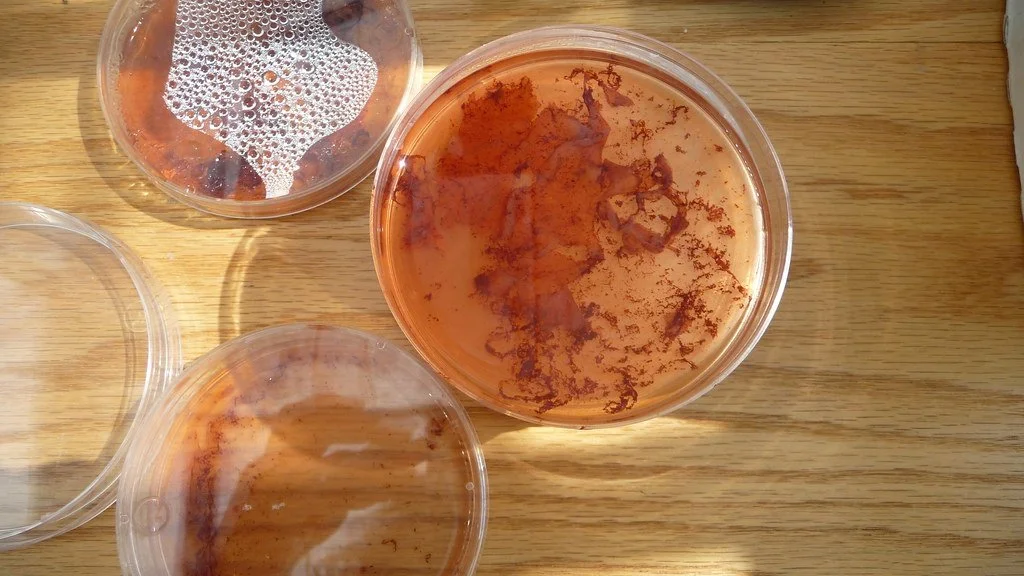
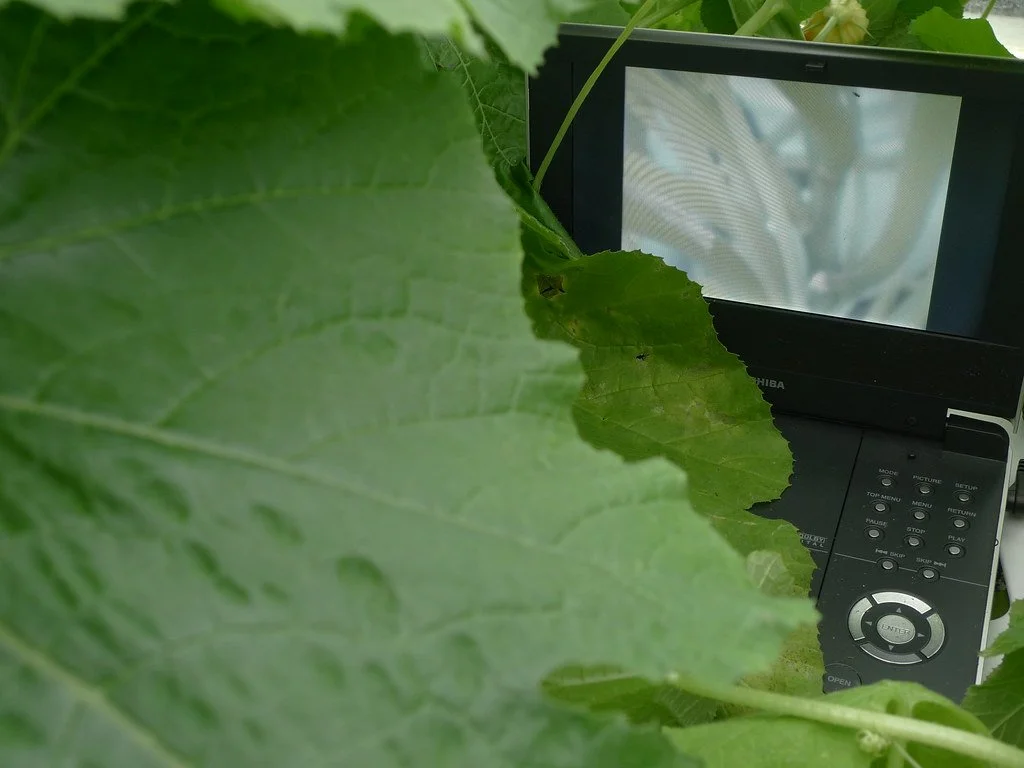
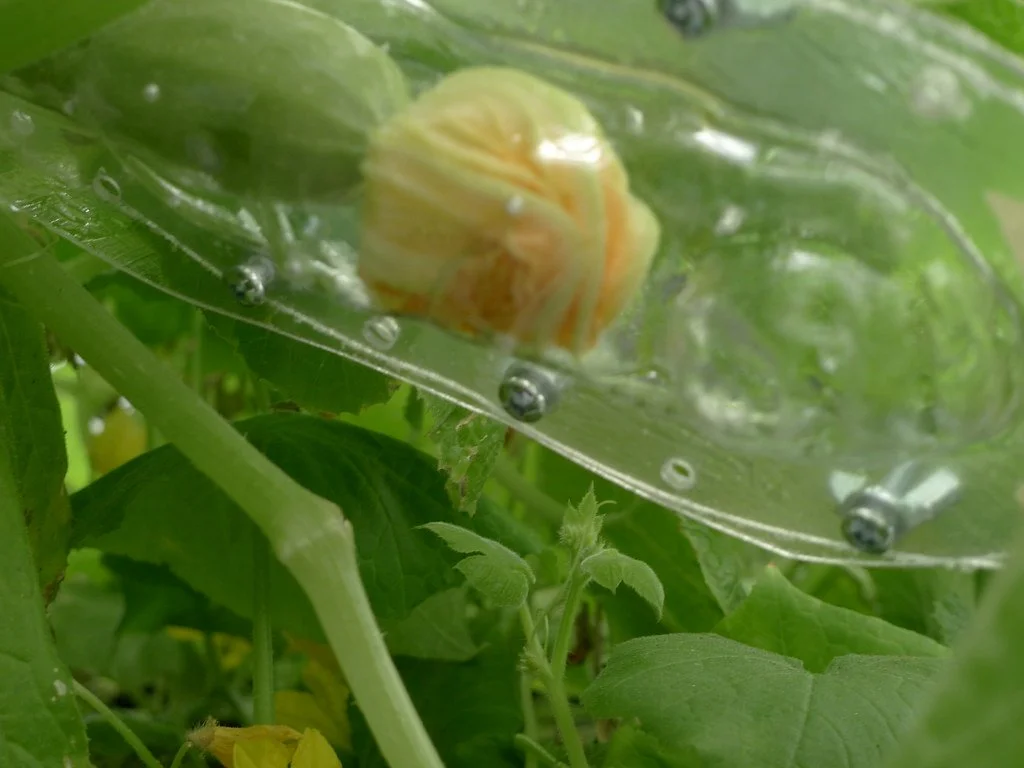
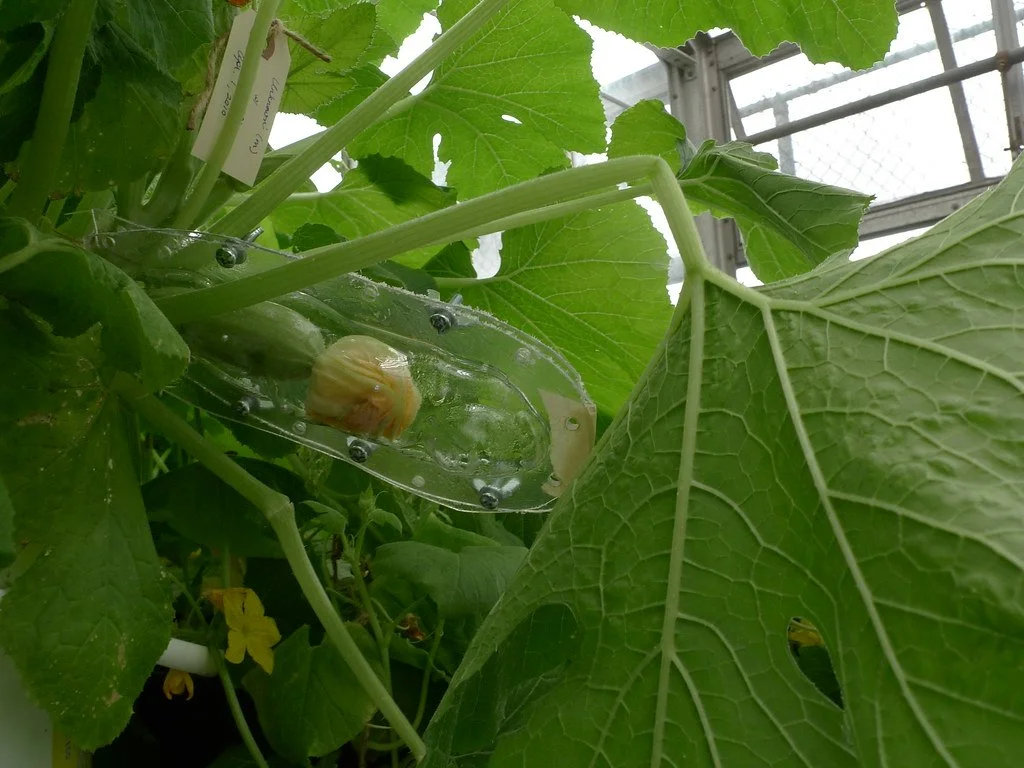
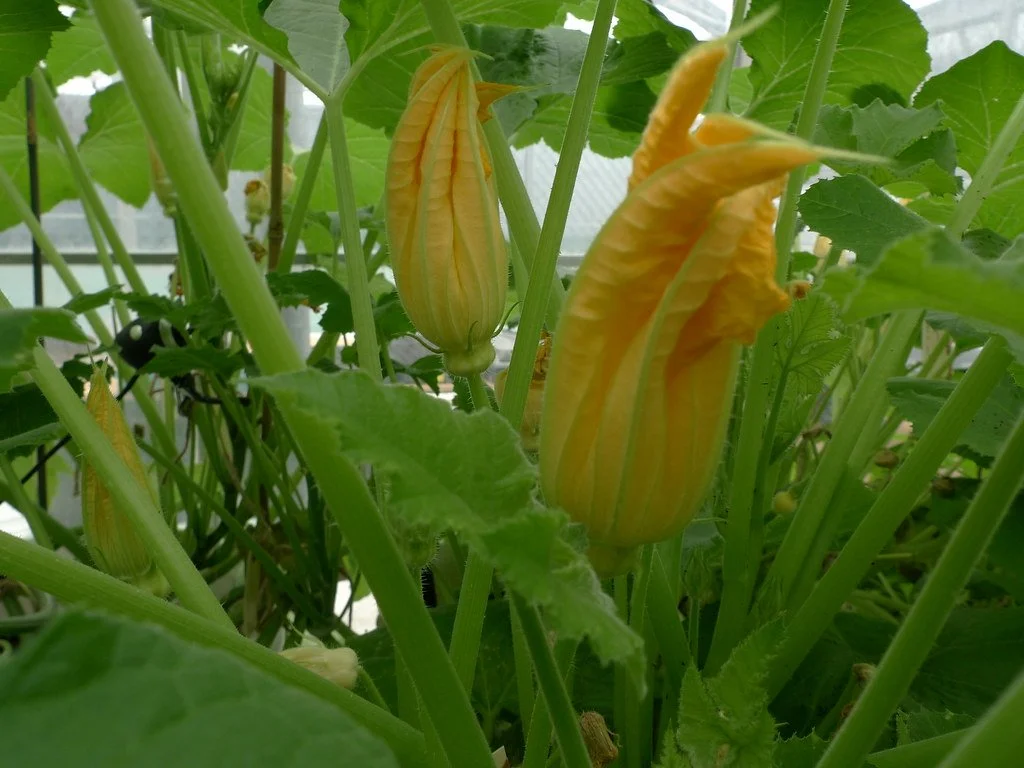
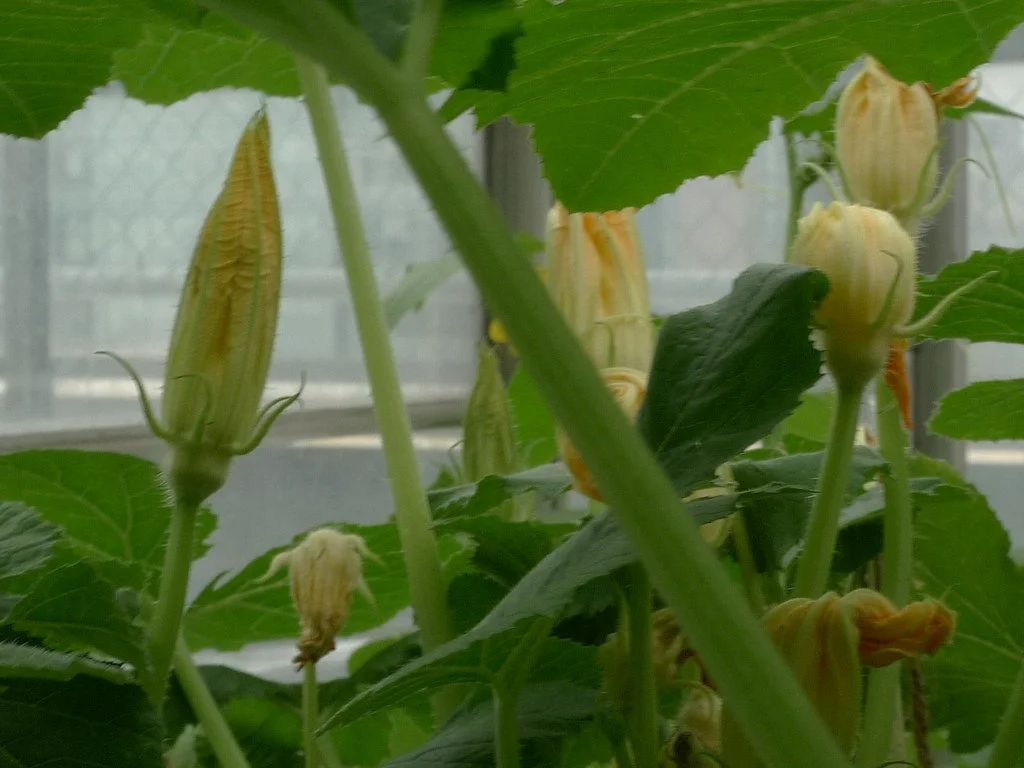
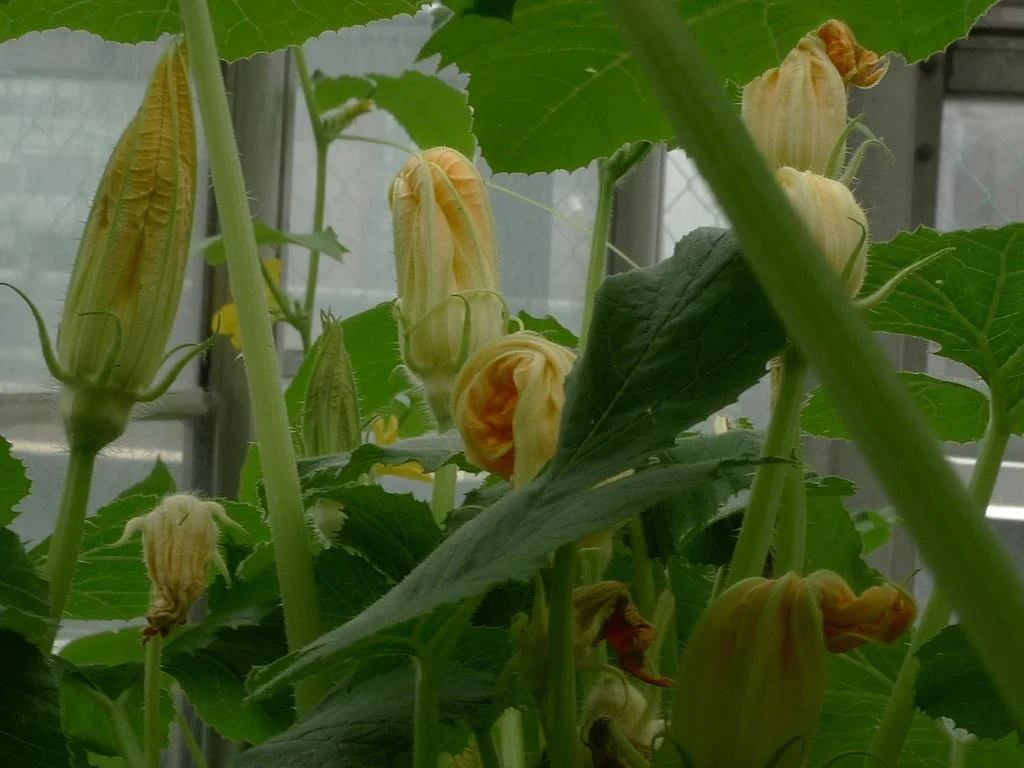
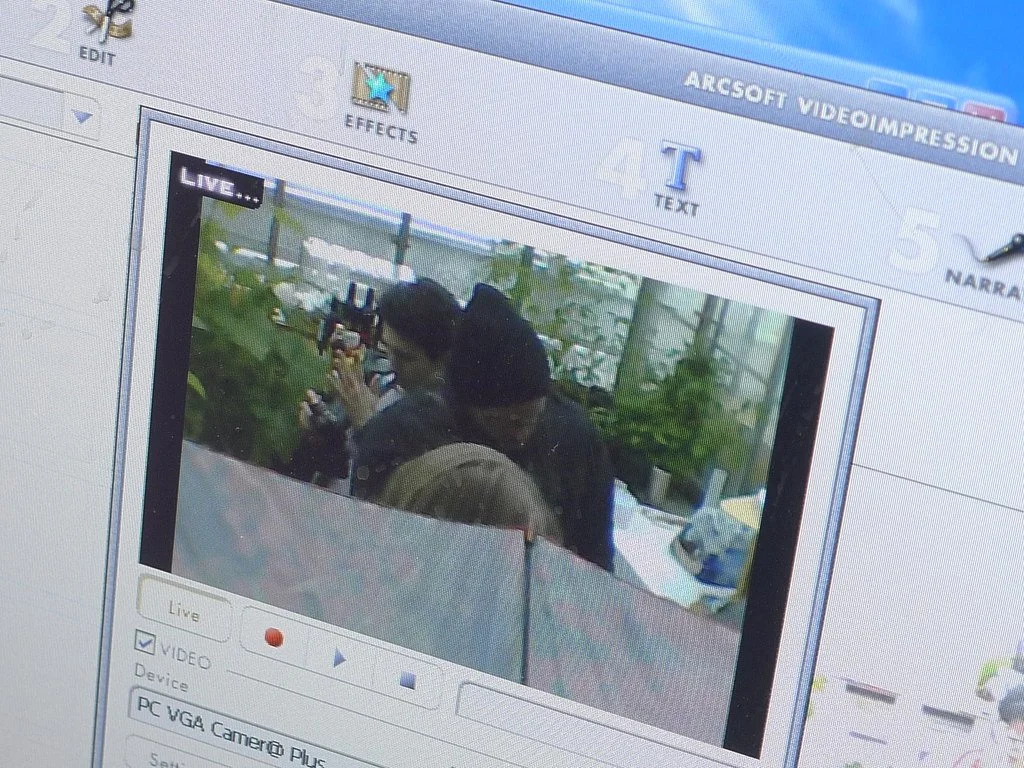
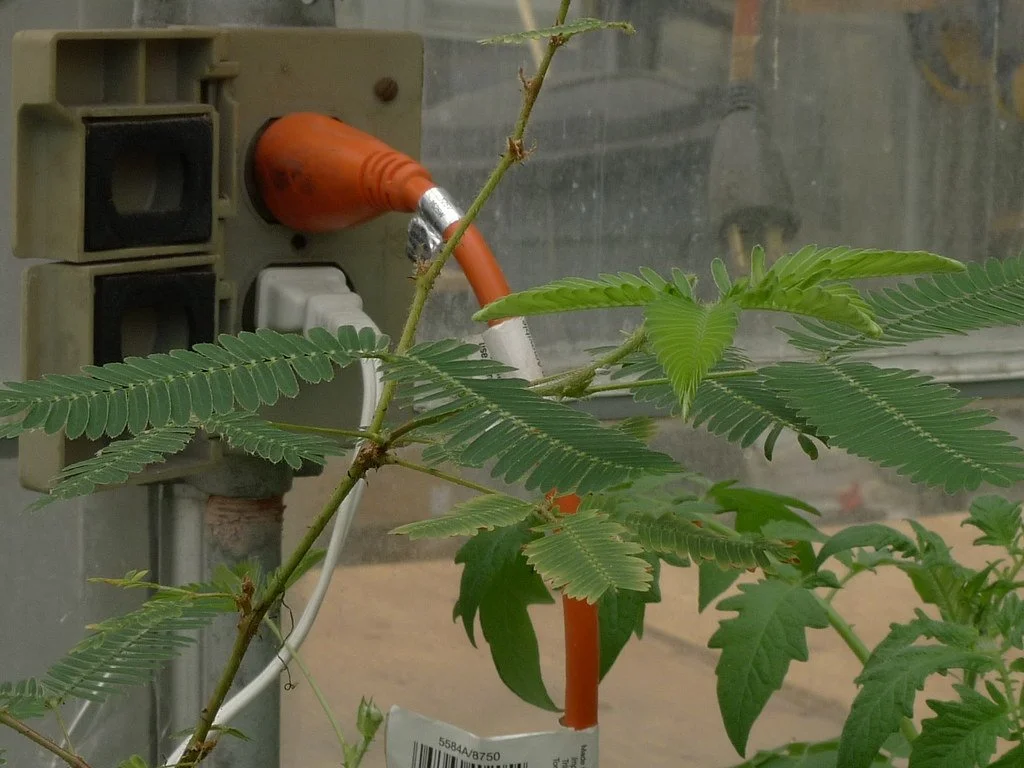
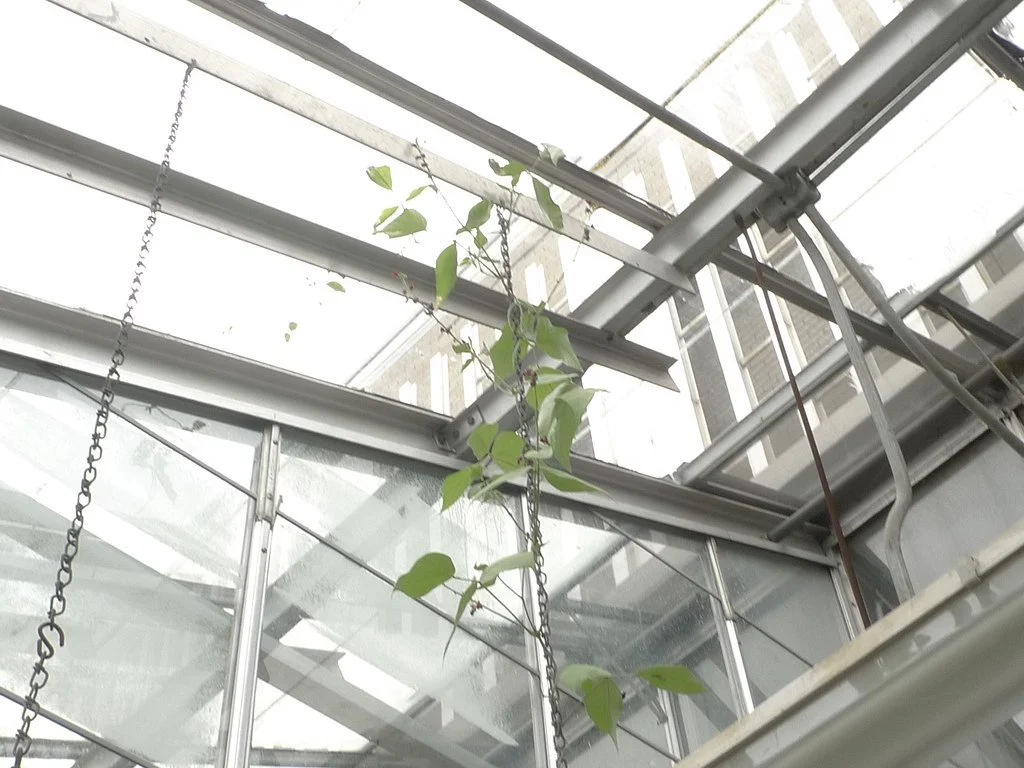
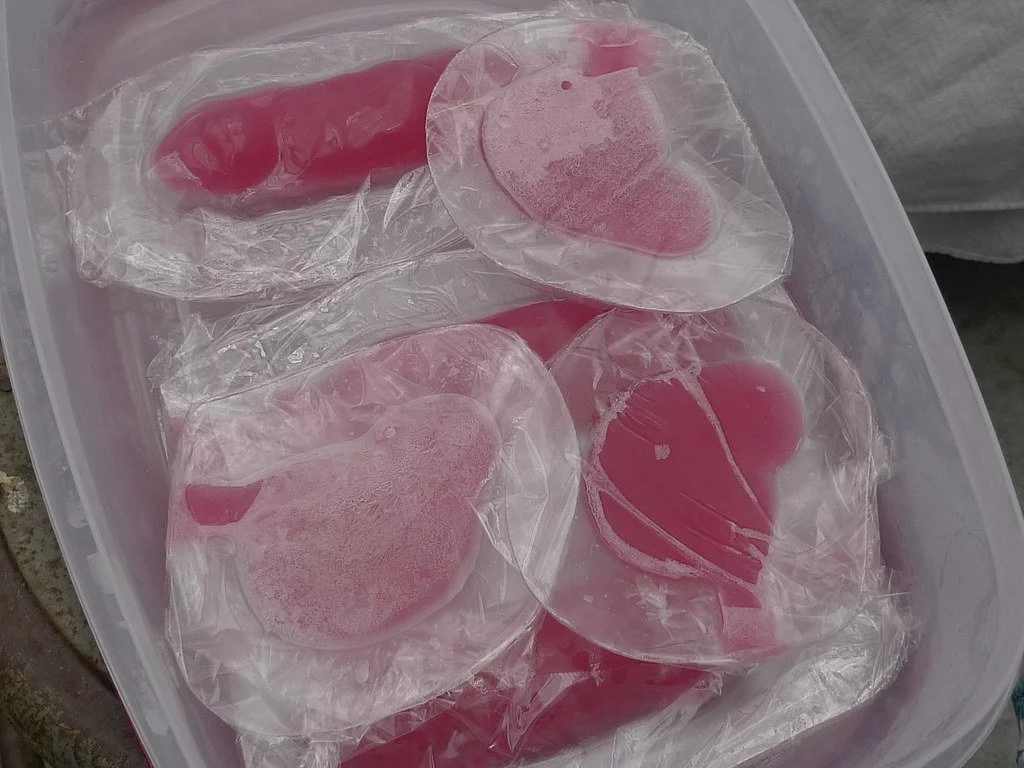
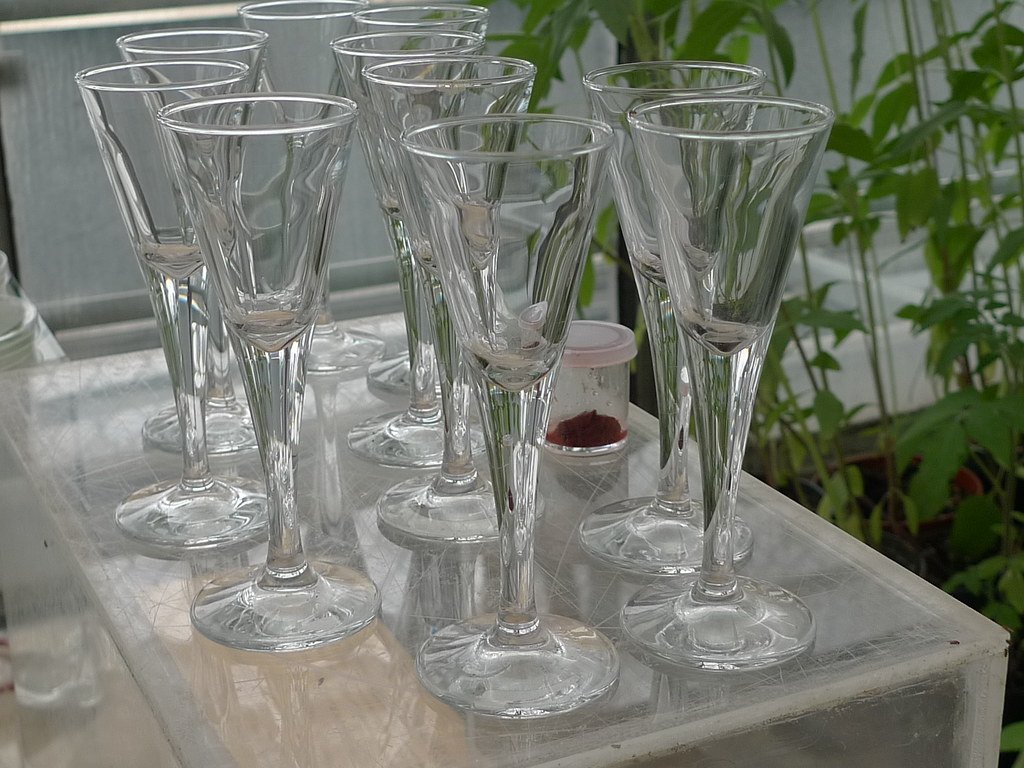
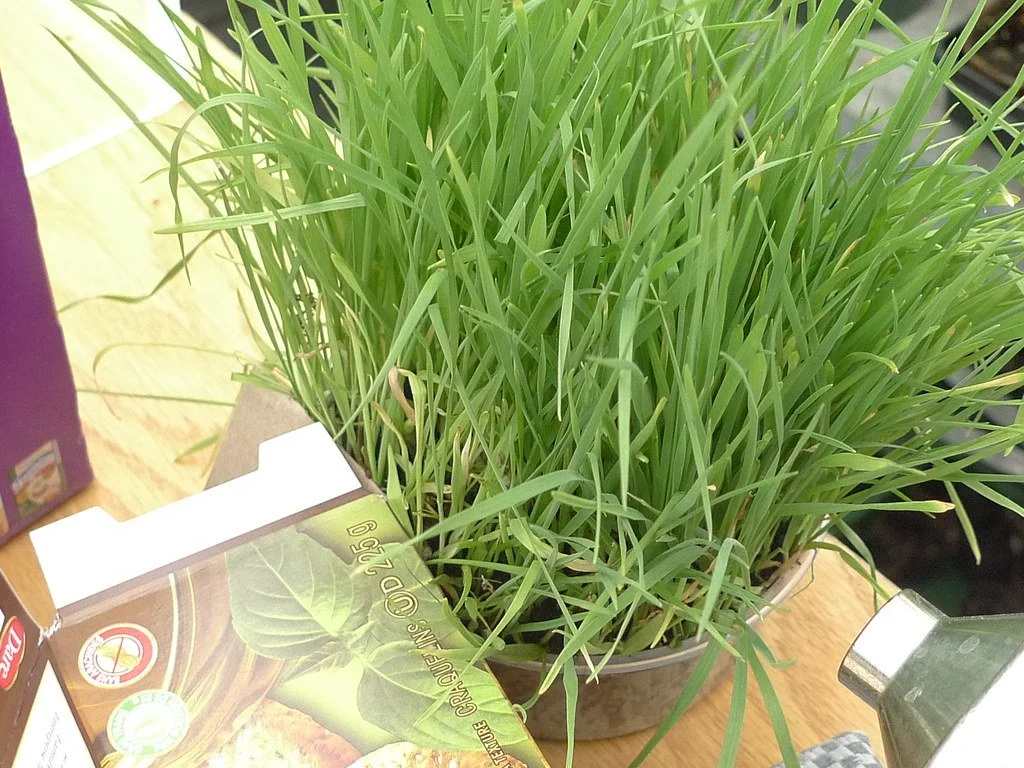
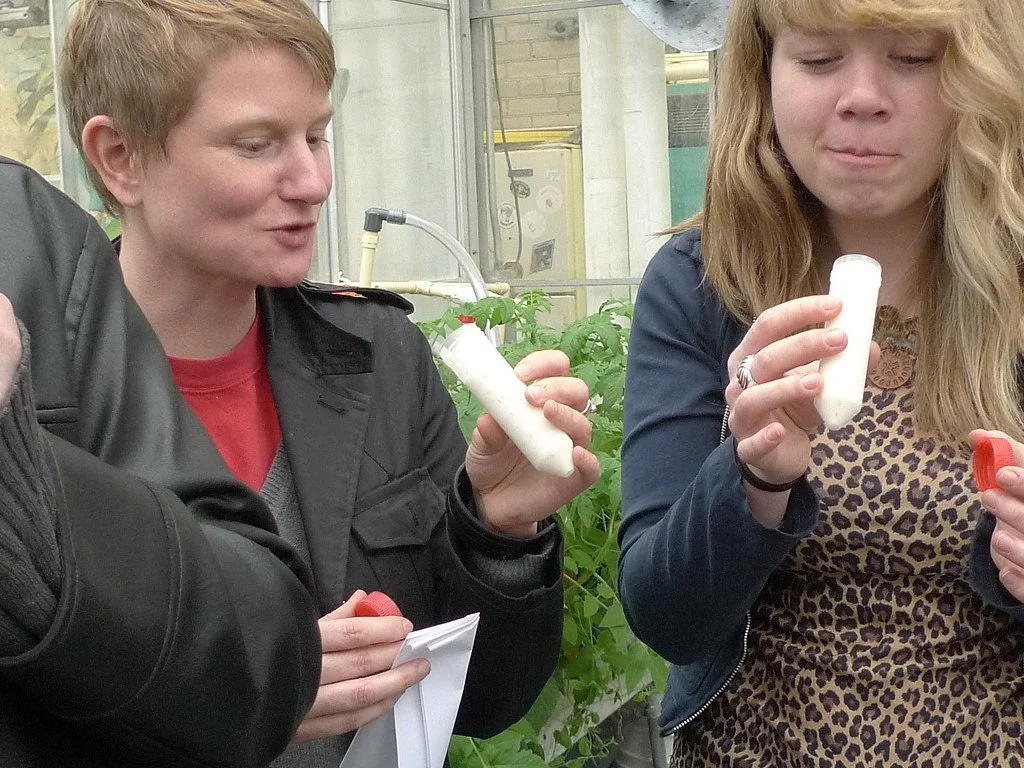
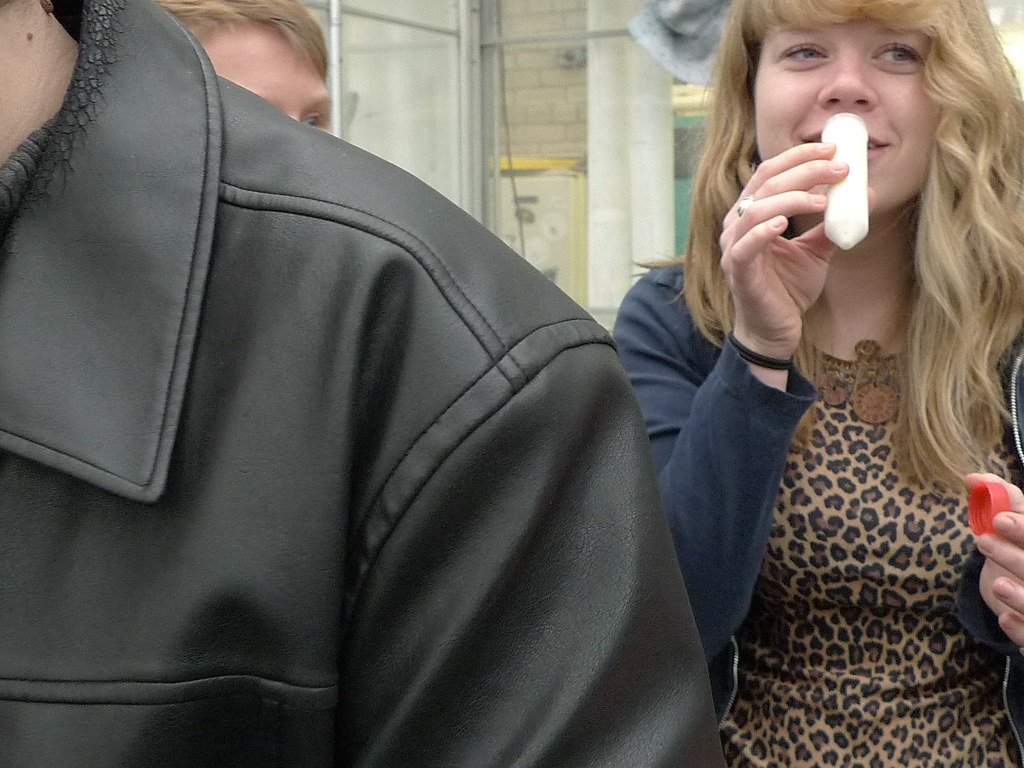
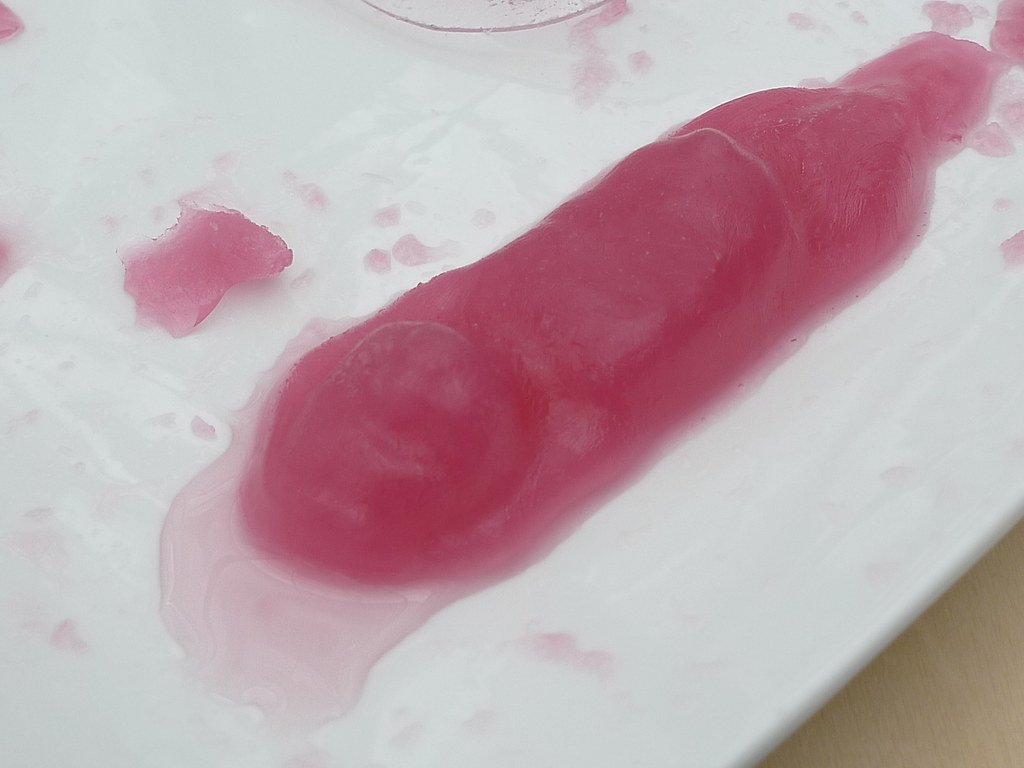
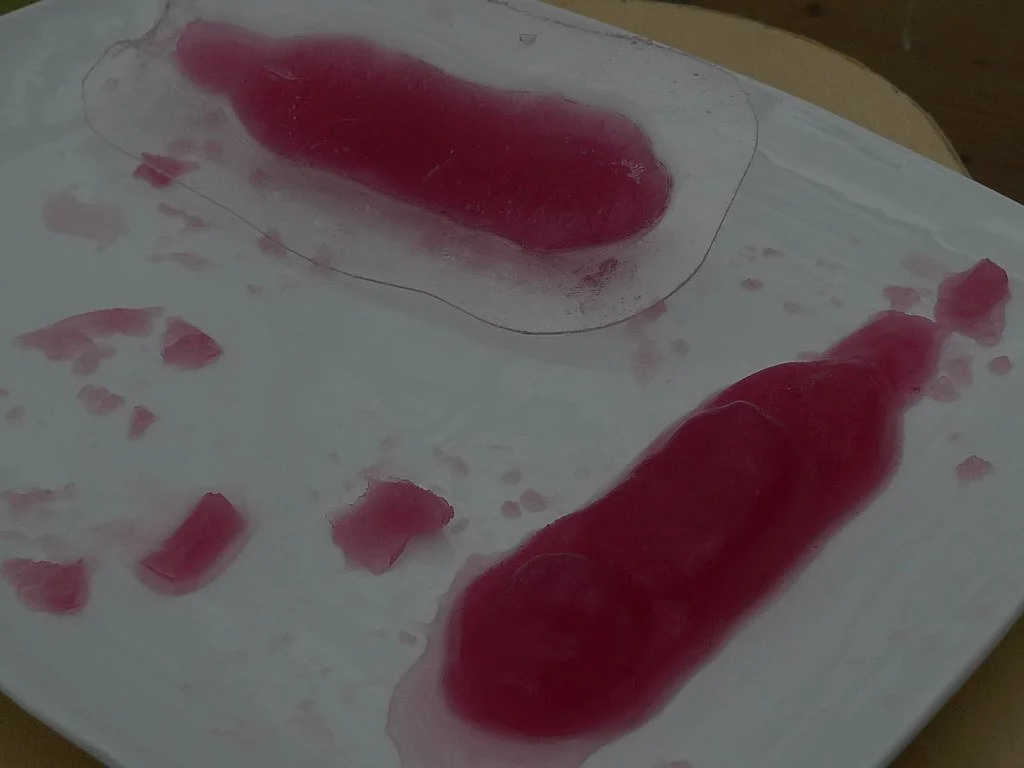
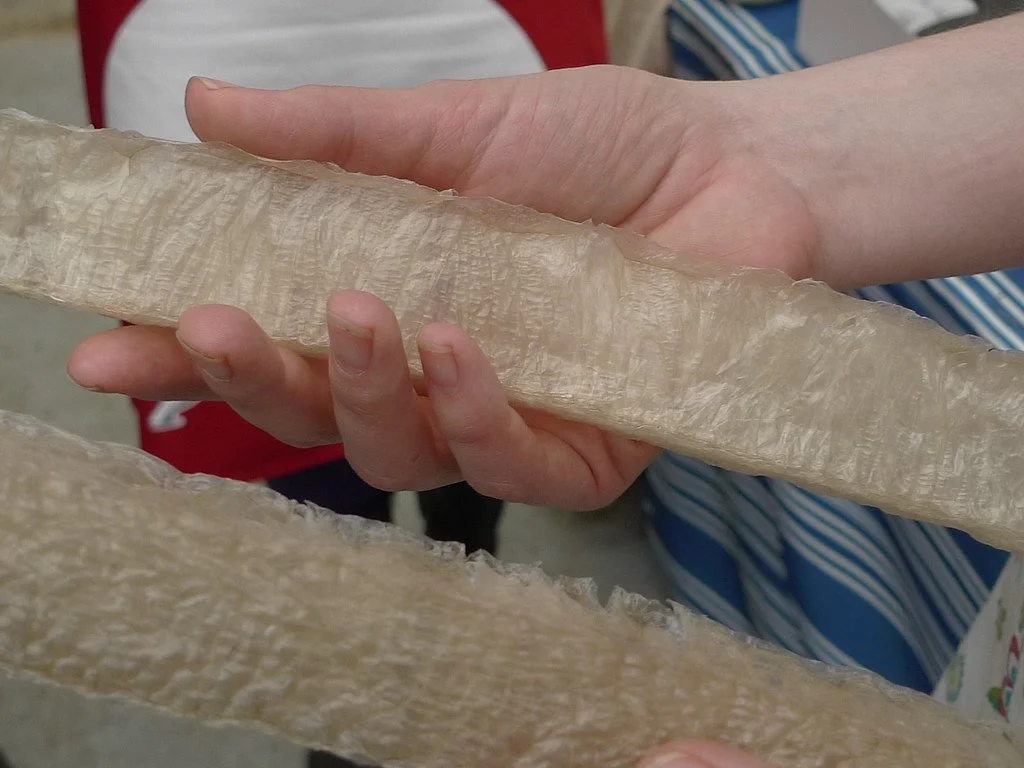
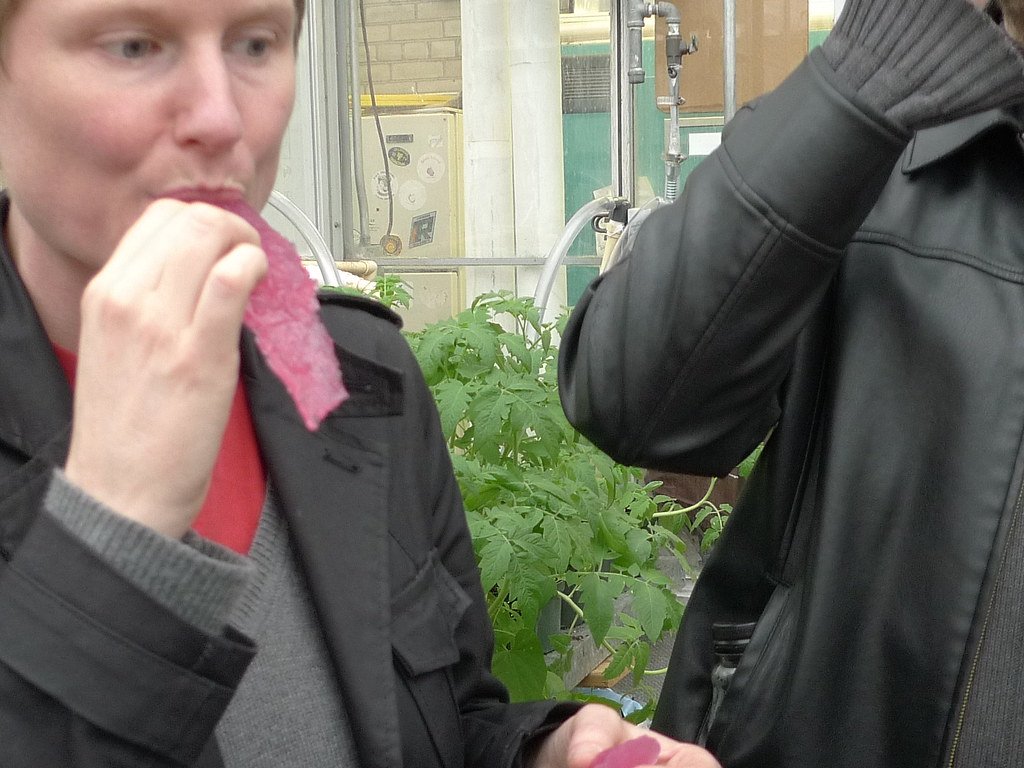
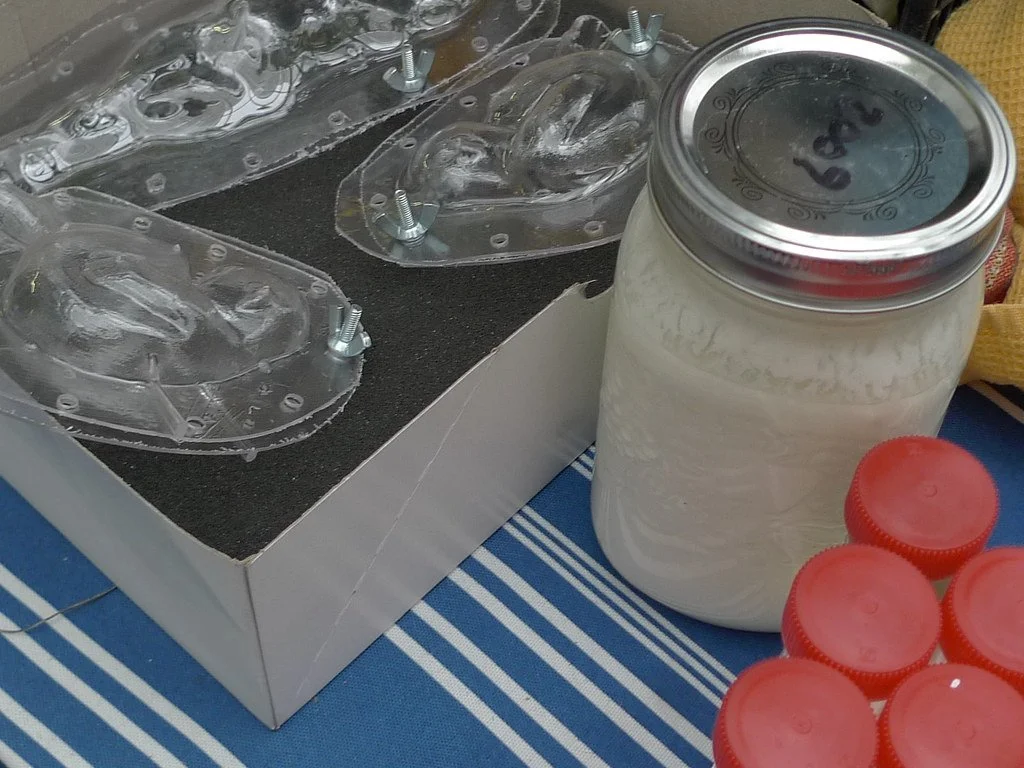
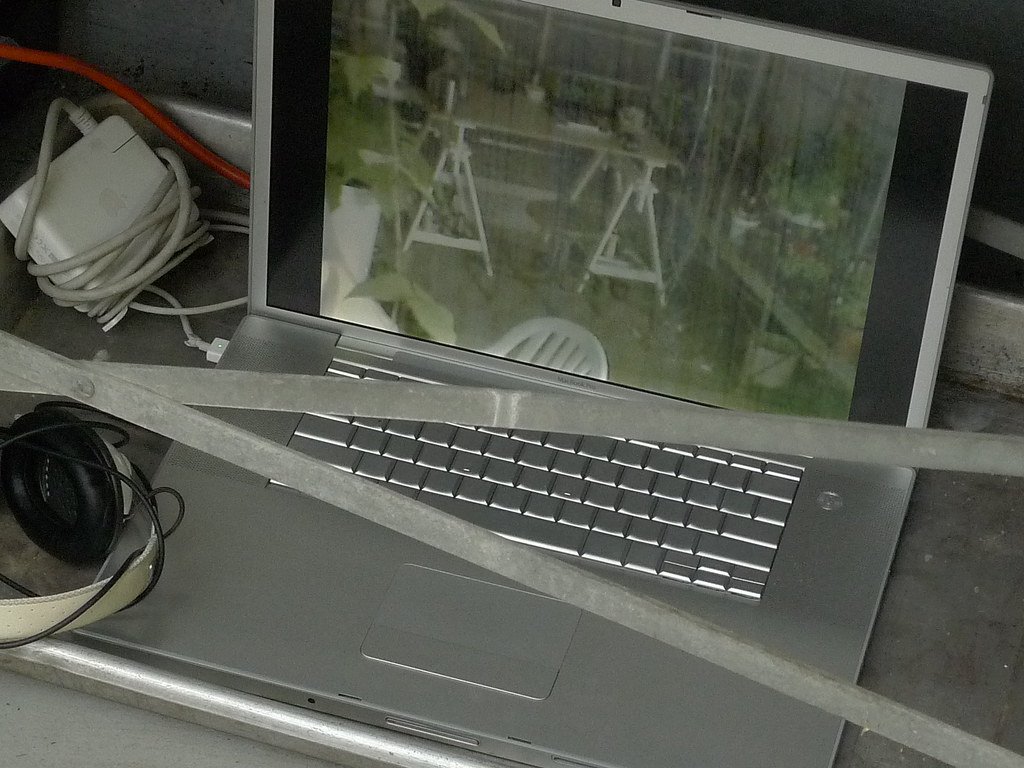
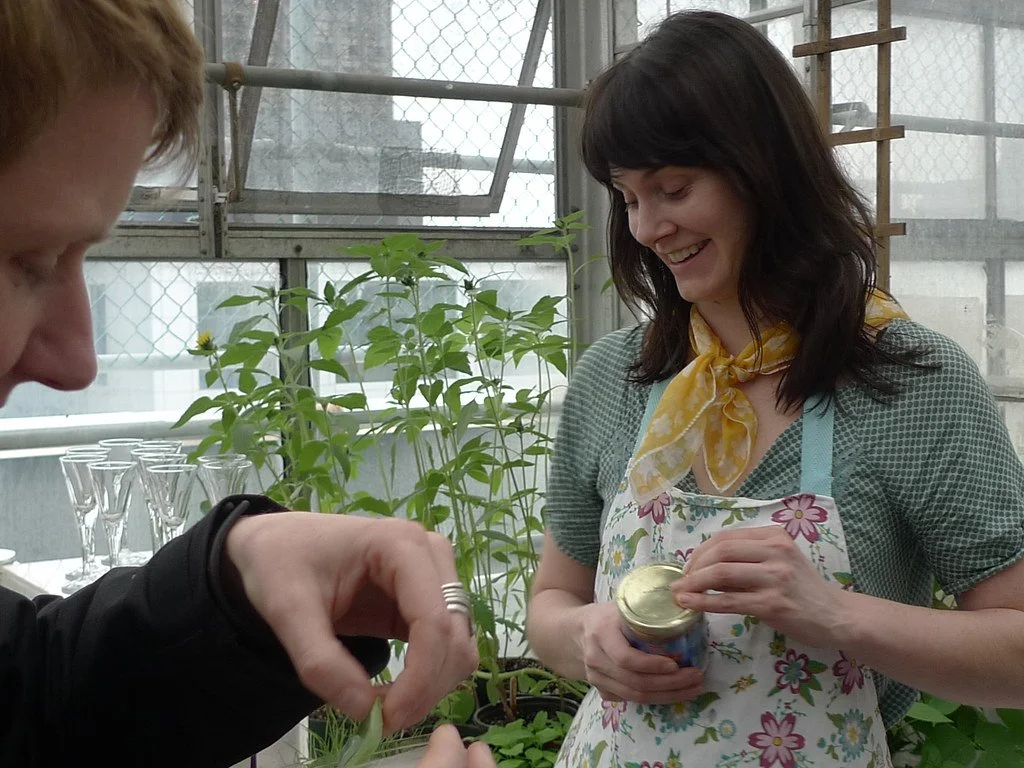
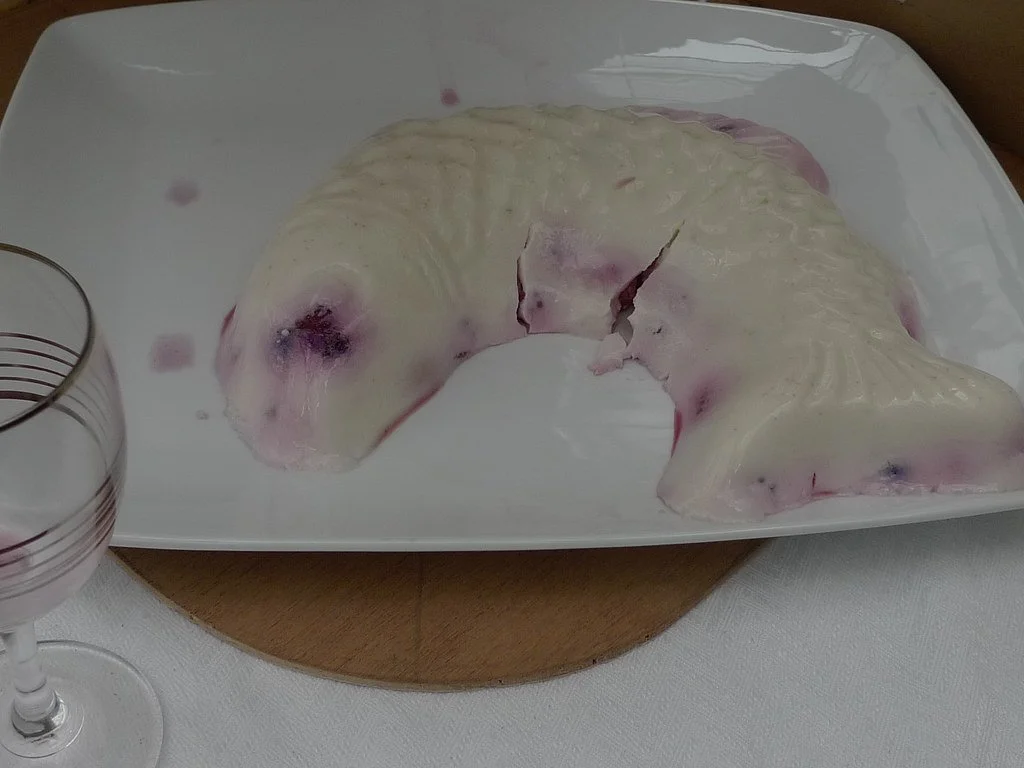
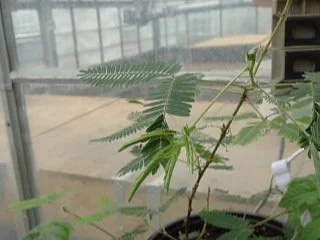

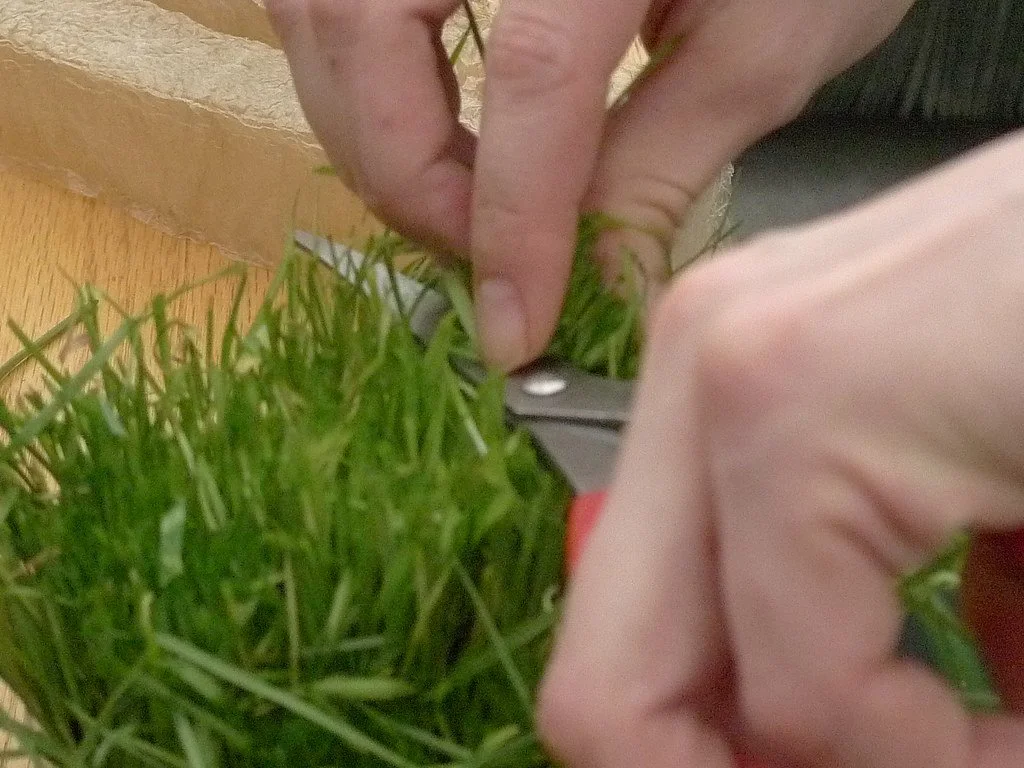
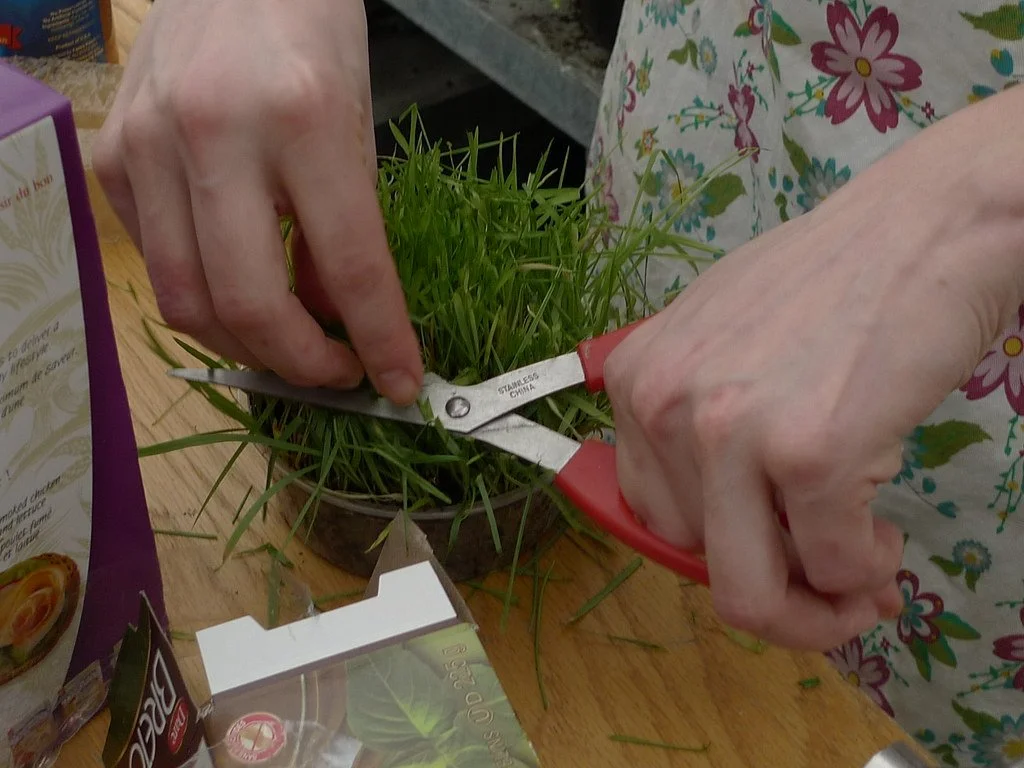
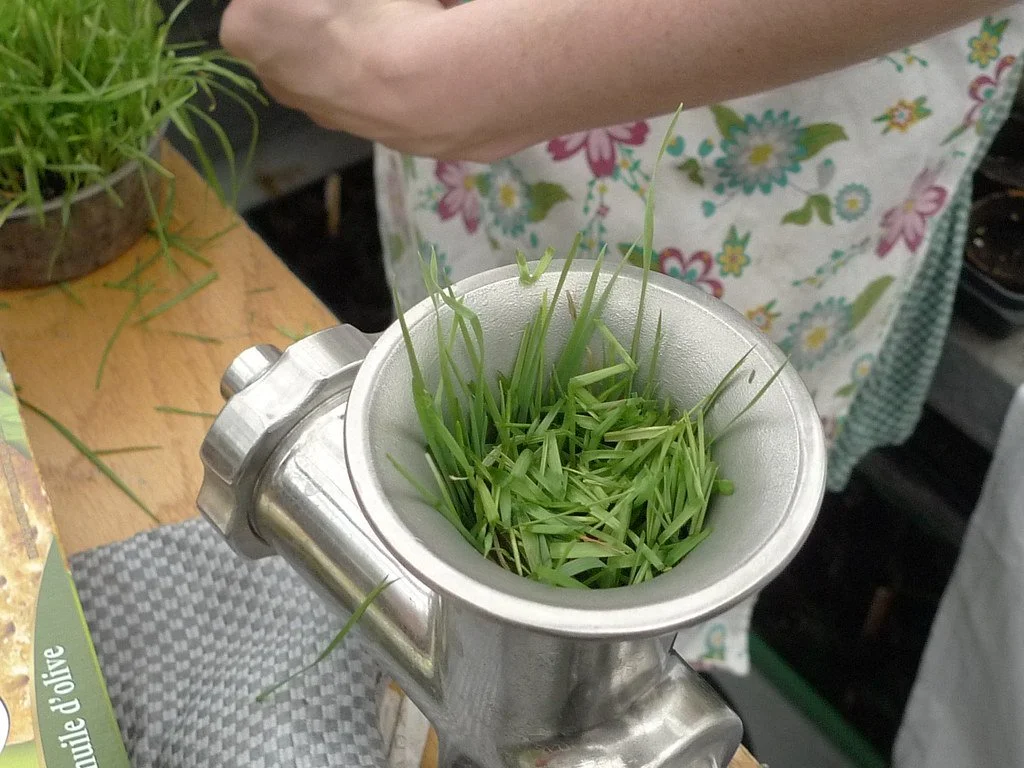
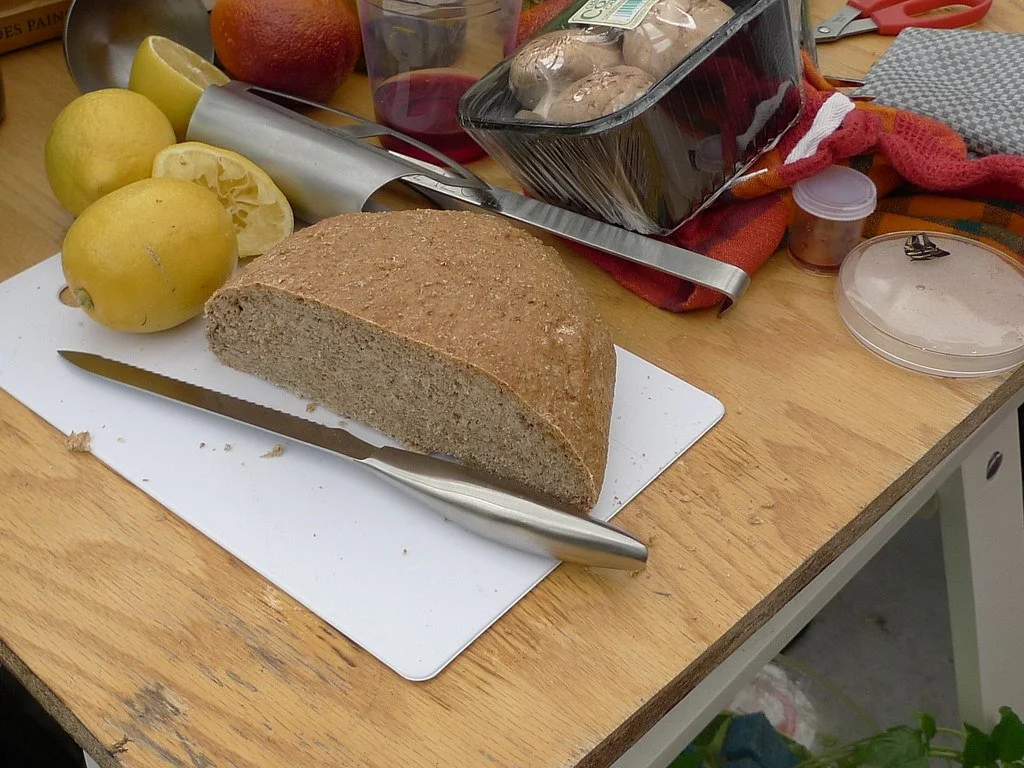
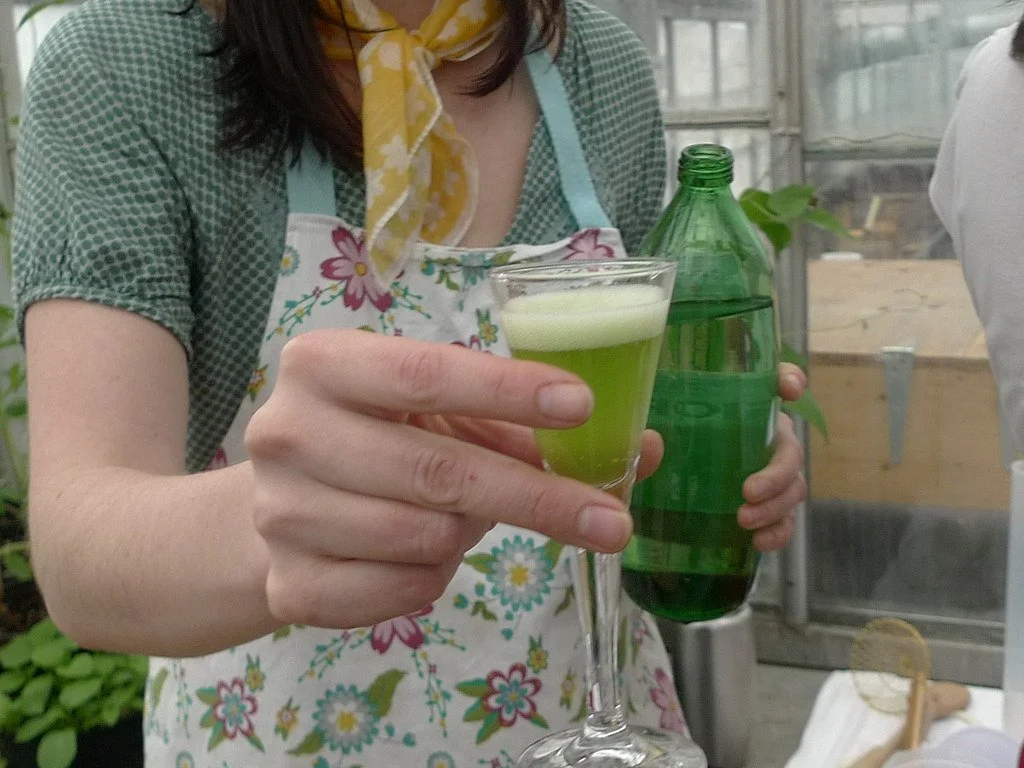
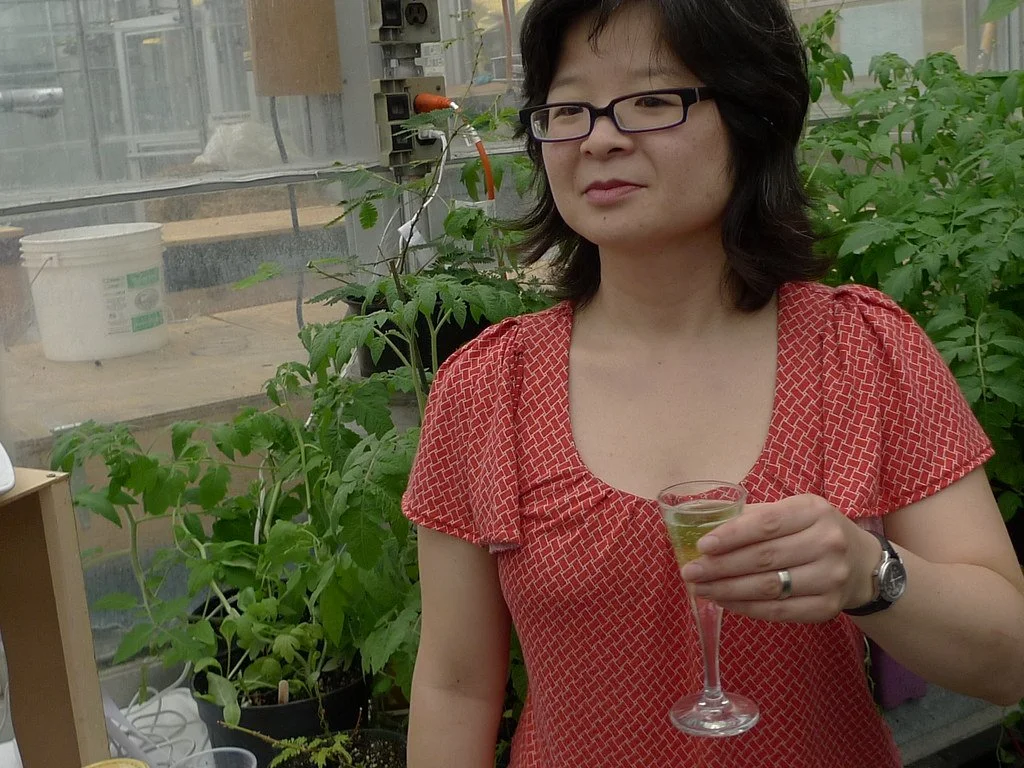
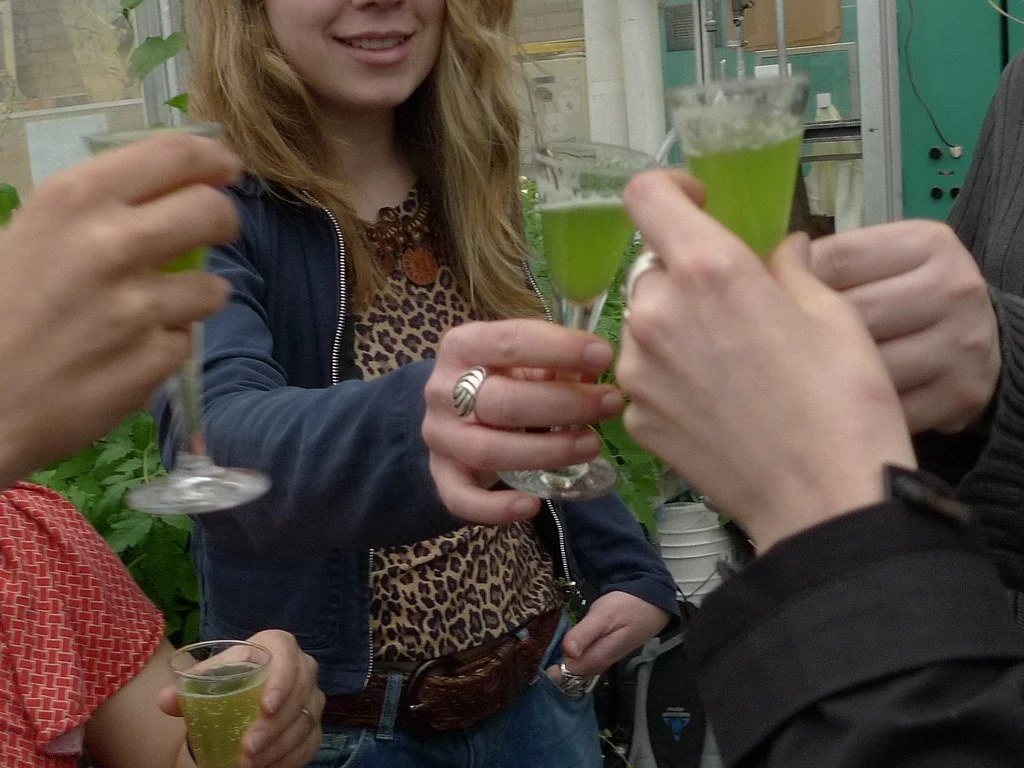
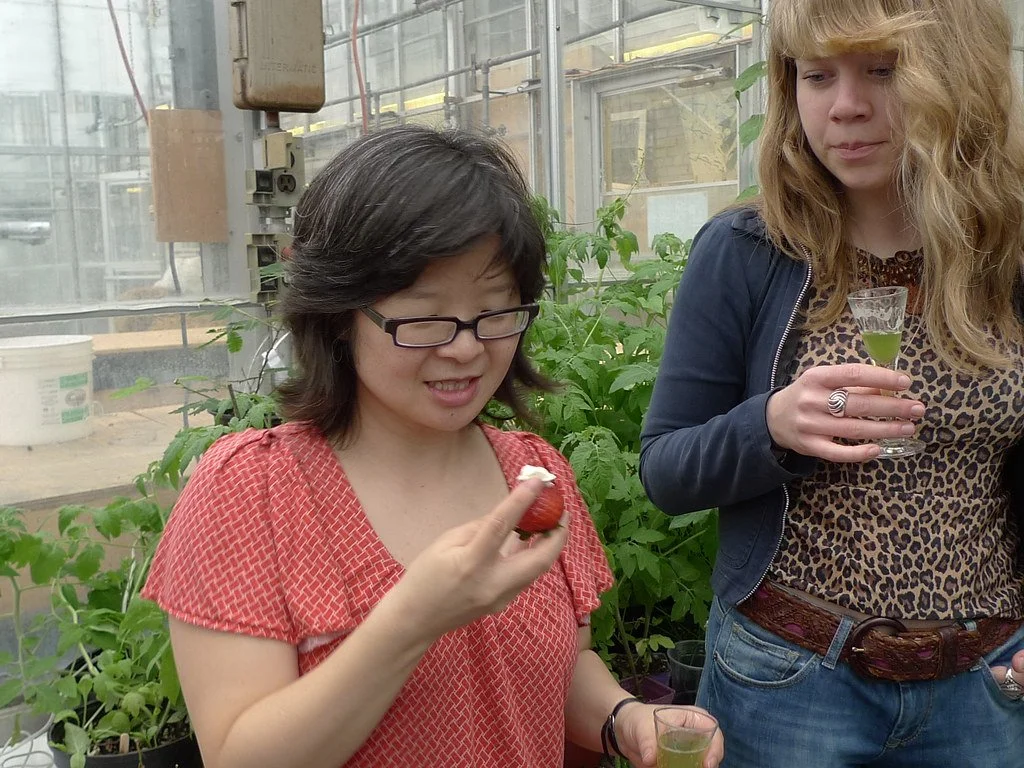
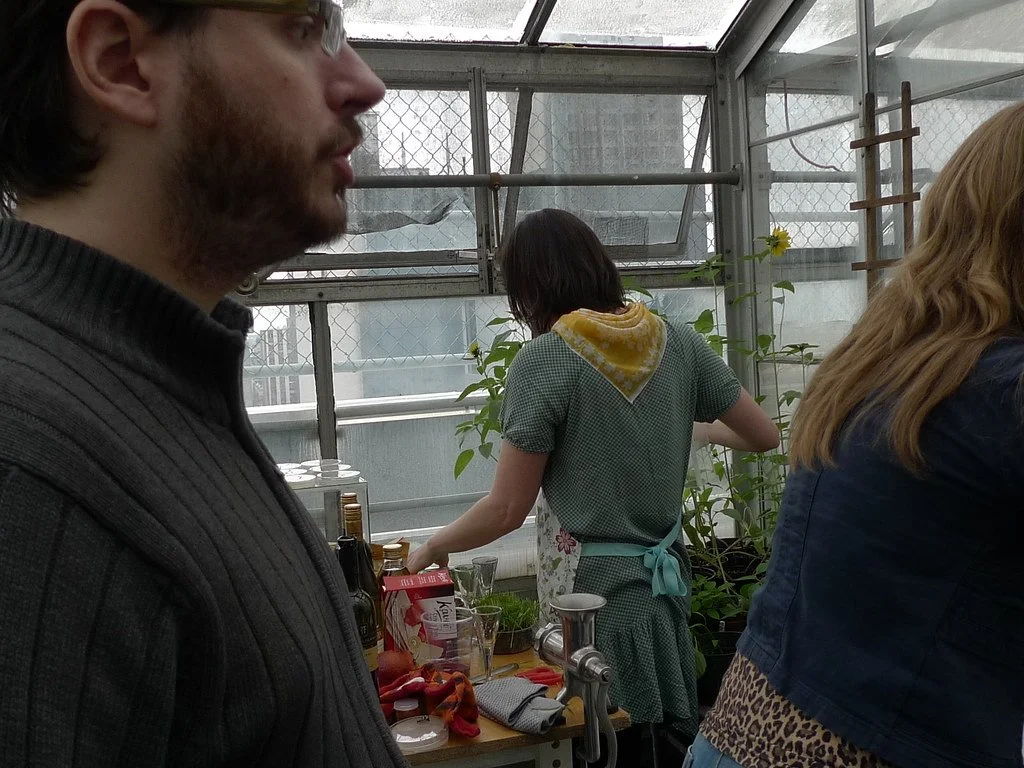
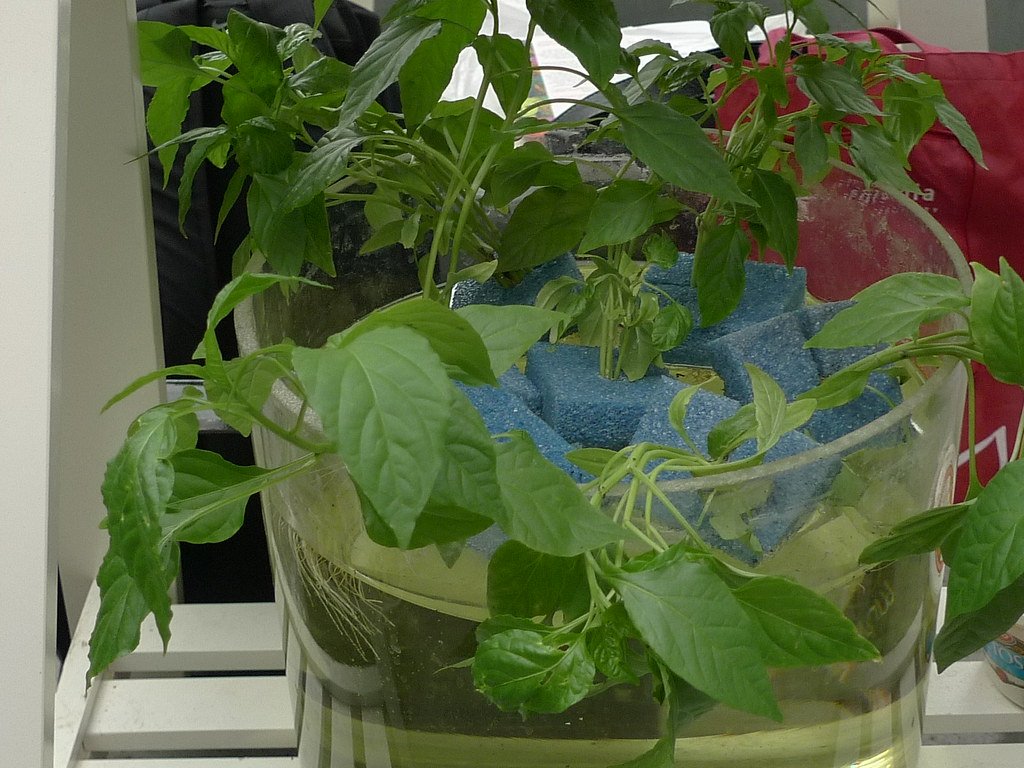
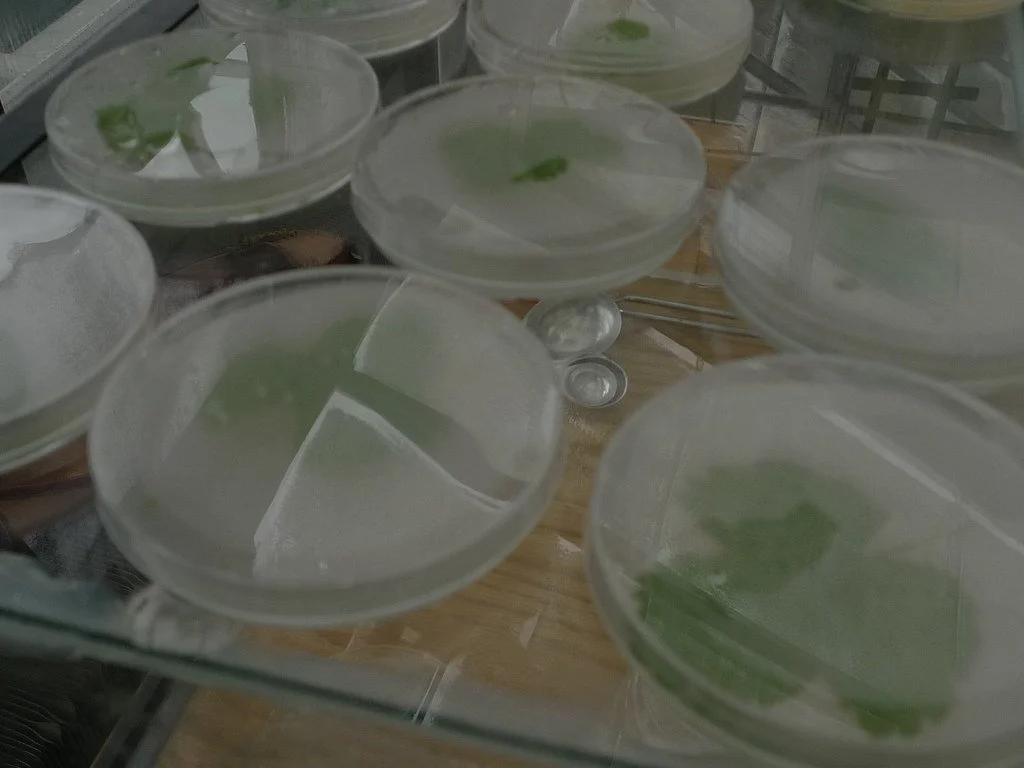
Images from Lunch Lab + Kinder/Garden event co-hosted with Alison Reiko Loader
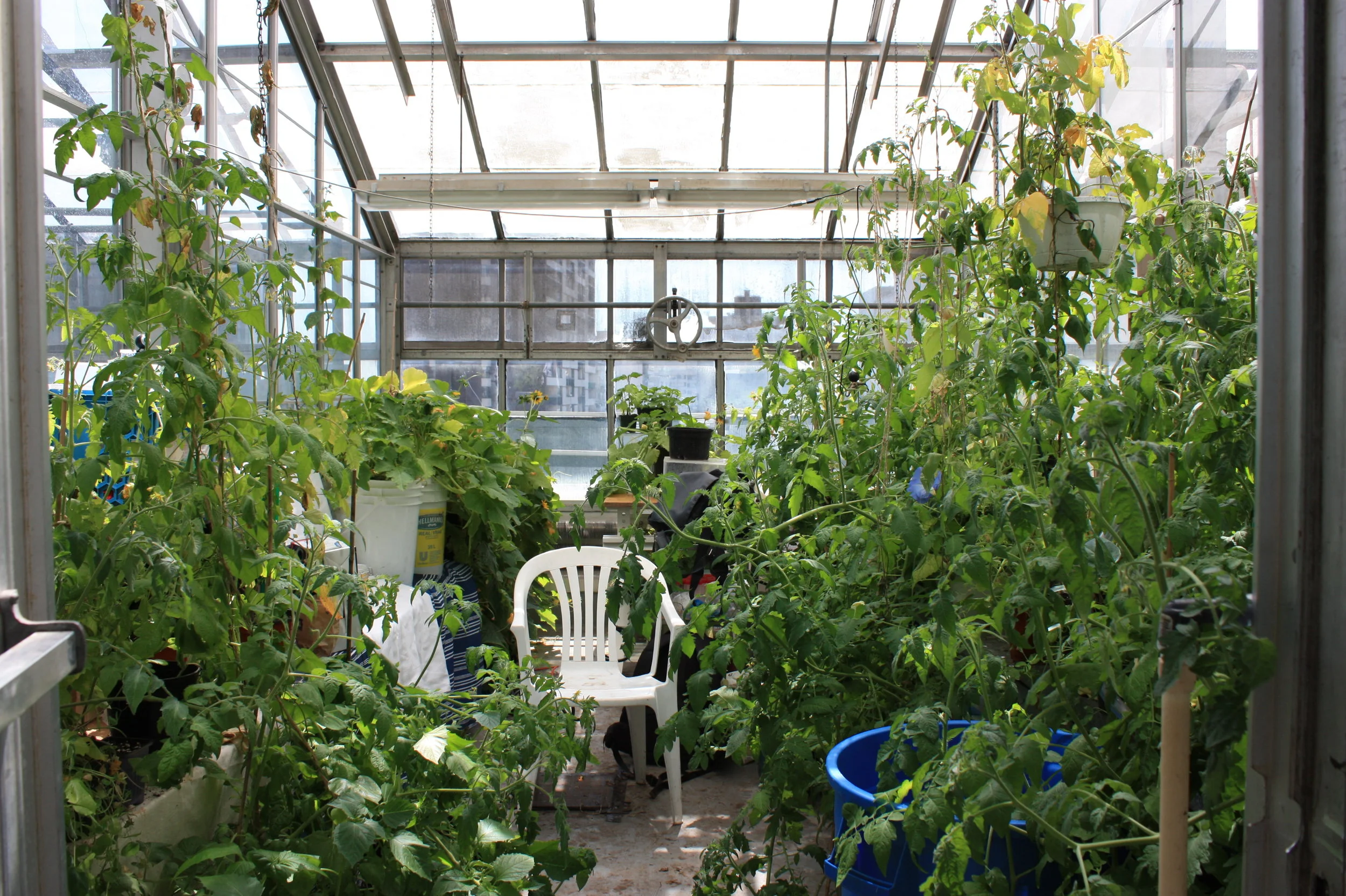
Rooftop studio, Concordia University, 2010
Plant Choreographies
Greenhouse installation / time-lapse study / performative observation
Plants are always moving, spiralling, circling, tracing soft geometries in the air from the moment a cotyledon breaks open the seed’s shell. These gestures, known as circumnutations, unfold in a temporality that resists ordinary human perception. Darwin’s nineteenth-century motion-tracking experiments revealed these subtle vegetal choreographies, but only through technical mediations, grids, mechanical markers, photographic sequences. Even today, we must rely on time-lapse and animation to glimpse the dynamic, restless life of plants in motion.
Drawing from Greg Lynn’s notion that animation expresses “growth, actuation, vitality, and virtuality,” this project explores plant movement as both scientific phenomenon and aesthetic encounter. Working within a greenhouse set, I created a space where plants could grow freely while being observed—both through cameras recording their slow arcs and through my own presence, drifting in and out across days, weeks, seasons.
To remain with the plants was to learn a new temporal literacy. Their world is slow, circular, responsive to sun, nutrients, humidity, and rest—conditions that also shape human life but often slip beneath conscious awareness. As vines spiralled upward at nearly a foot per week, and squash pushed roots deeper each day, I became increasingly aware of my own subtler growth. A haircut. Fingernails trimmed. A shift in perception. Their transformations were visible; mine were internal, relational, perceptual.
This work seeks to destabilize the assumption that plants are passive or still. Over time, my perceptual frame unraveled and reformed: I began to see double, to see movement where I once assumed stasis. Brian Massumi writes that to perceive an object is to perceive more than what is physically visible and to sense into its qualitative unfolding. The greenhouse became such an unfolding: a site where the real and the perceptually unreal intermingled, where human and vegetal temporalities grazed one another.
Yet this altered perception cannot simply be performed on demand. The installation requires visitors to suspend their habitual sense of time, to relinquish immediacy, to dwell in a slow choreography that may seem uneventful at first encounter. The greenhouse is sensorially rich, humid air, leaf-glow, the scent of soil, yet its core invitation is subtle: to linger long enough for movement to surface, or for the viewer’s own sense of time to shift.
How might an installation communicate this requirement of slowness? How can a casual visitor enter a temporality where change is incremental, cumulative, almost invisible unless one learns how to perceive differently? Plant Choreographies is both a study and a proposition: an experiment in attunement, asking how humans might cultivate the perceptual elasticity needed to meet vegetal beings in their own unfolding time.