





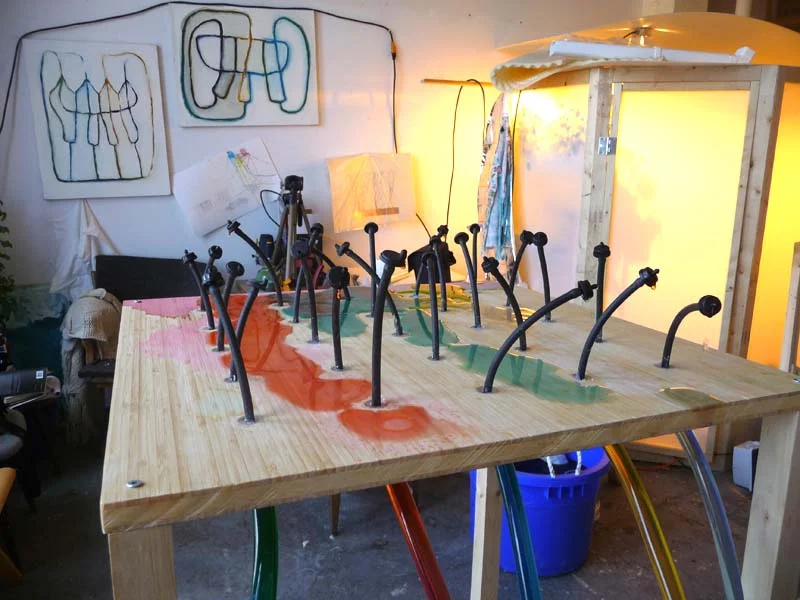



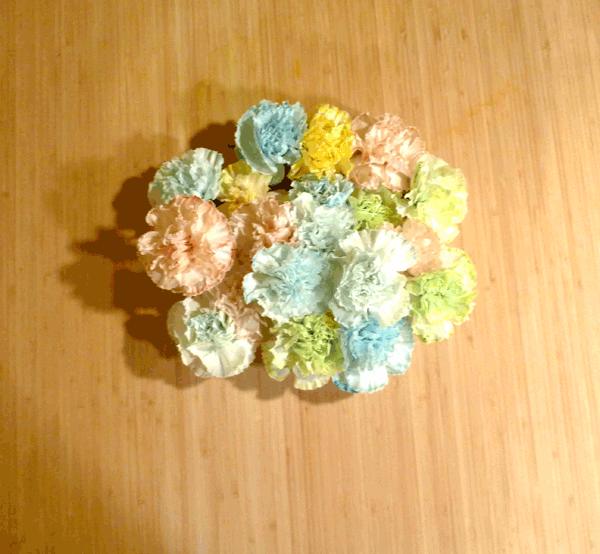
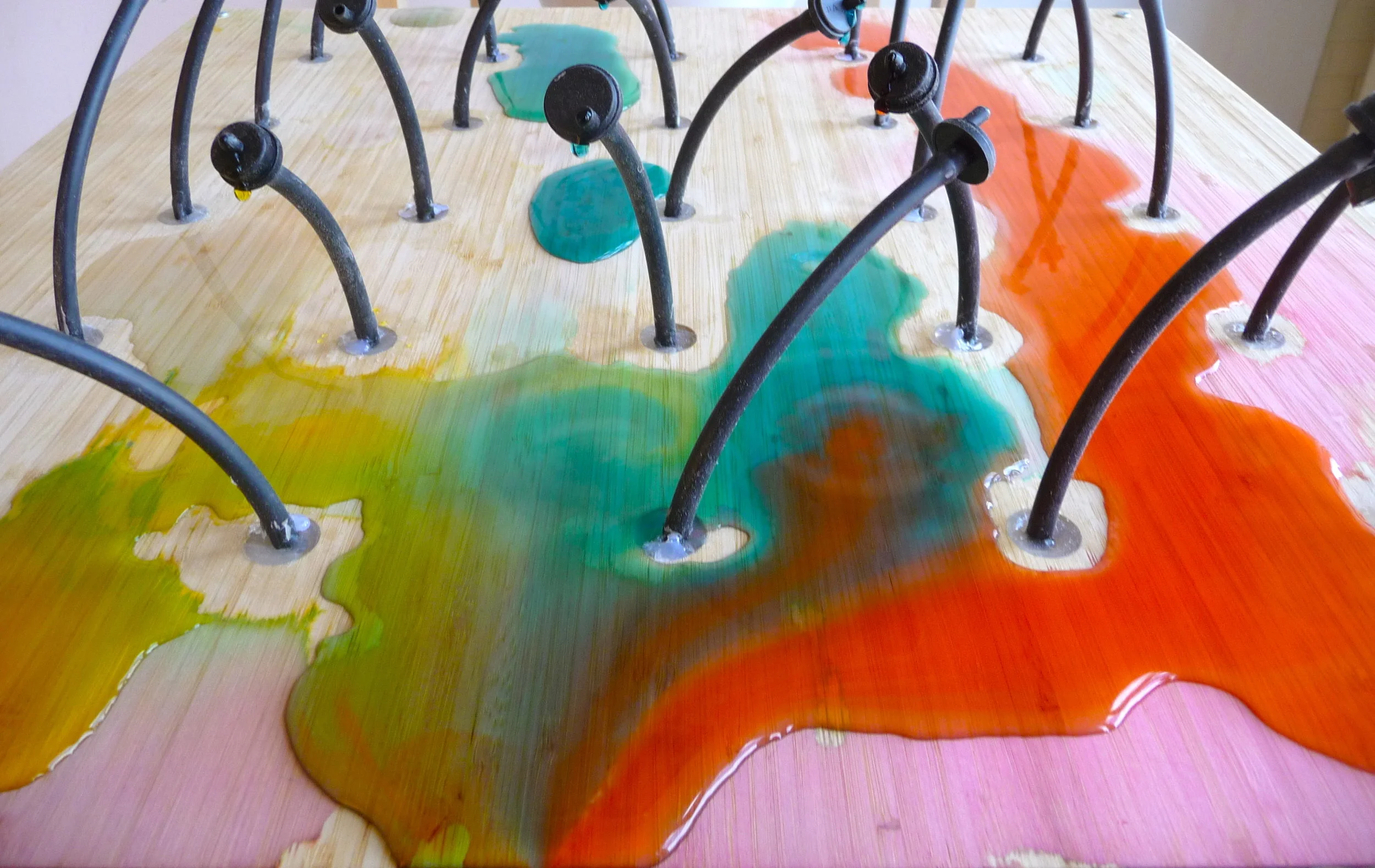
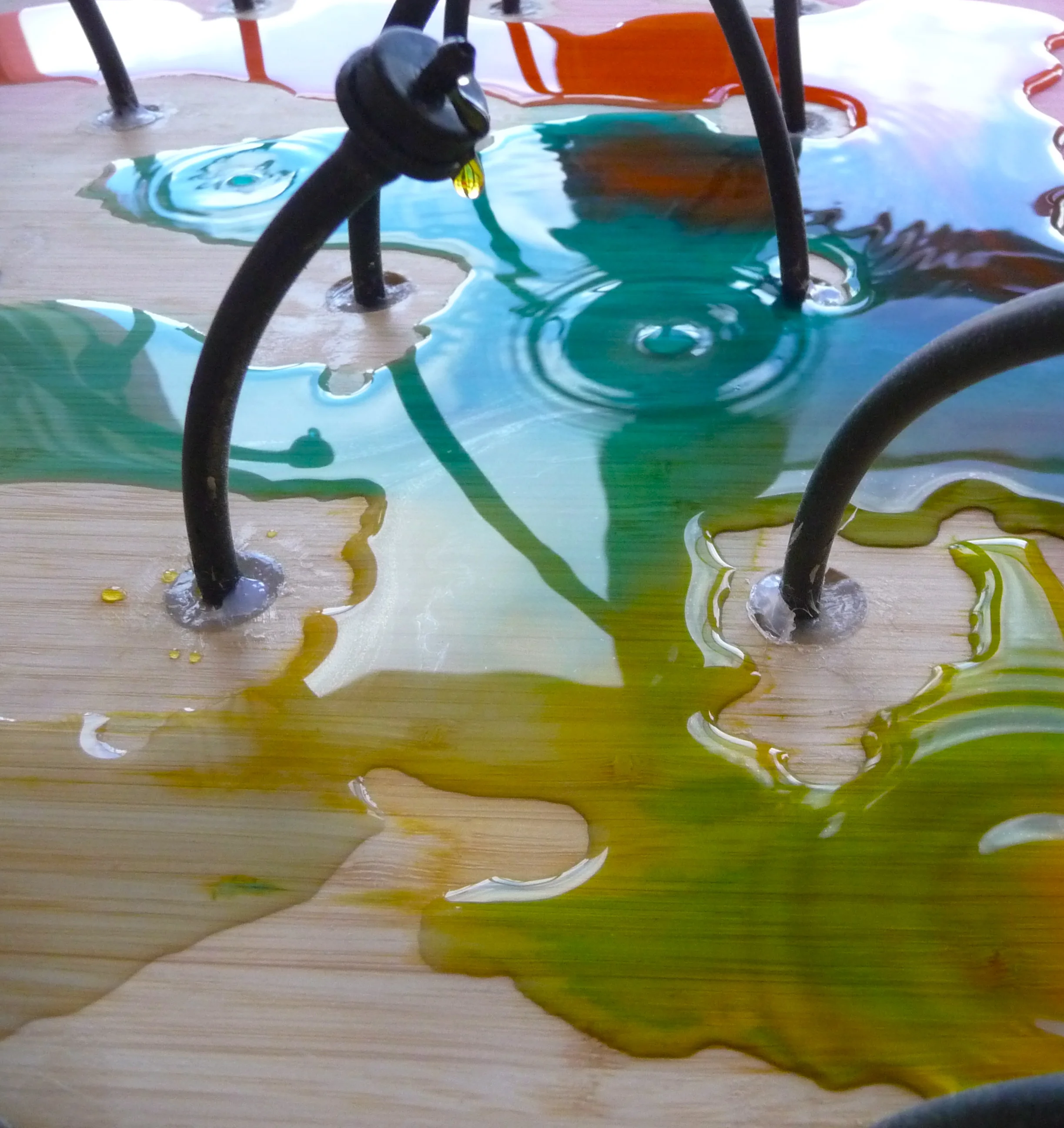
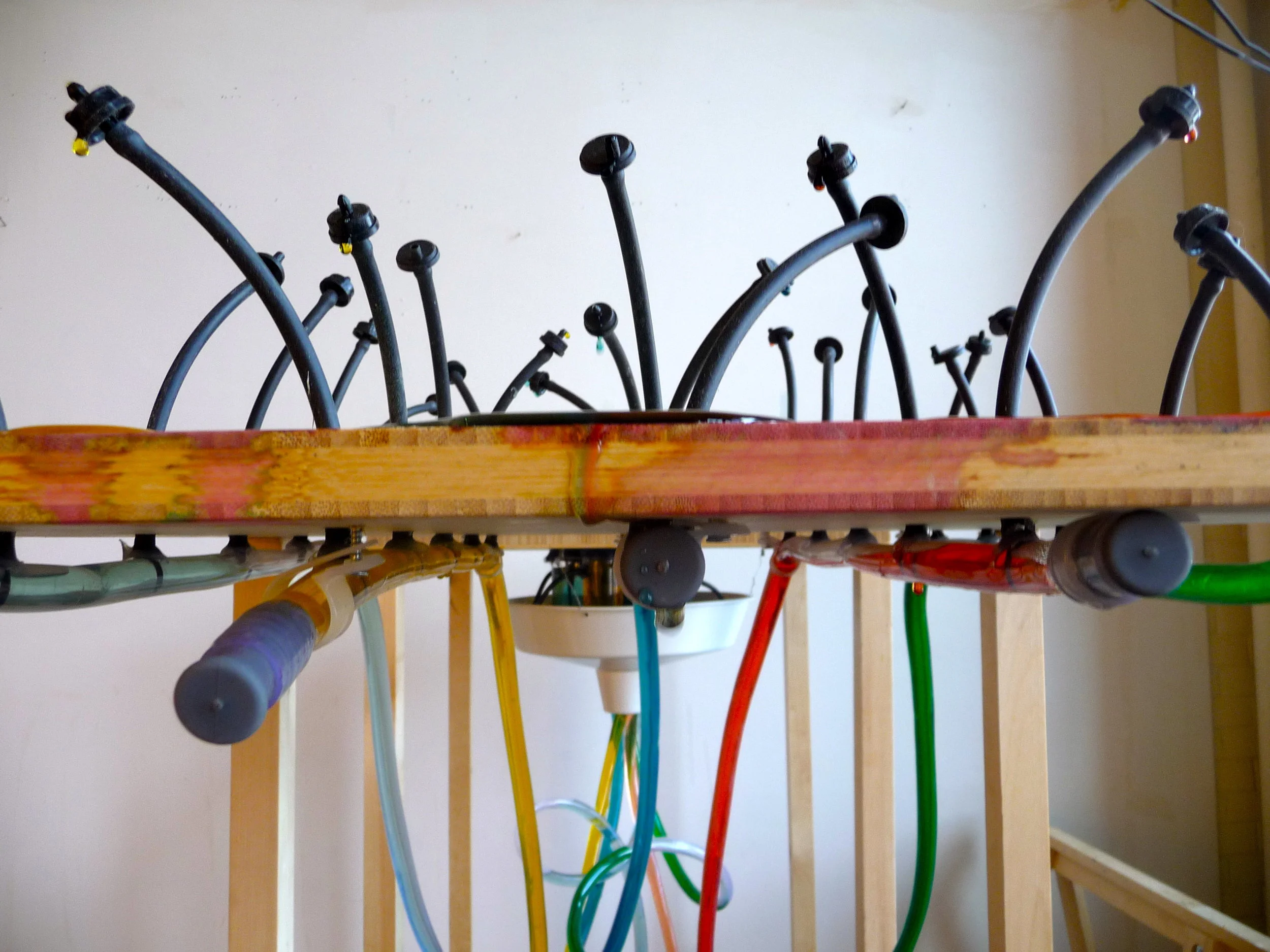
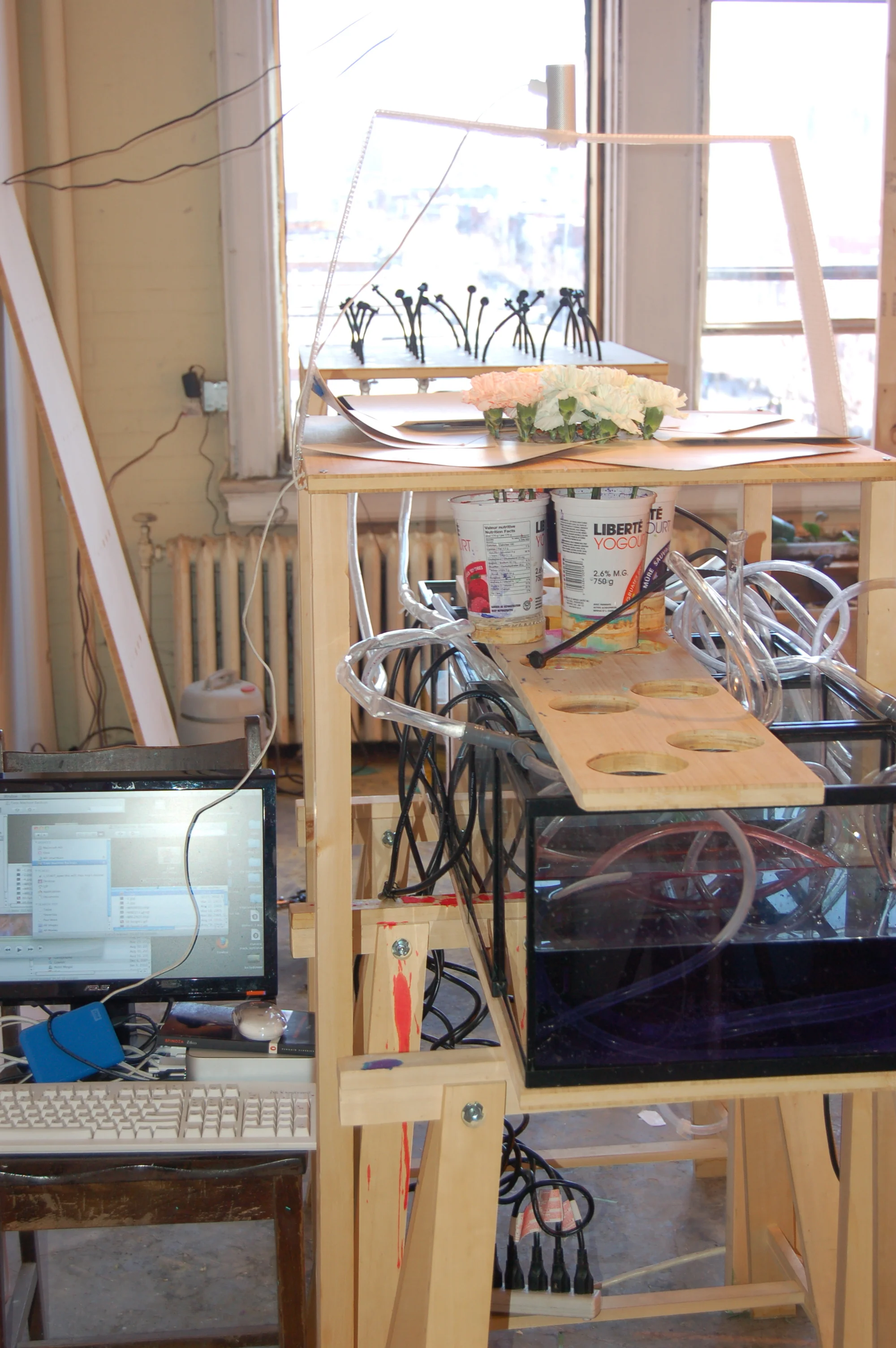
Colour Theory for Carnations, 2010
Studio installation tests, Montréal
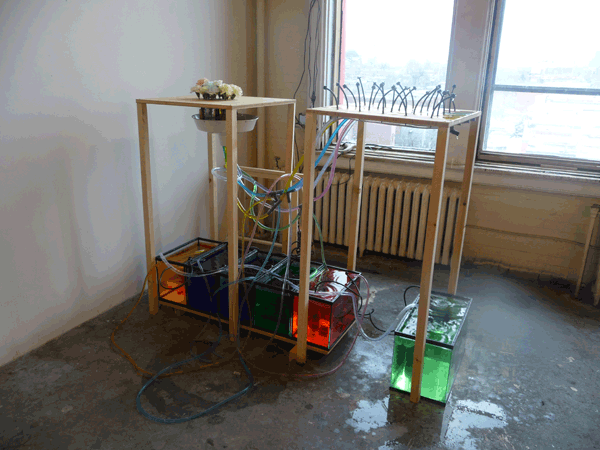
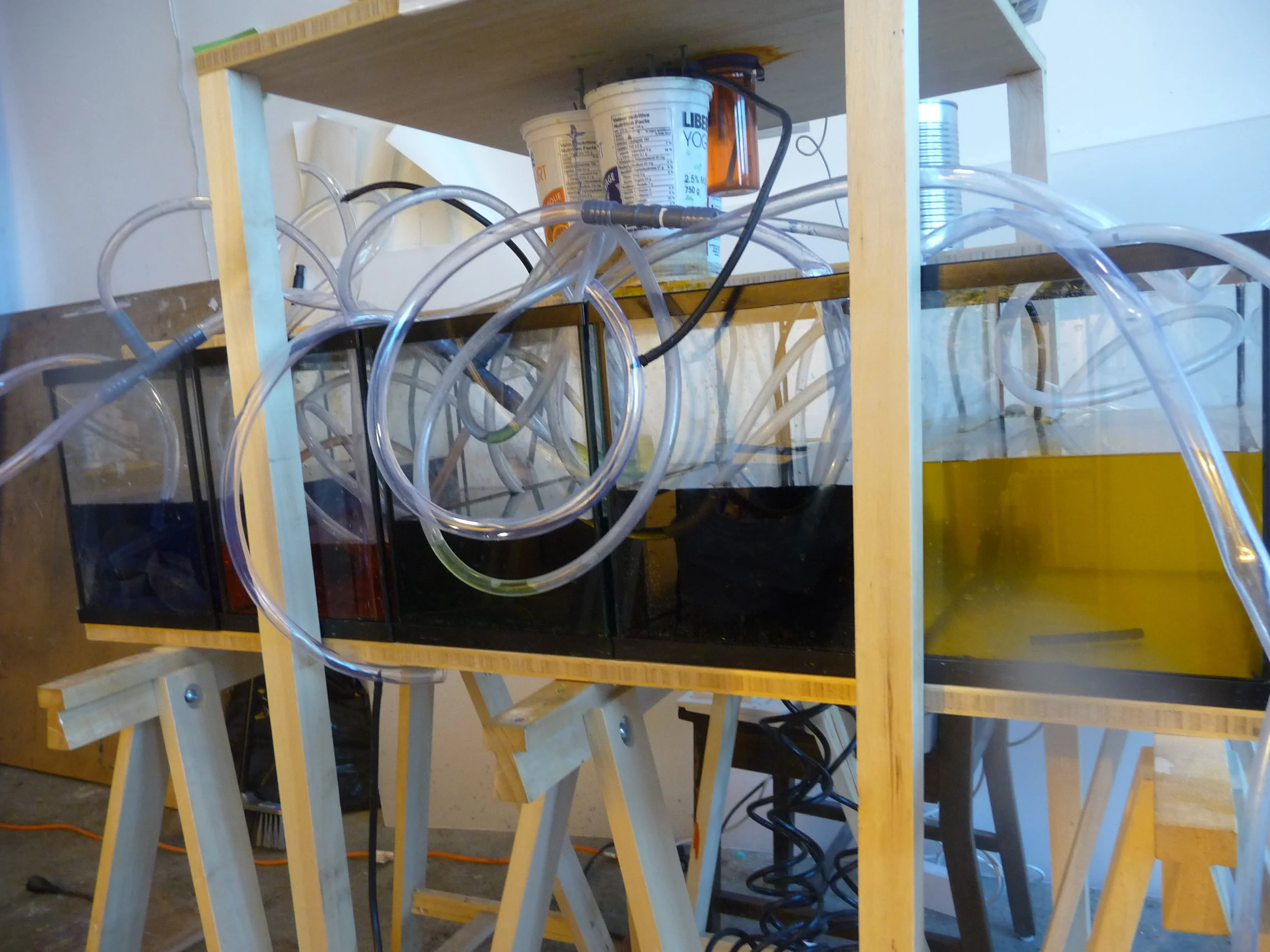
Colour Theory for Carnations is a process-based installation that explores colour as a living, distributed system rather than a fixed visual property. The work is informed by early systems art and ecological process practices, particularly Hans Haacke’s Condensation Cube and Rhinewater Purification Plant, as well as later developments in eco-aesthetics and artist-led forms of experimental “engineering.”
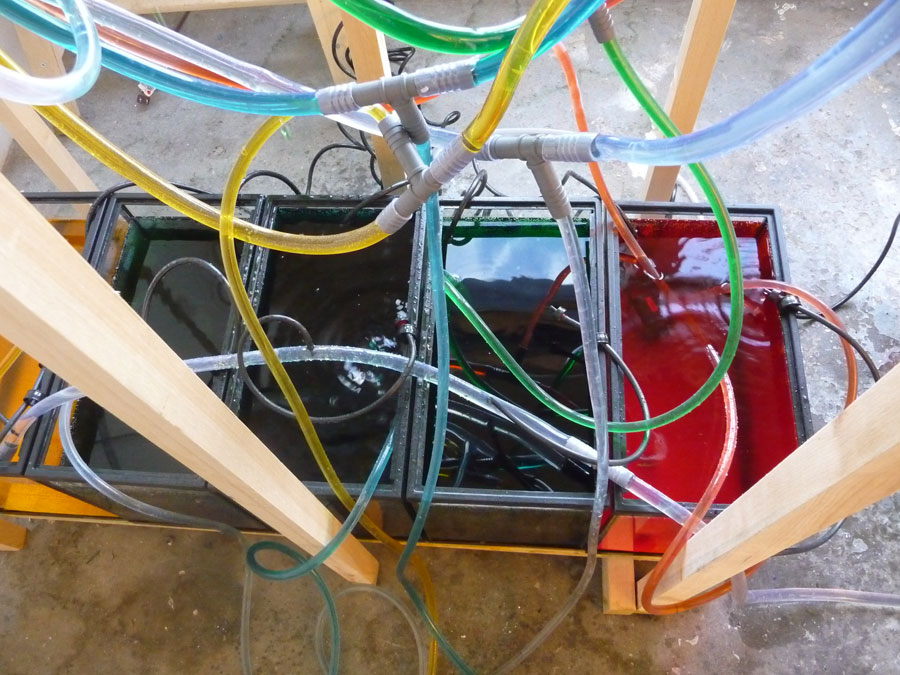
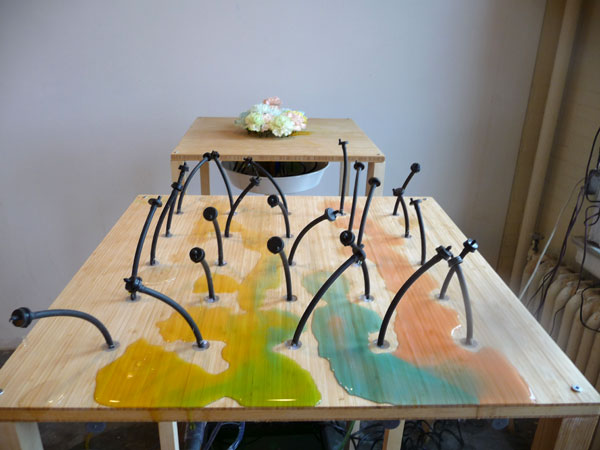
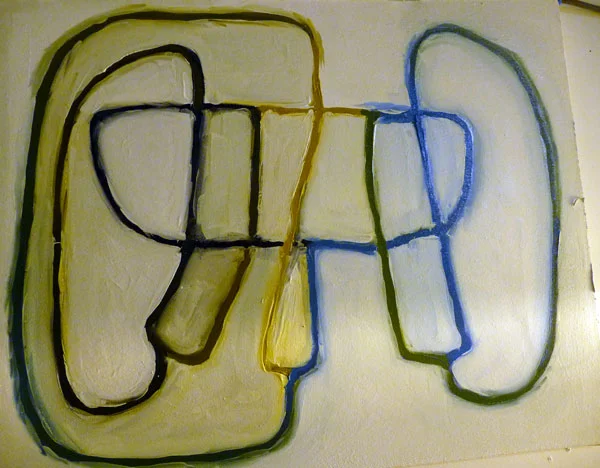
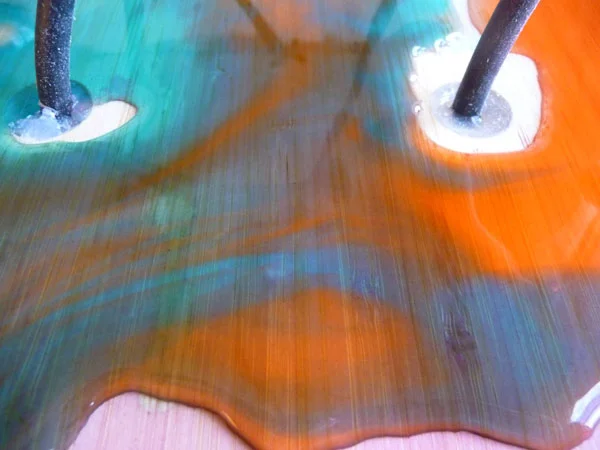
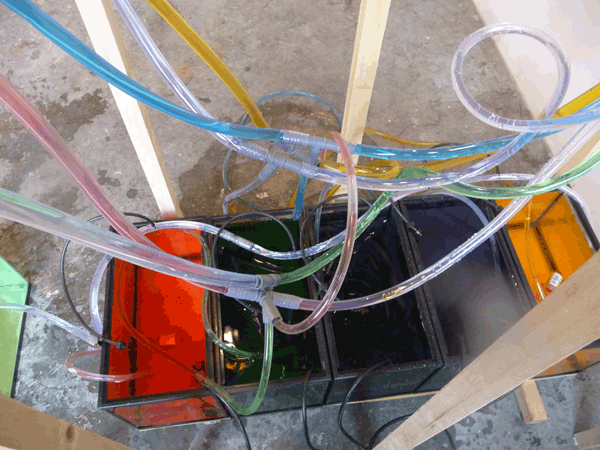
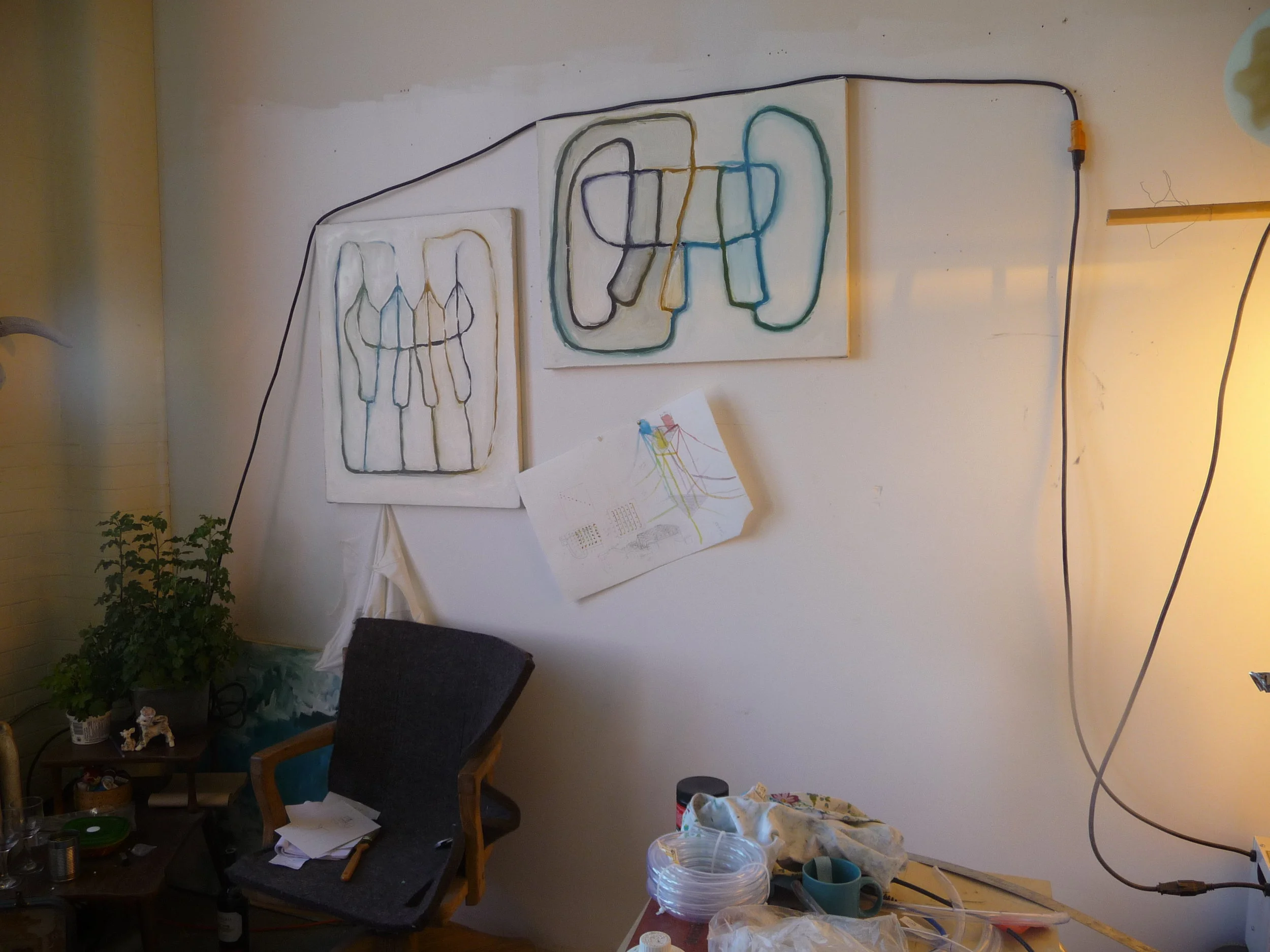
The term automata is used deliberately and critically. Rather than creating a fully automated system, the installation is conceived as a lively, semi-autonomous assemblage; responsive, unstable, and contingent. Colour is treated as an expanded form of painting: dispersed into air and space through lines, drawings, and networks of clear vinyl tubing that function as vessels, evoking bodily circulation and fluid exchange.
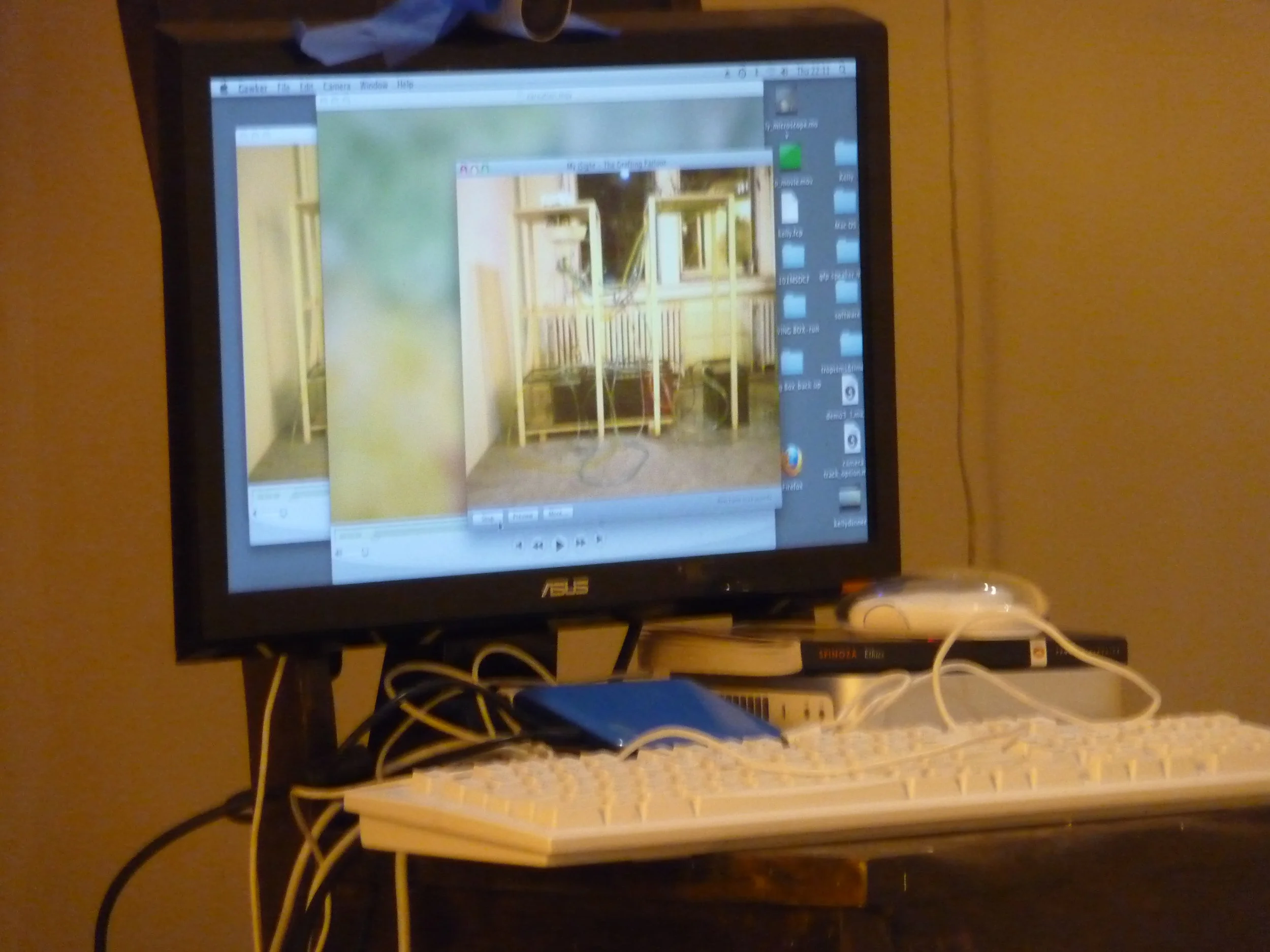
The installation behaves as a kind of organism or slough-like “neuro-semiotic hub,” expressing emergent behaviour whether pumps and motors are active or dormant. It operates as a distributed system that continuously negotiates balance through multiple variables: timed pumps, drip gauges, light conditions, and daily fluctuations in evaporation. These subtle shifts ensure that the system never fully repeats itself, foregrounding process, duration, and material agency over visual control.
Colour Theory for Carnations proposes painting as an ecological practice, one that listens, adjusts, and coexists with material processes rather than mastering them.