
Agar-Agar Architecture, 2010
Living sculptural environment
Collaboration with Alison Reiko Loader
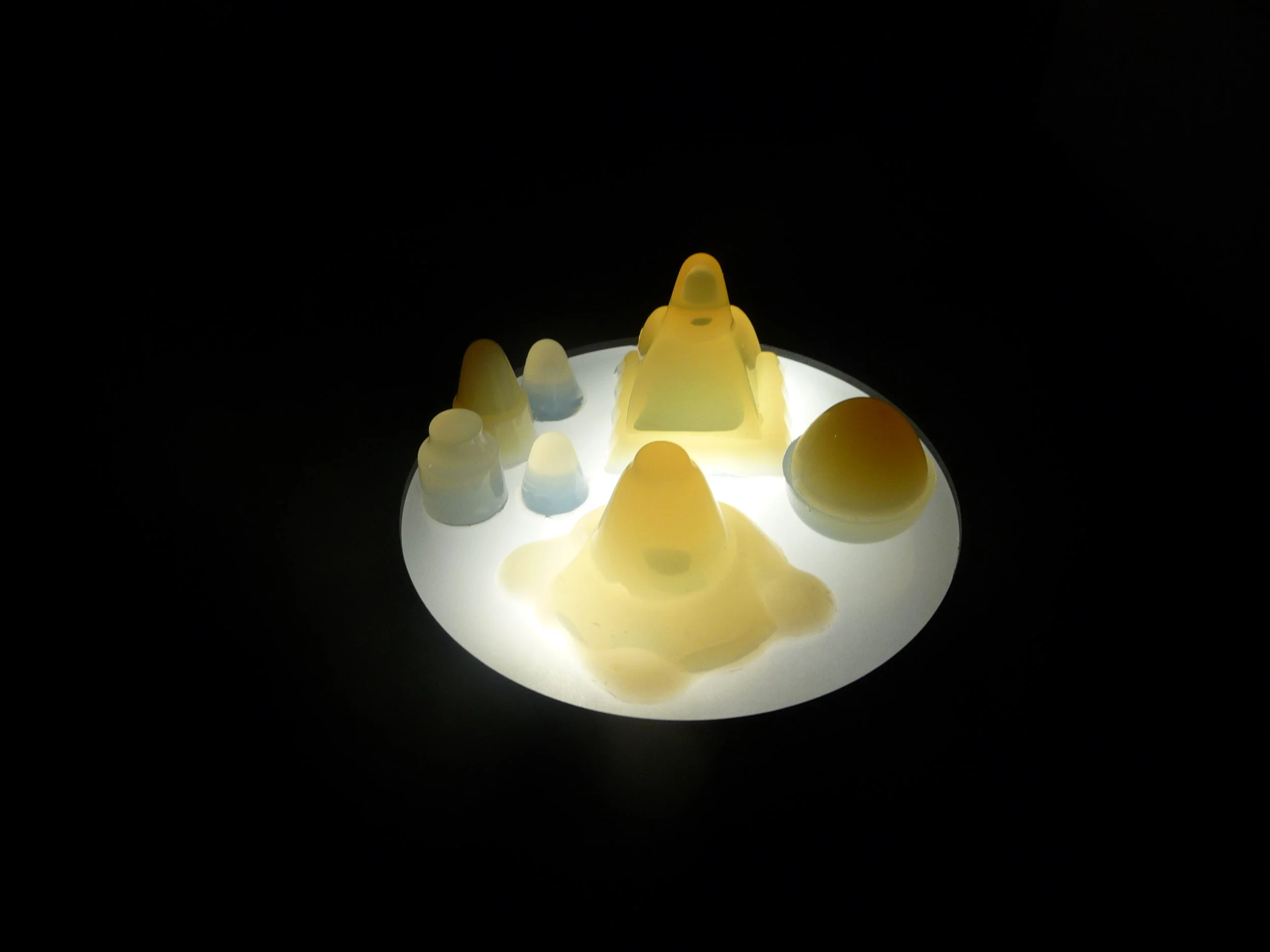
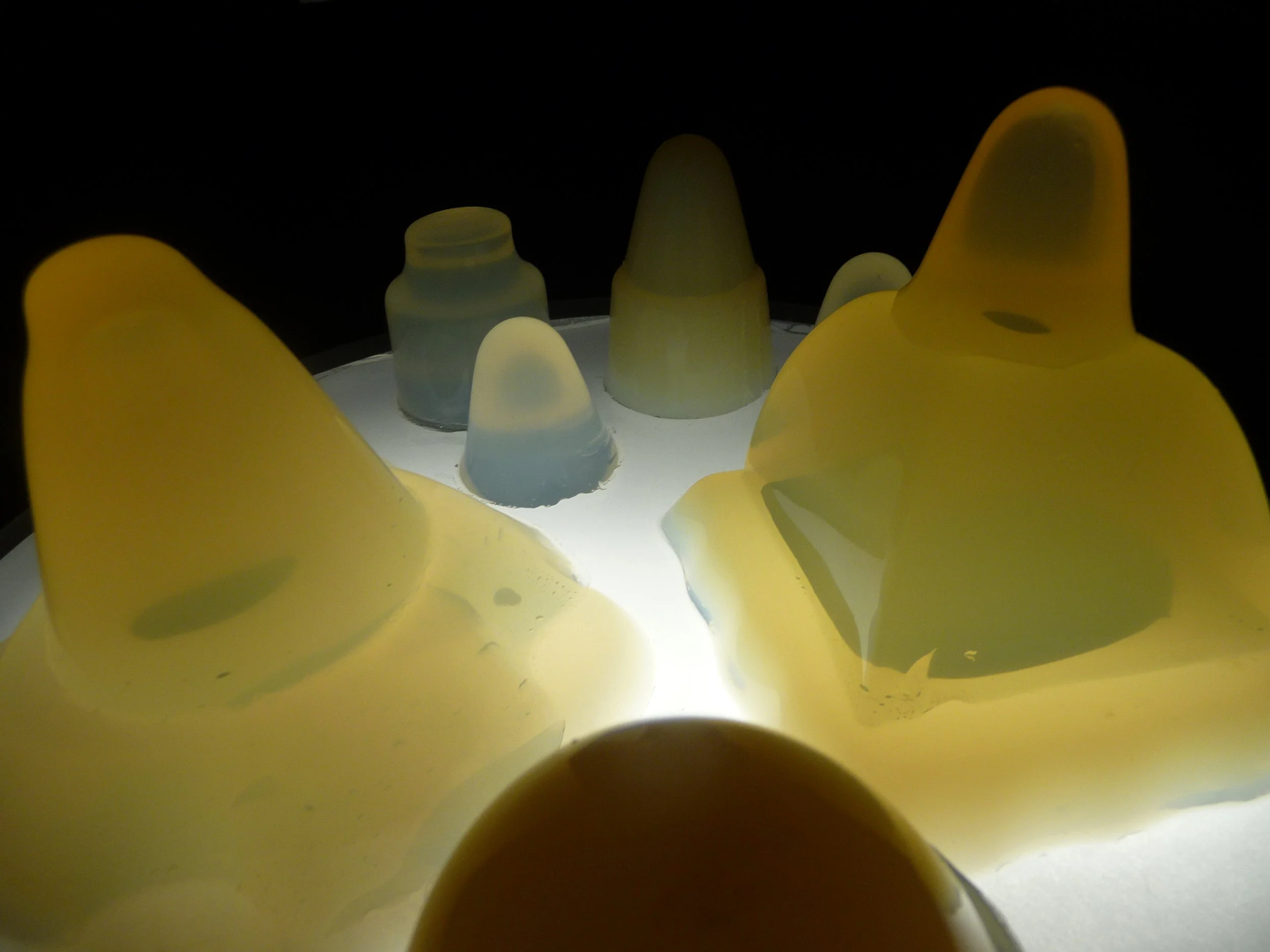
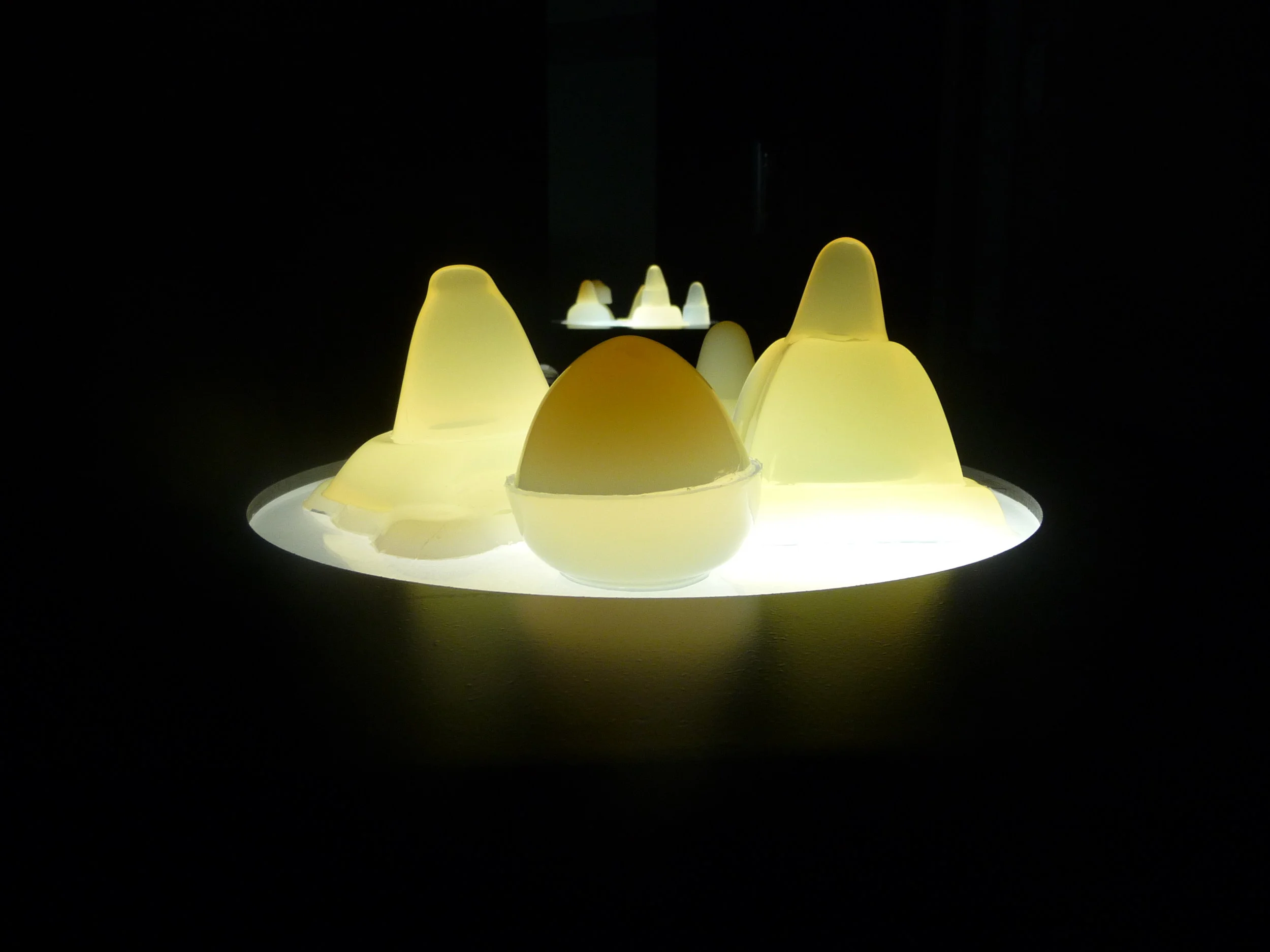
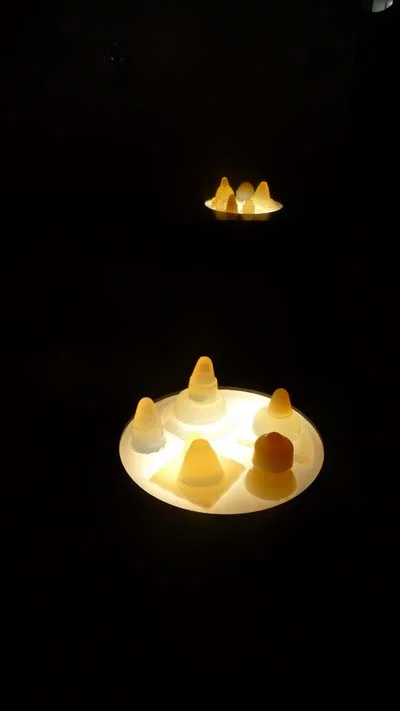
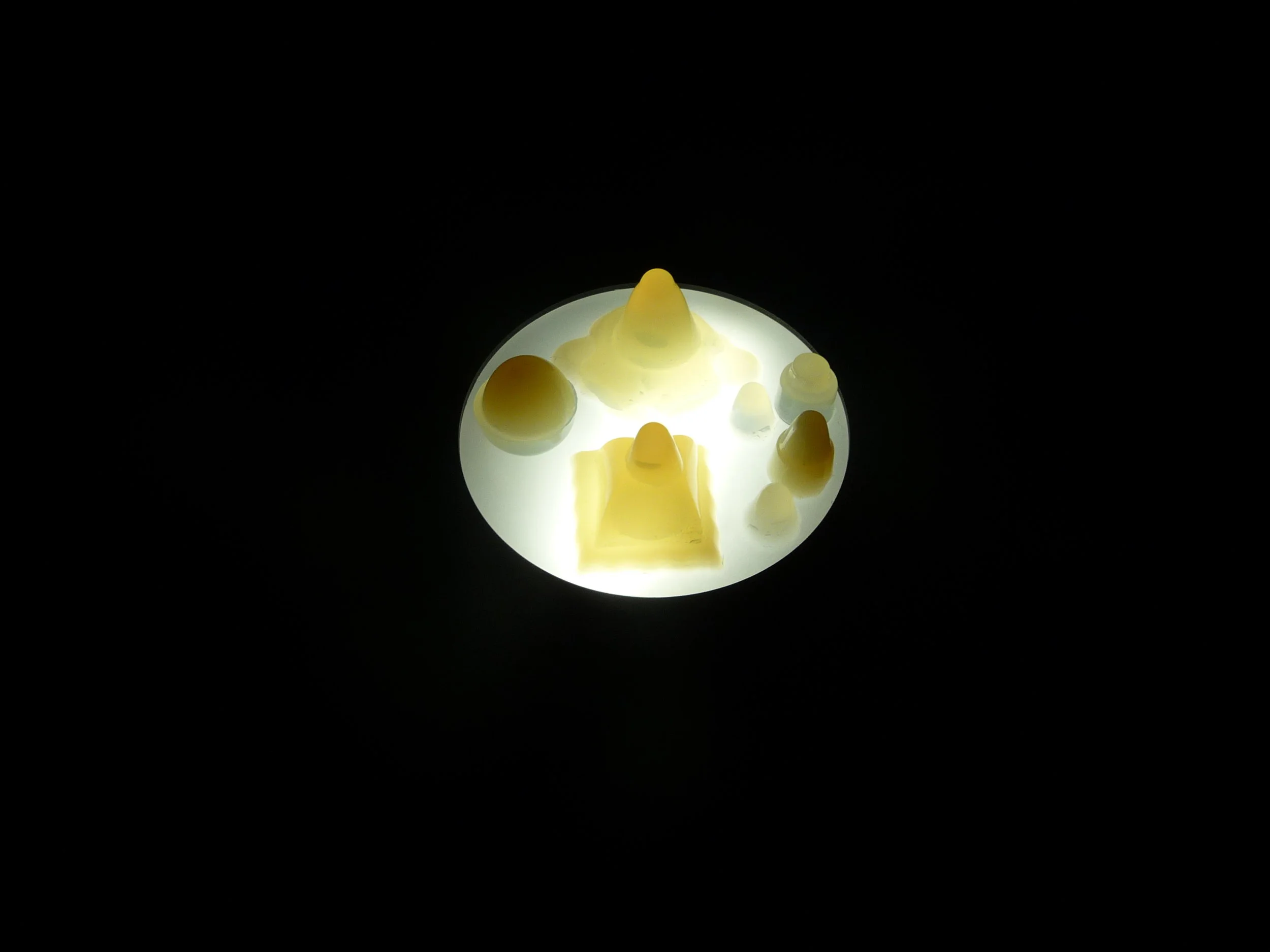
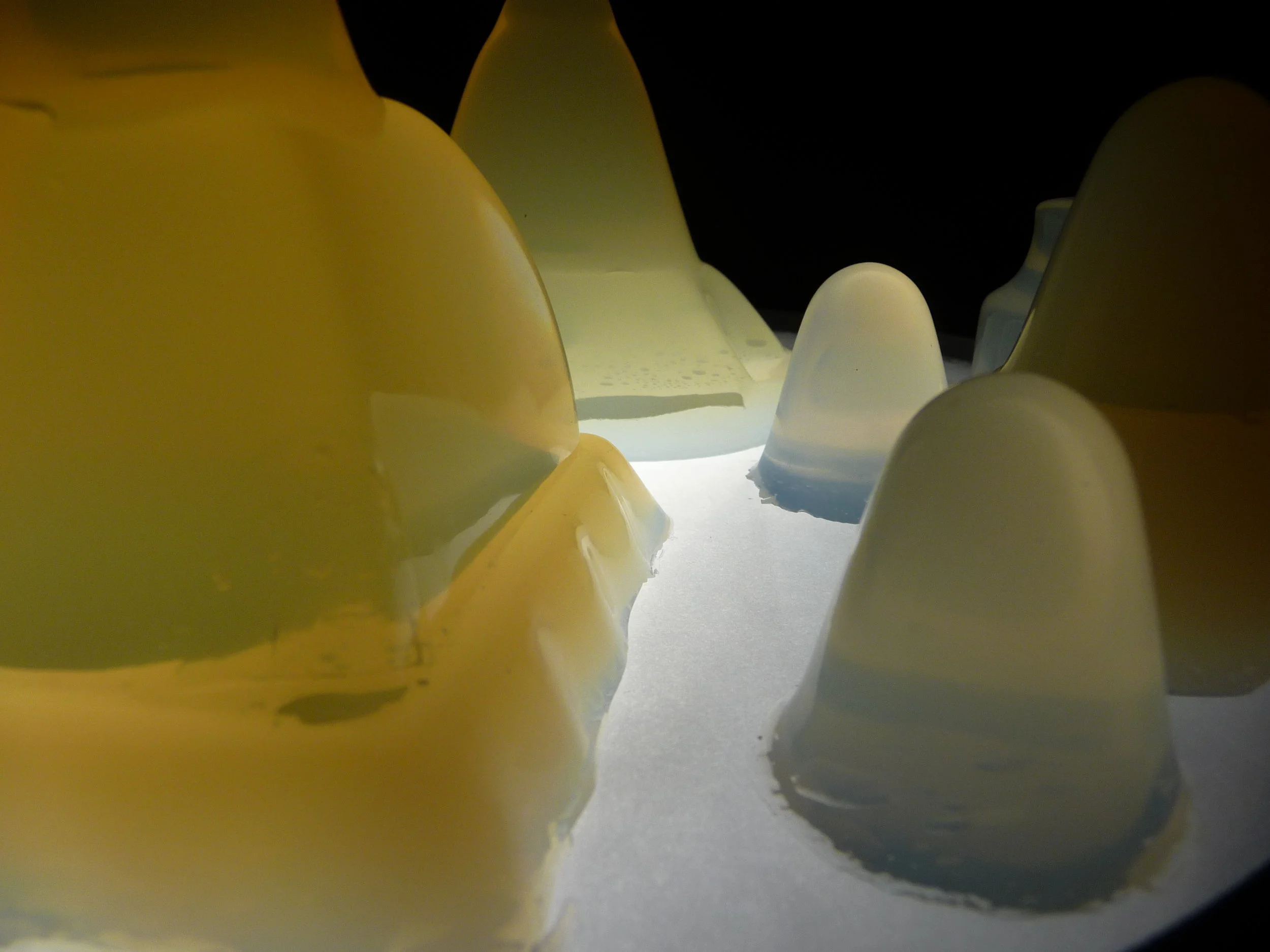
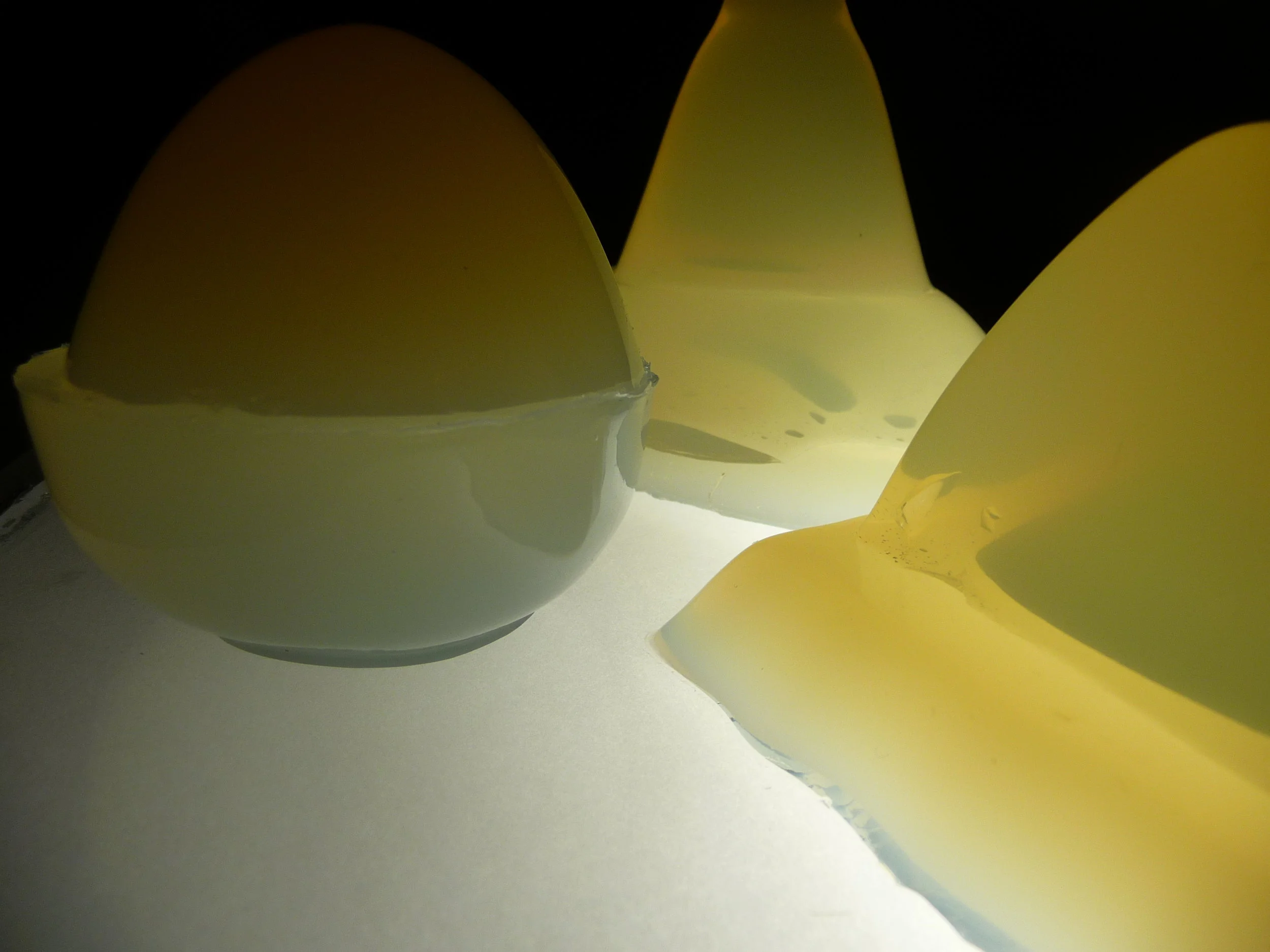
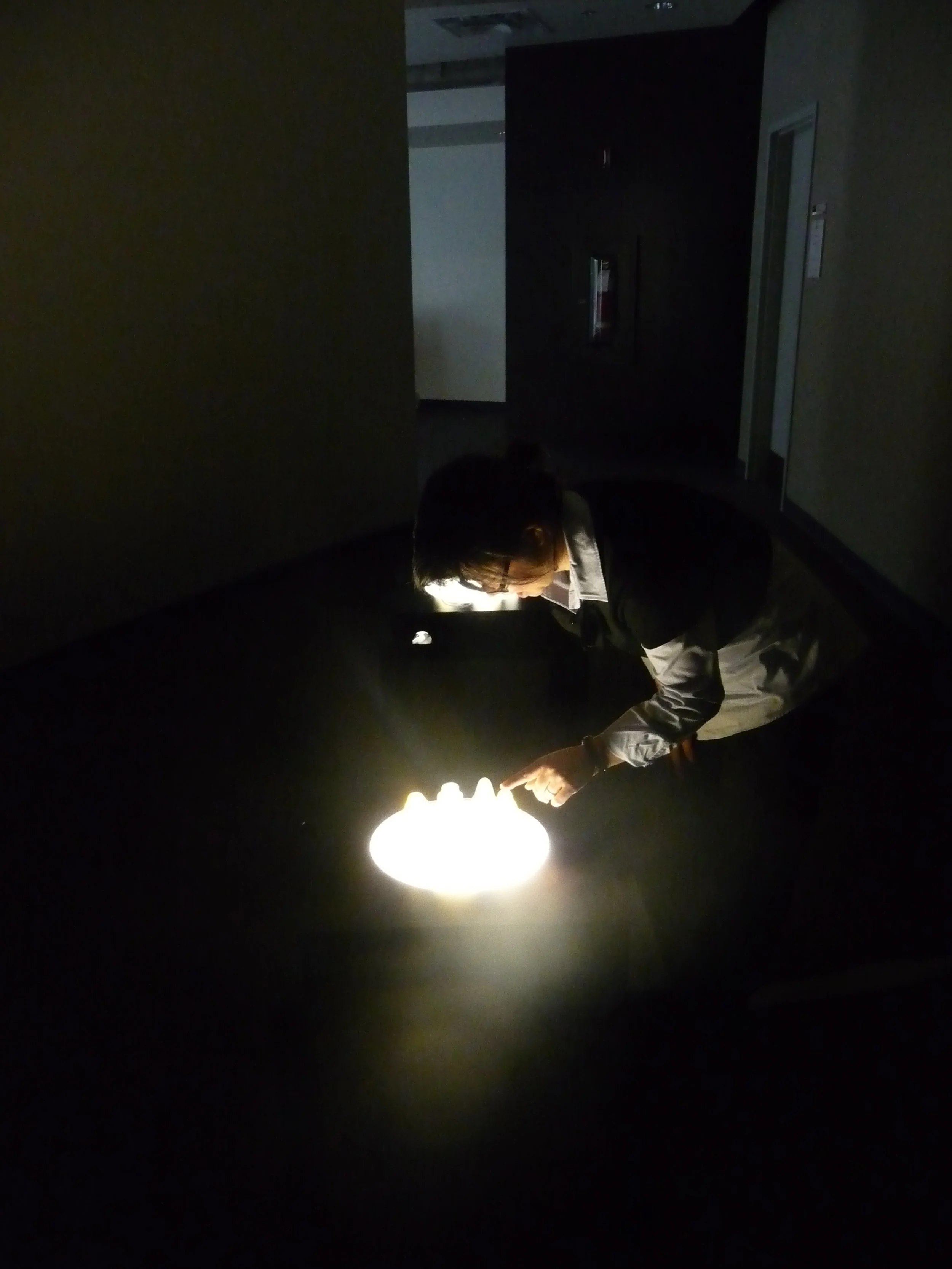
Agar-Agar Architecture (2010) was a living sculptural environment that explores speculative forms of architecture built from biological matter. The work takes the form of an abstract, semi-solid structure composed of agar (a gel derived from seaweed) activated with sugar and nutrients. Neither fully solid nor fully liquid, the agar medium functions as both material and metaphor: unstable, responsive, and temporally bound.
Rather than proposing architecture as a static, durable enclosure, Agar-Agar Architecture imagines built form as something porous, ephemeral, and alive. The work challenges modernist ideals of permanence and control by foregrounding decay, permeability, and transformation as core architectural principles. Over time, the agar structure shifts, dries, cracks, and invites microbial activity, emphasizing architecture as a process rather than an object.
The conceptual and material prototype for this project was developed during Fluxmedia’s BioreMEDIAtion workshop at Concordia University in Montréal (October 2010), led by Tagny Duff, Dr. Jennifer Willet, David Khang, Dr. Justin Powlowski, and Stelarc. The workshop emphasized experimental bio-media practices and hands-on engagement with living systems, situating the project within early Canadian bio-art discourse and DIY wet-lab culture.
By using a food-based, marine-derived medium, the project also gestures toward ecological entanglements between oceanic systems, human consumption, and material culture. Agar-Agar Architecture positions living matter not as a novelty, but as a critical collaborator, inviting viewers to consider how future architectures might be grown, tended, and eventually composted rather than constructed and controlled.