FLOCK
Flock
Wearable Technology, Sonar System, Task-Based Performance | 2008–2012
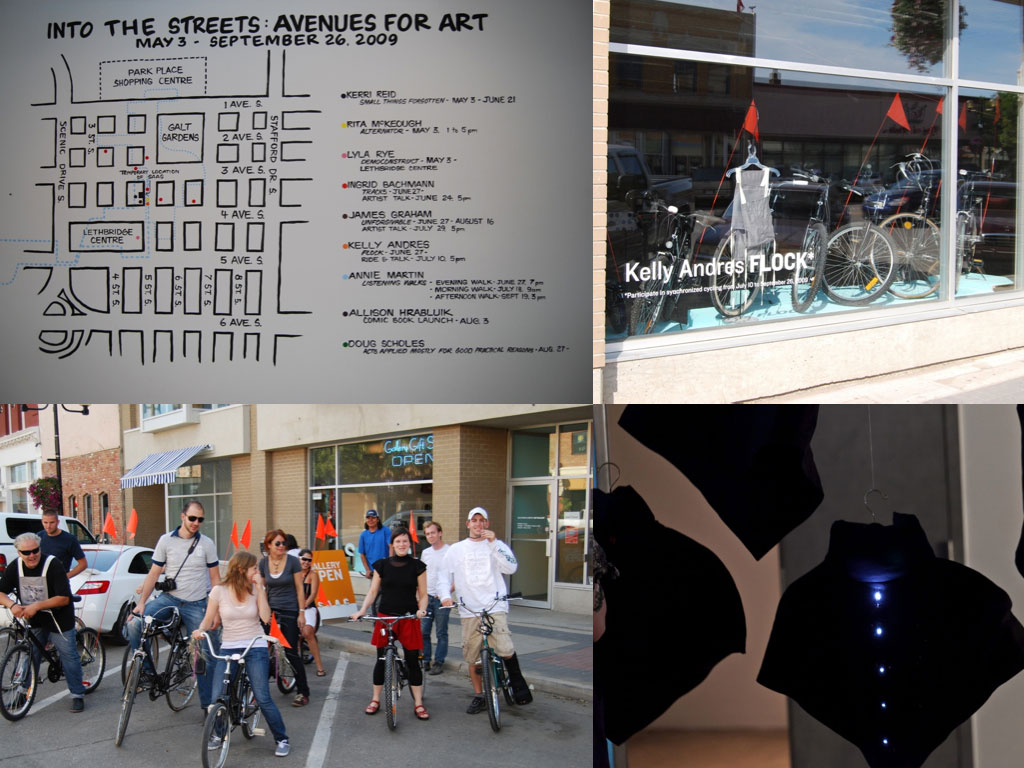
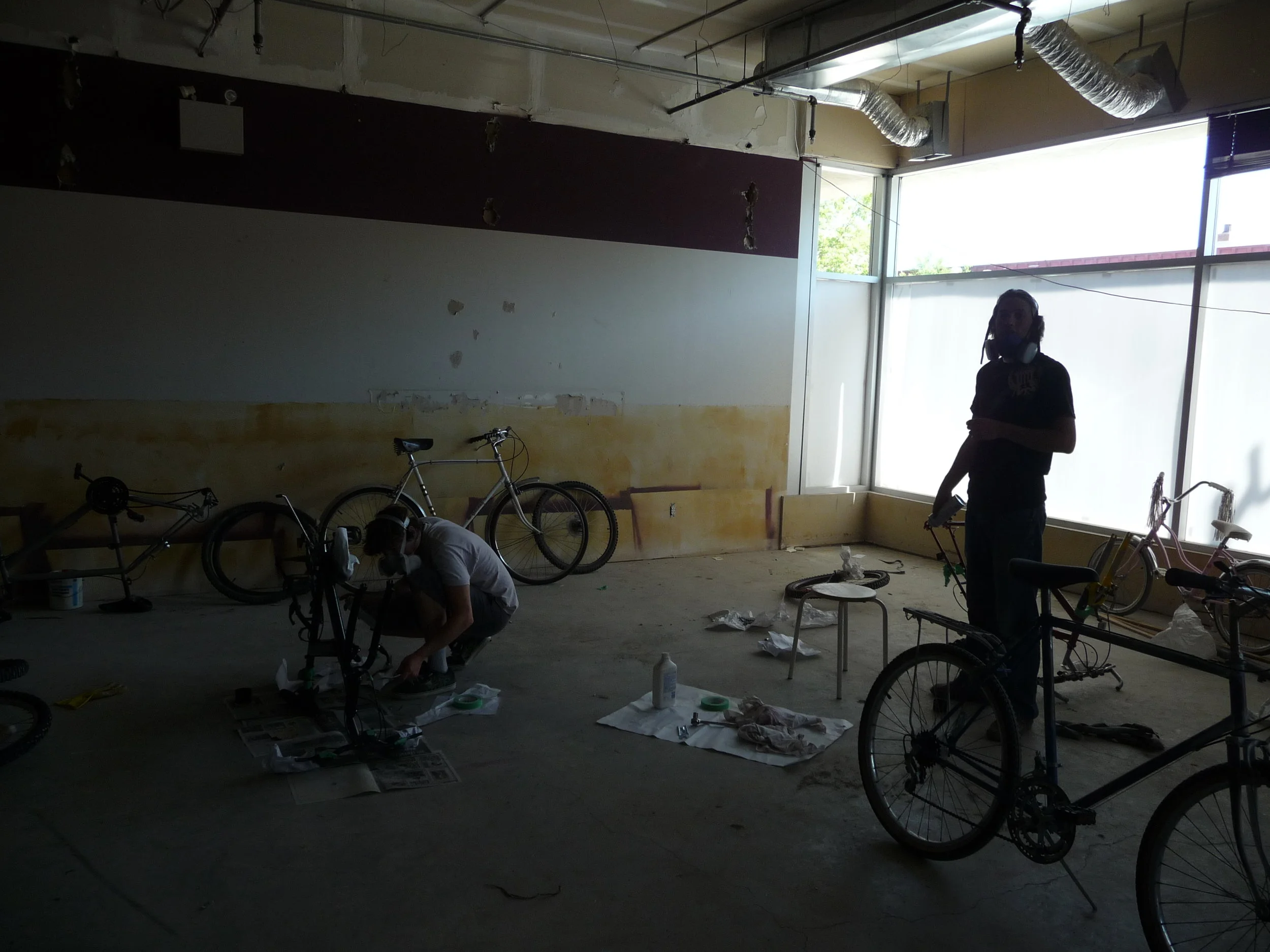
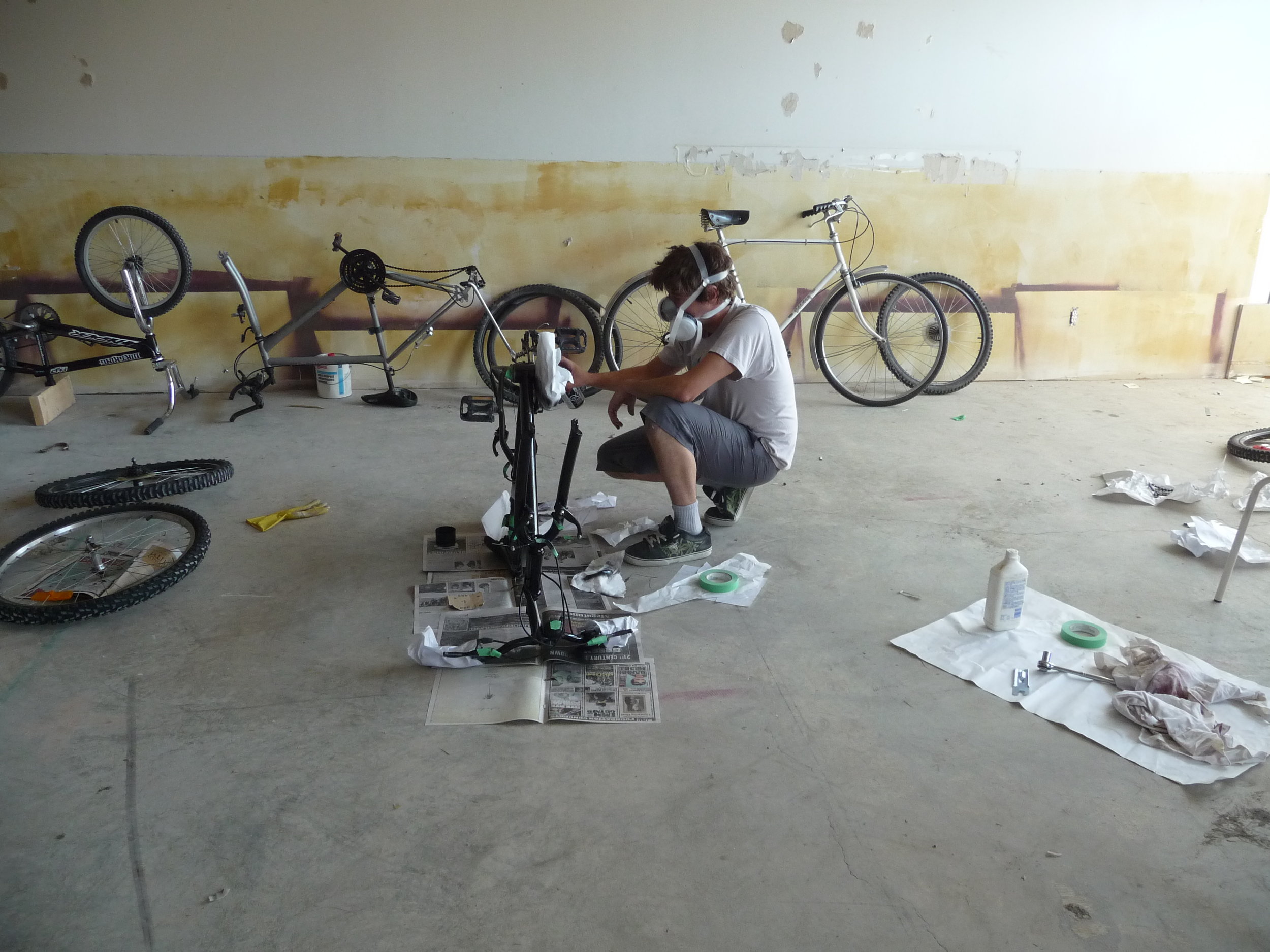
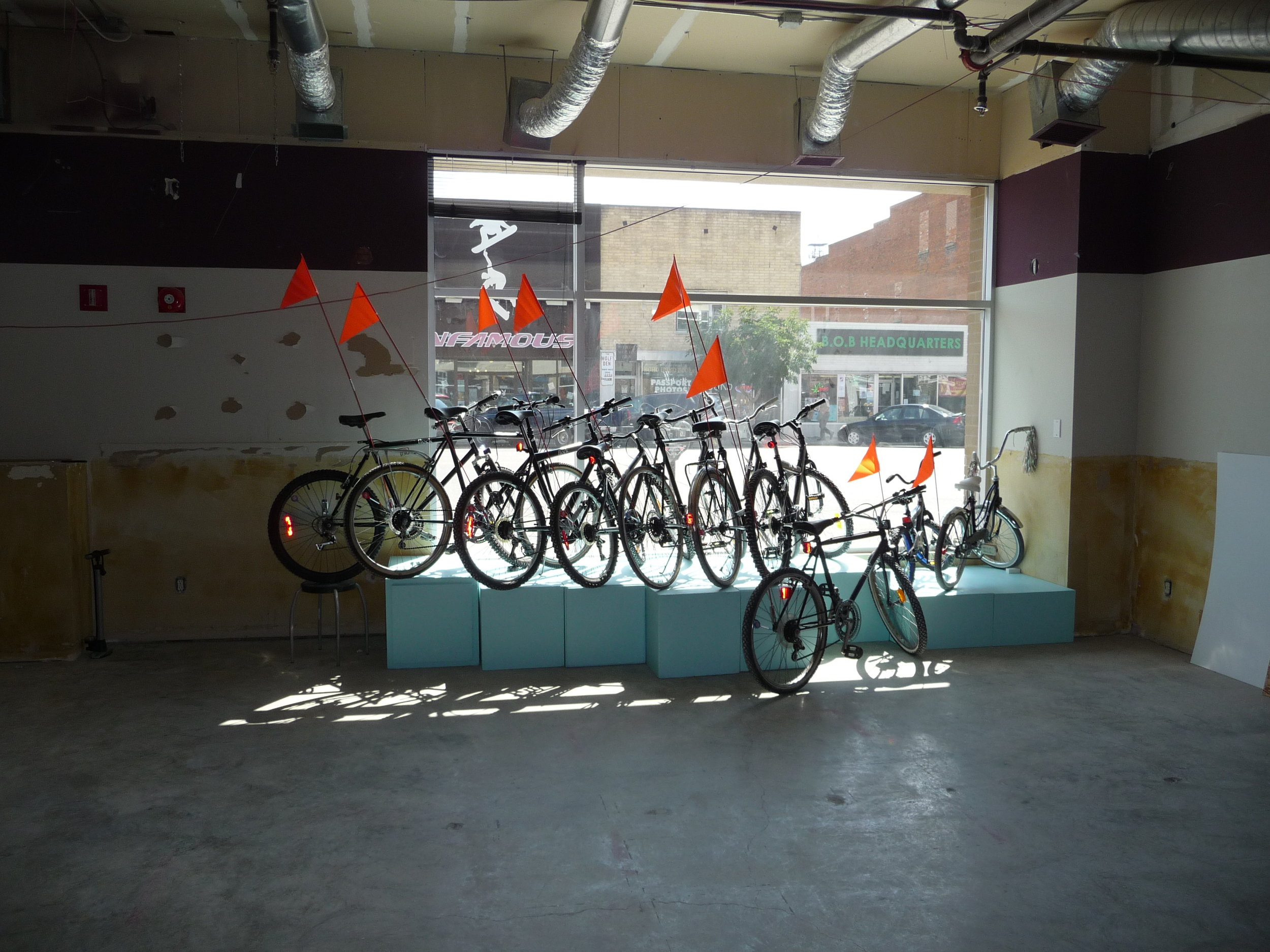
Flock is an exploration of gesture-based communication and collective navigation in public space. Modelled on avian swarm behaviour, the project invites participants to move together through urban environments, streets, alleys, and open corridors, using bicycles, wearable LED capes, and sonar-based proximity sensors.
The work begins with a simple question: How do bodies communicate when verbal language is absent, and when individuals are unfamiliar with one another? Drawing on the everyday “pathway dance” between strangers negotiating narrow walkways, Flock investigates how people intuitively read one another’s micro-gestures, hesitations, and directional cues.
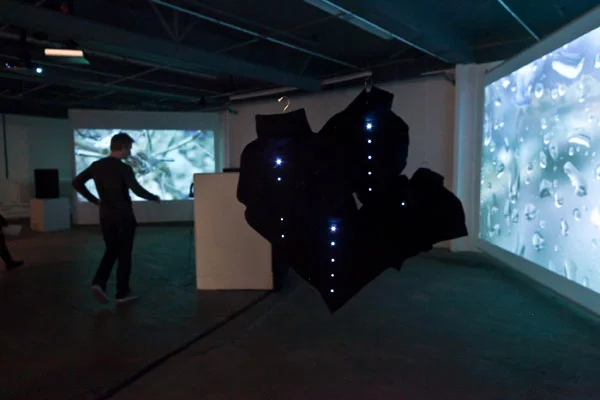
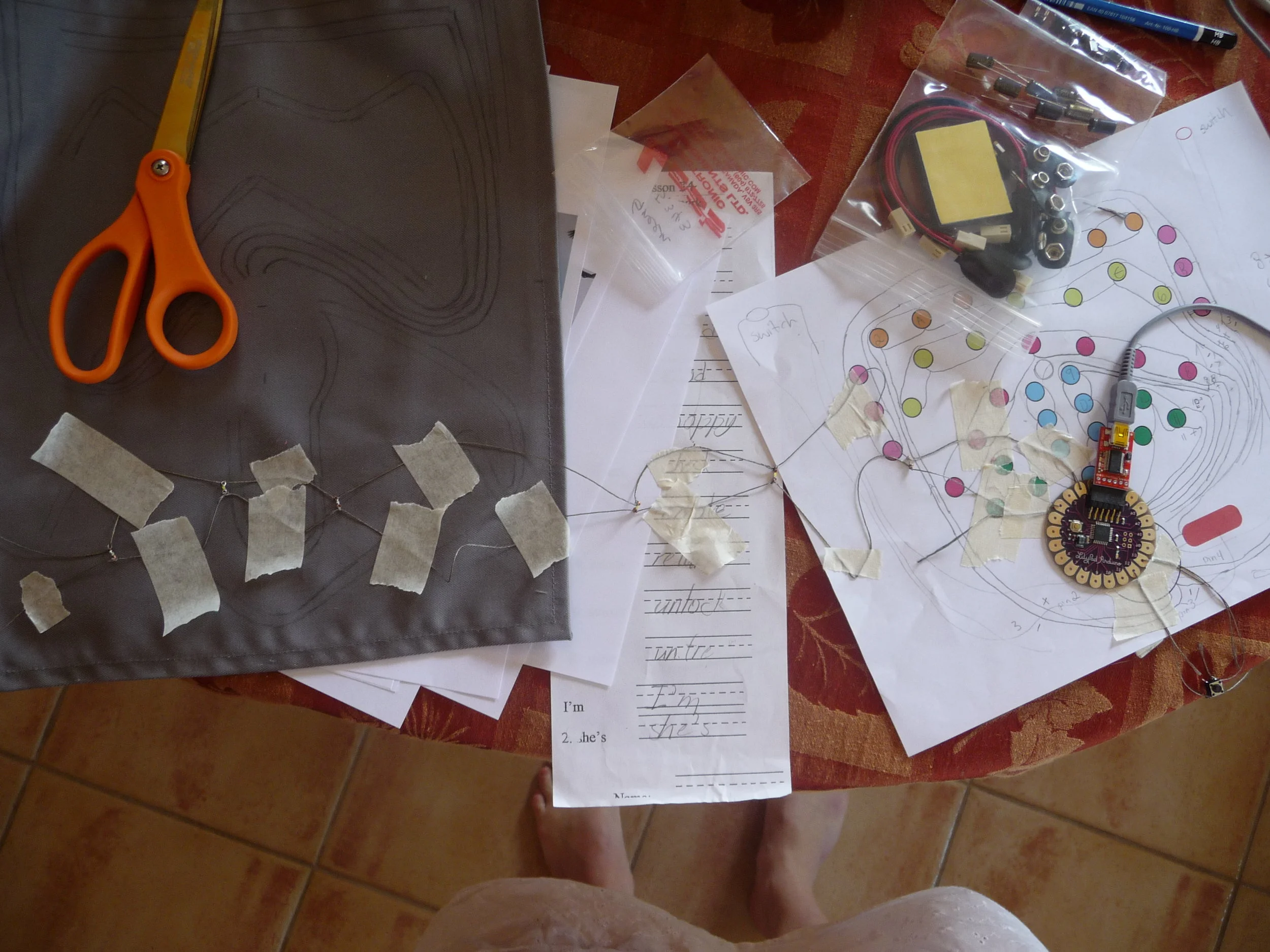
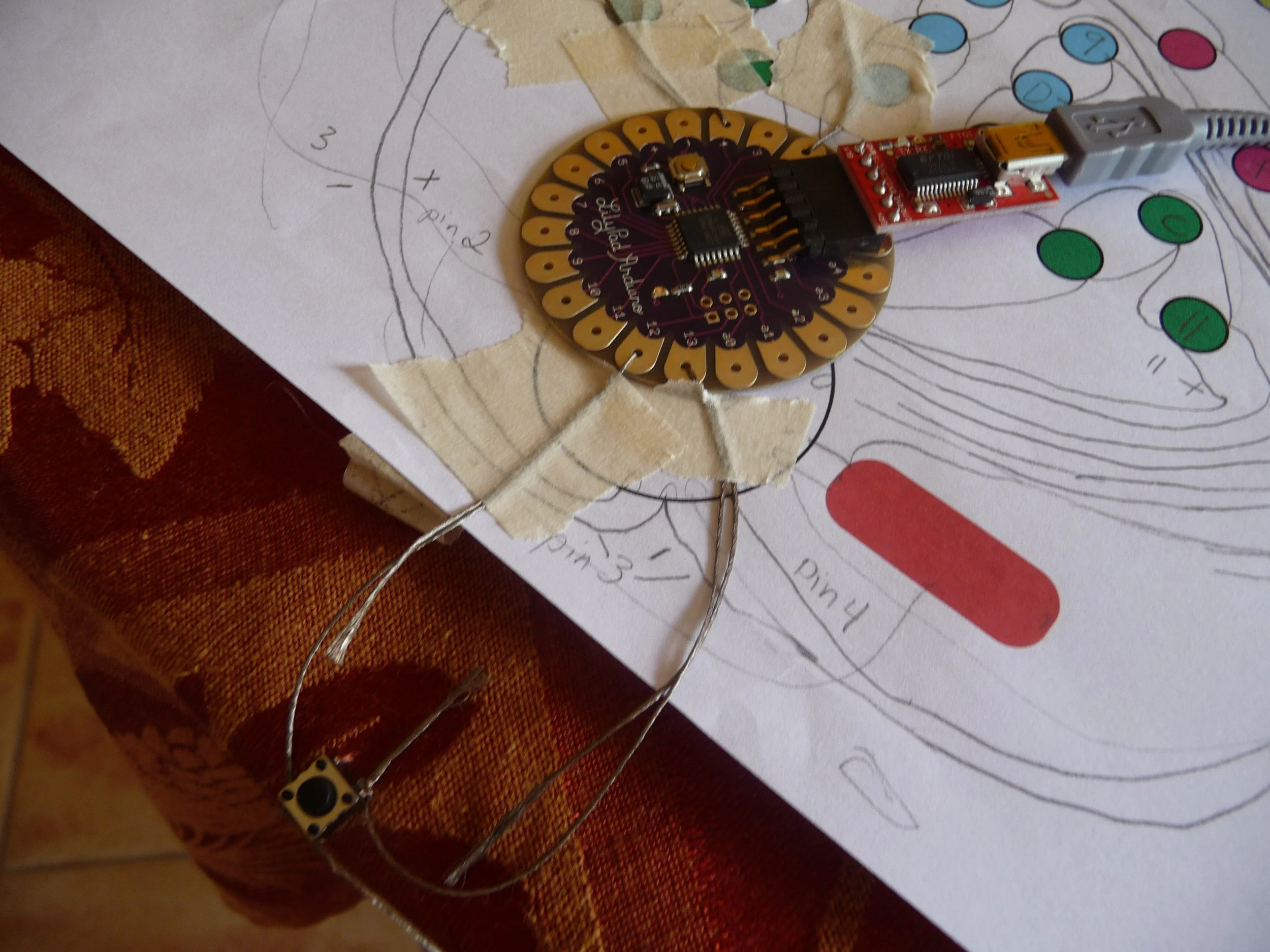
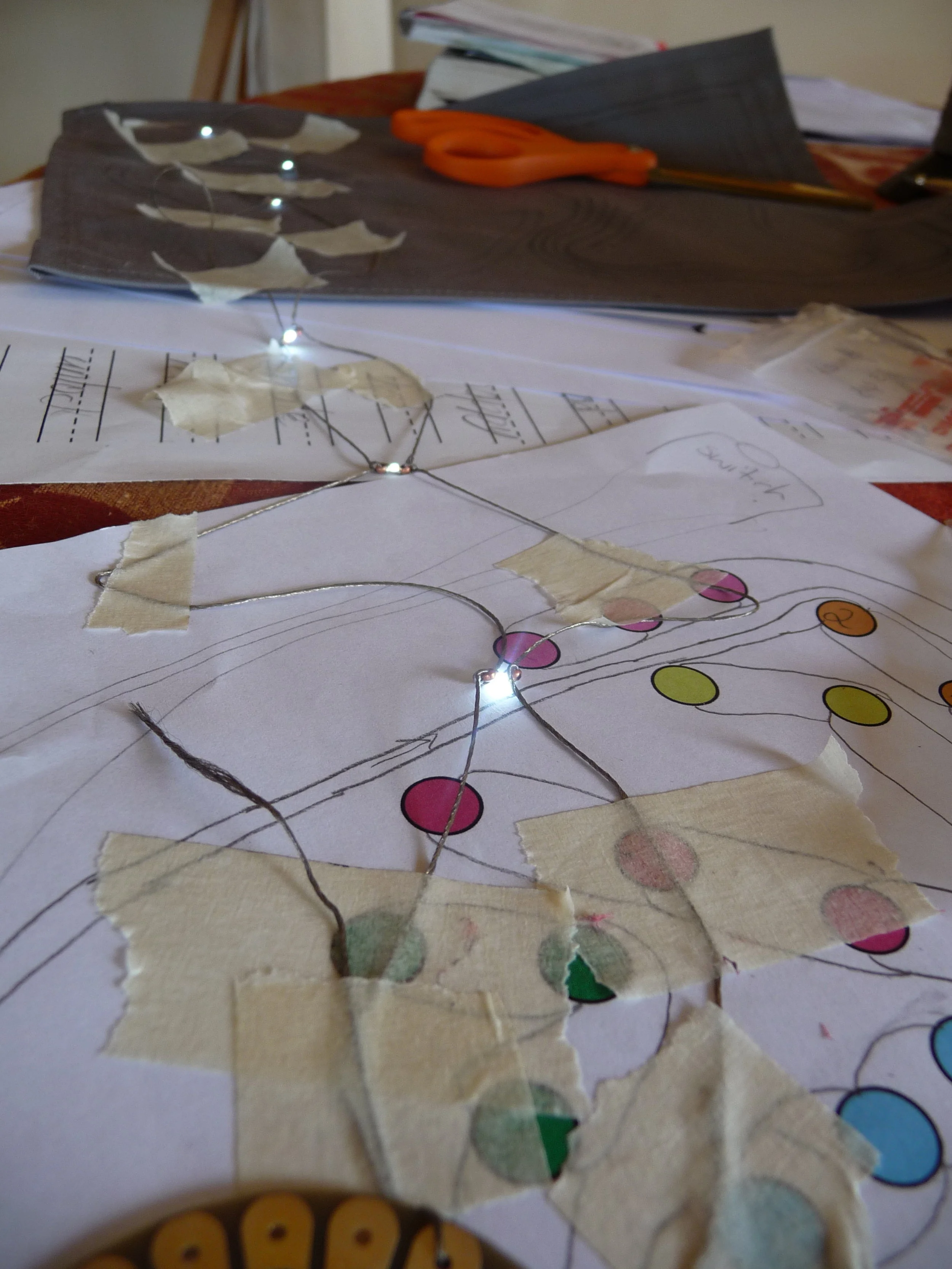
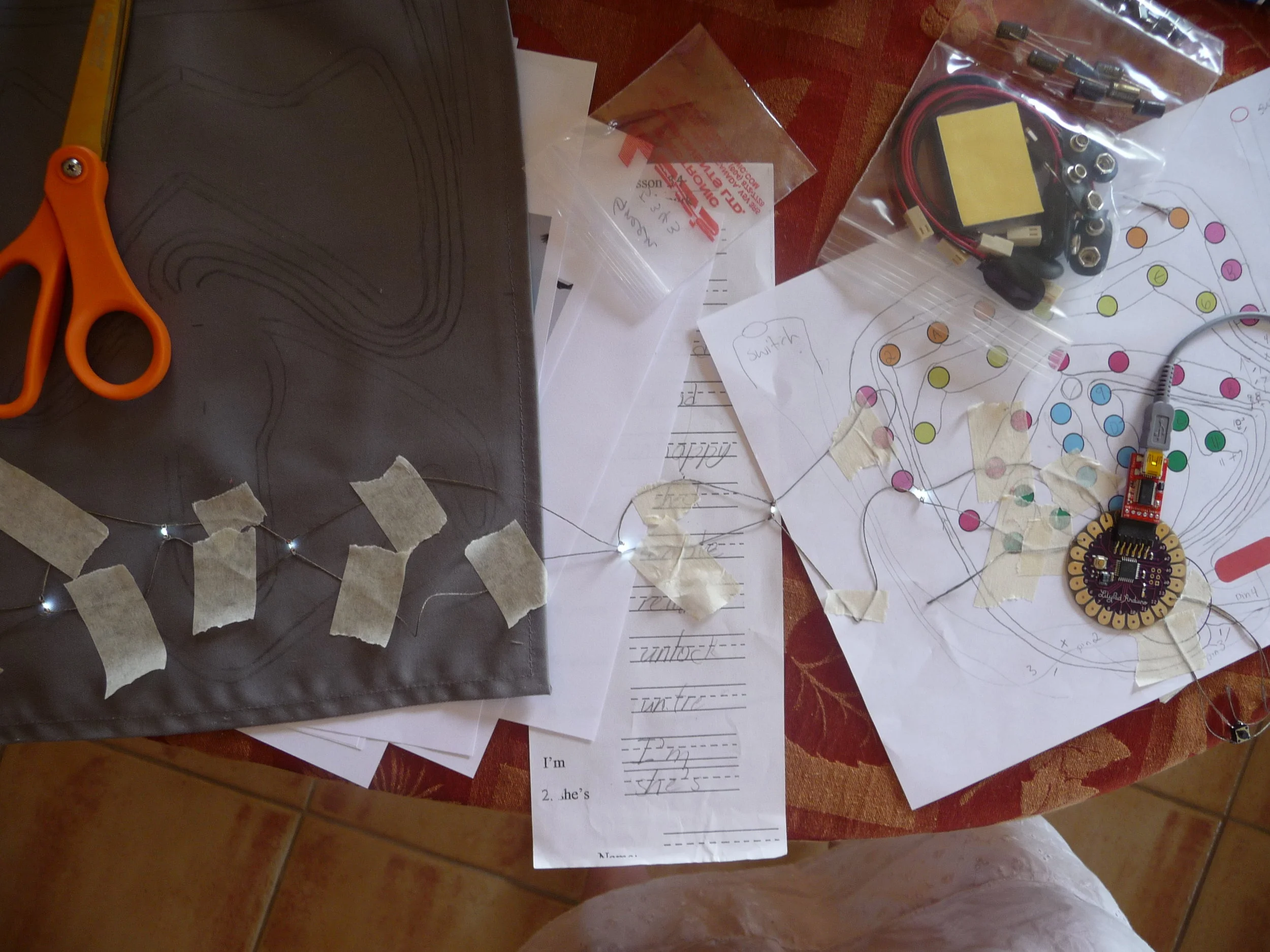
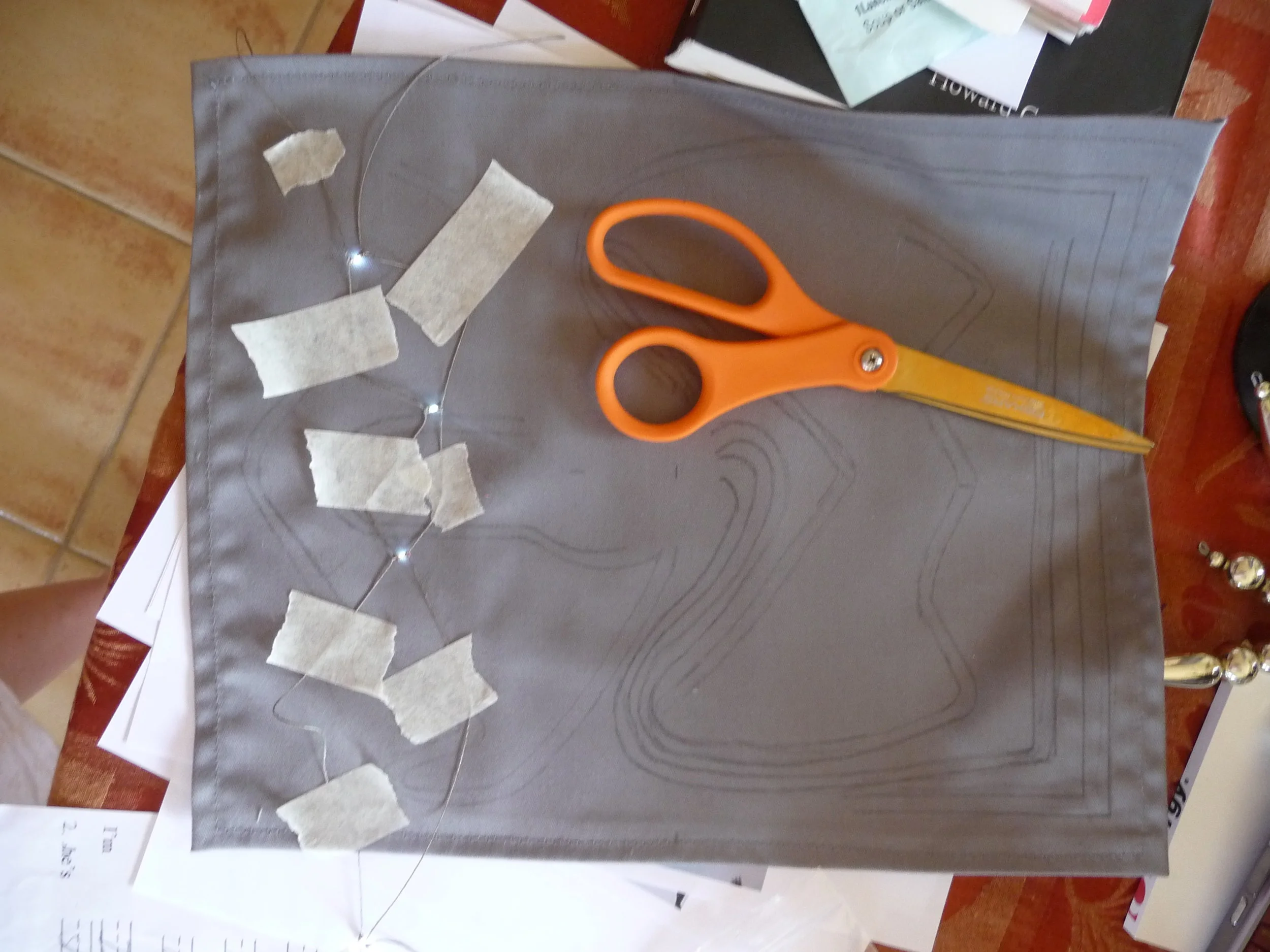
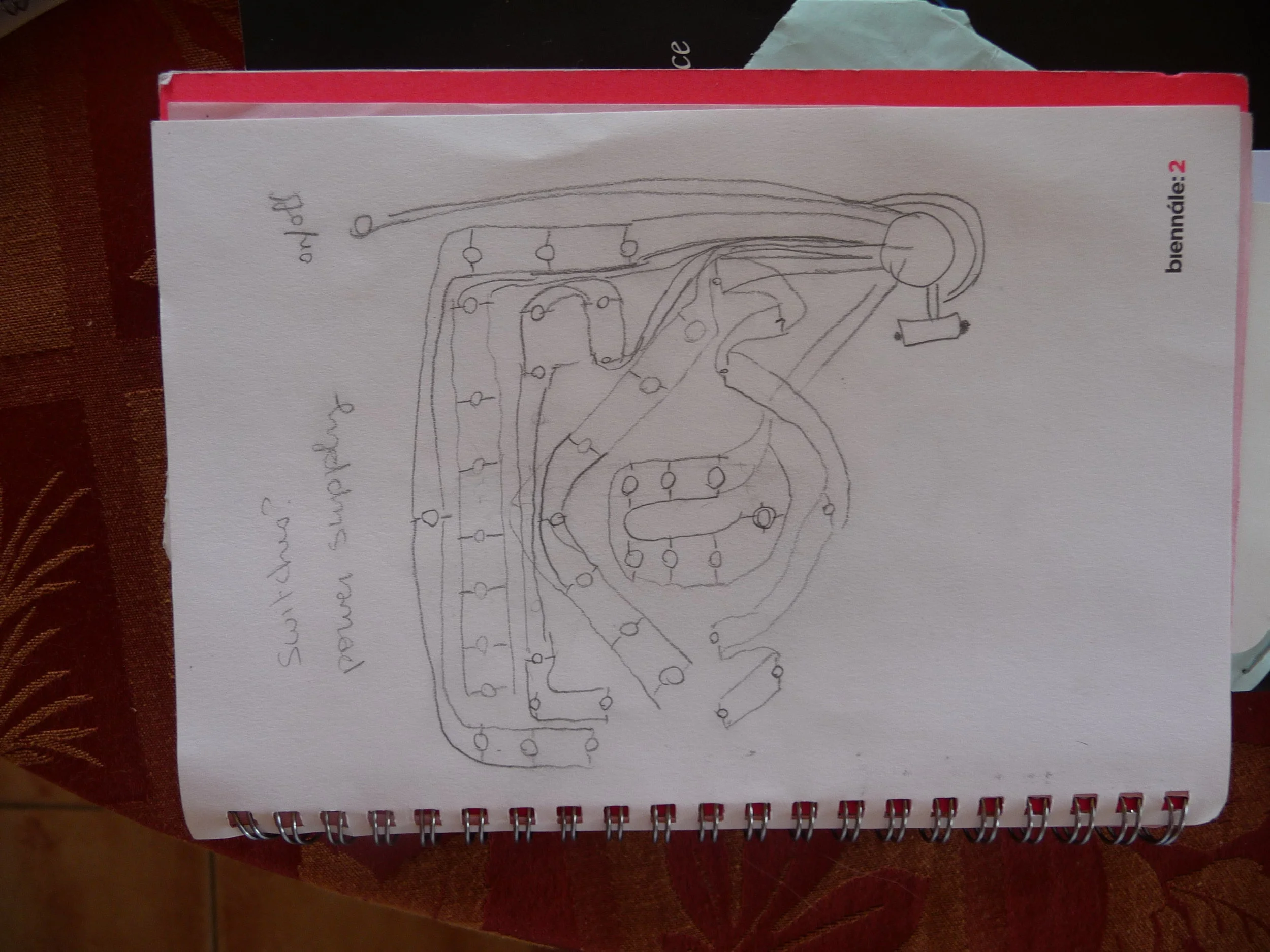
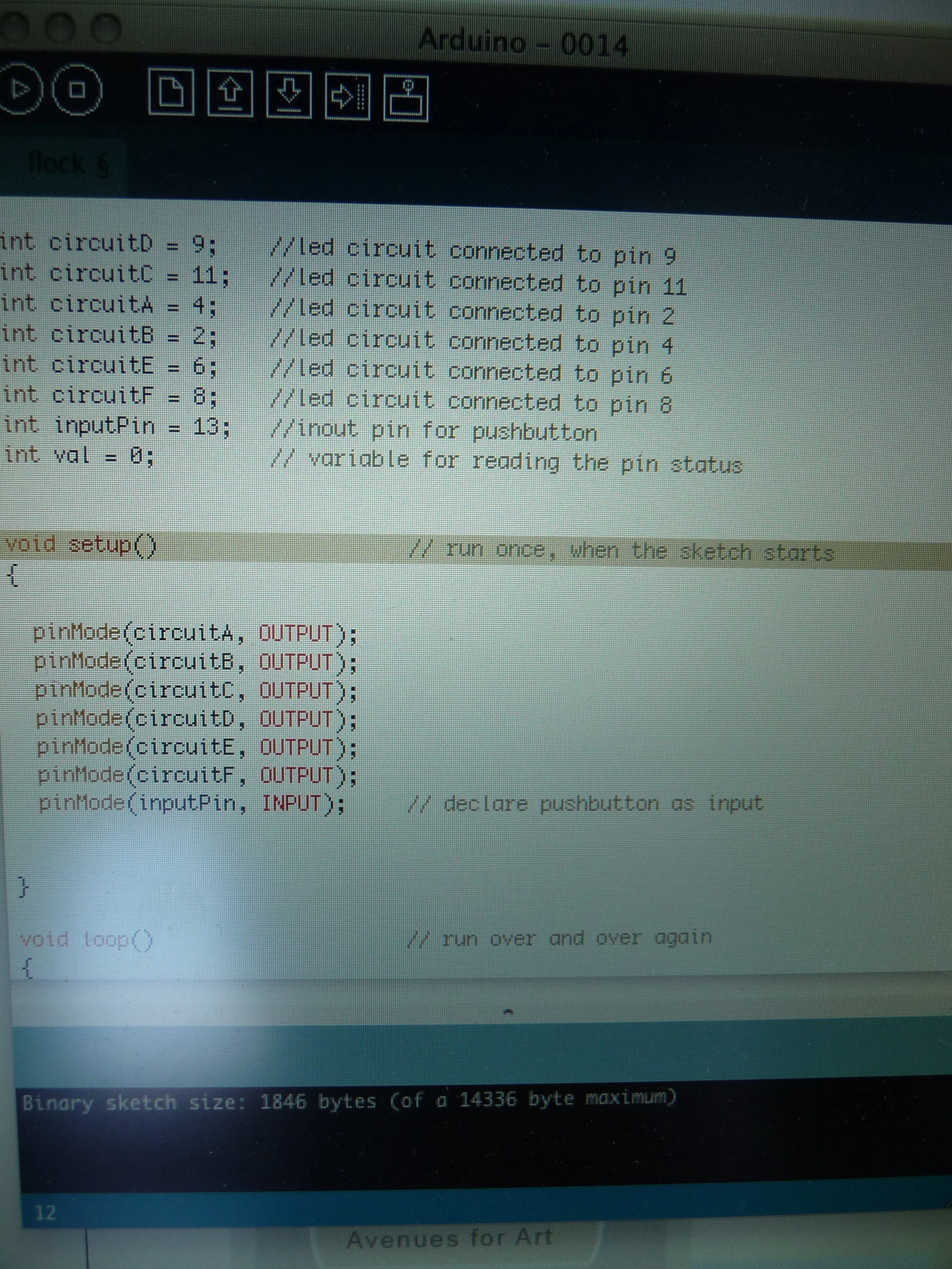
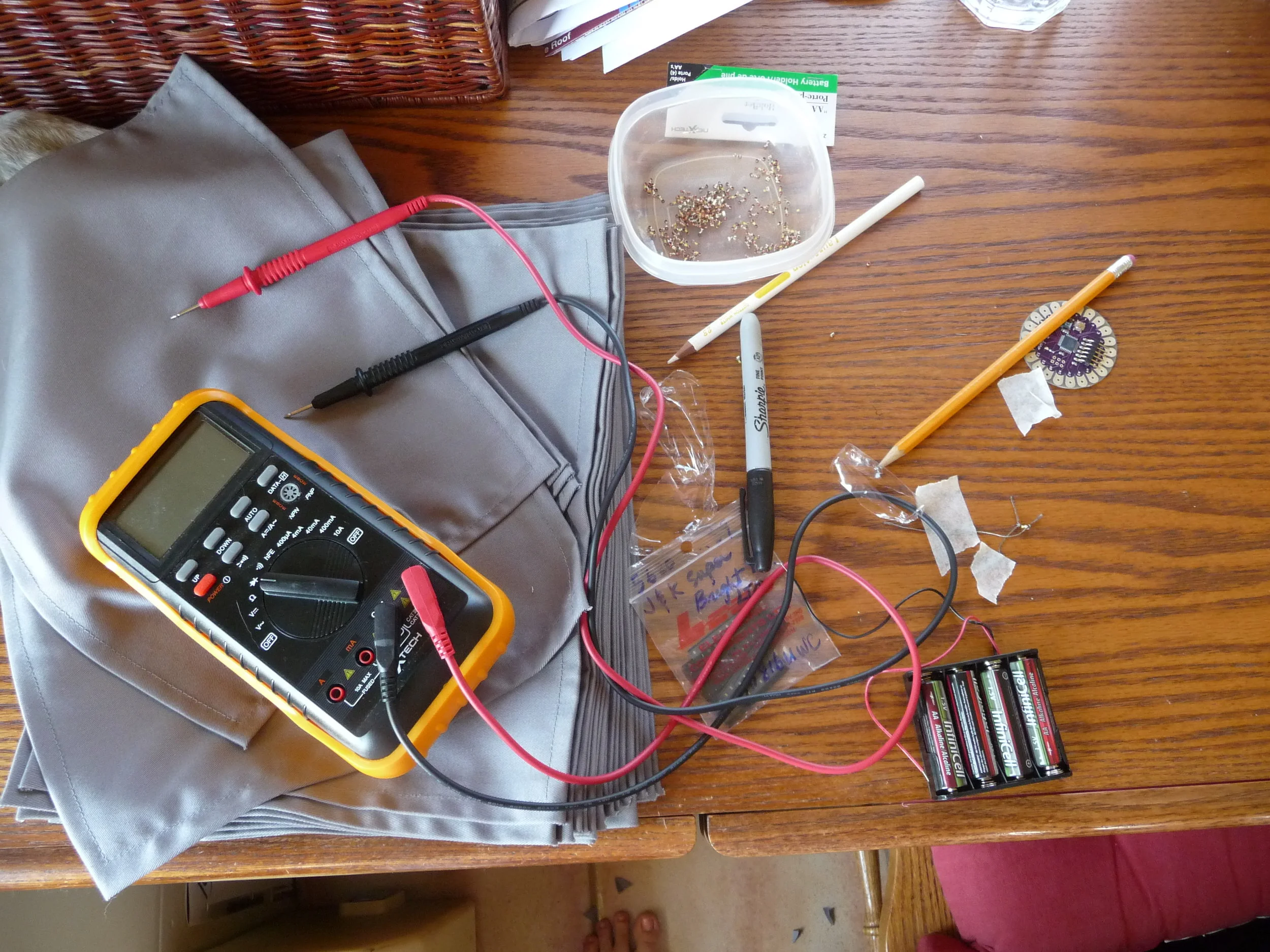
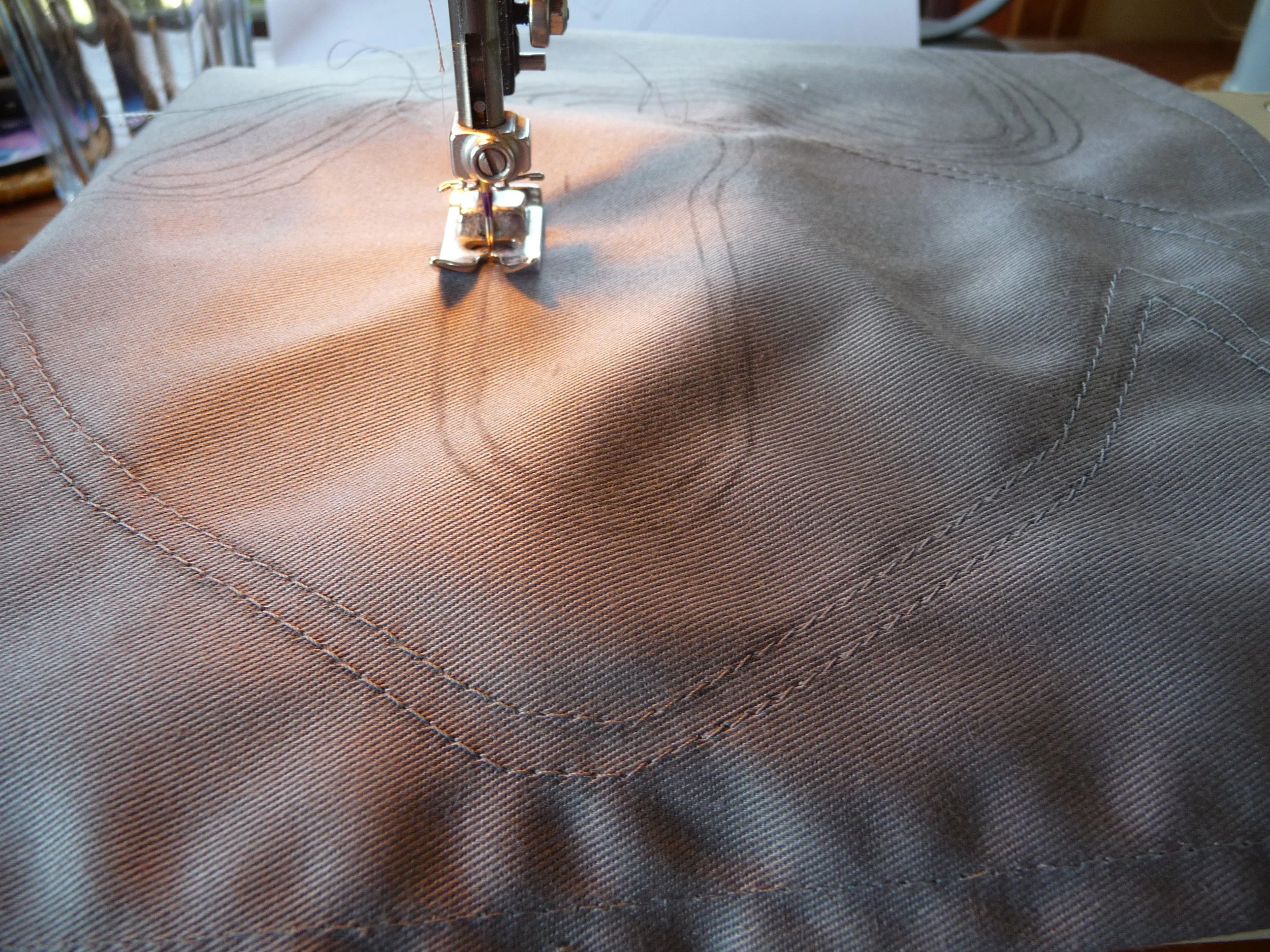
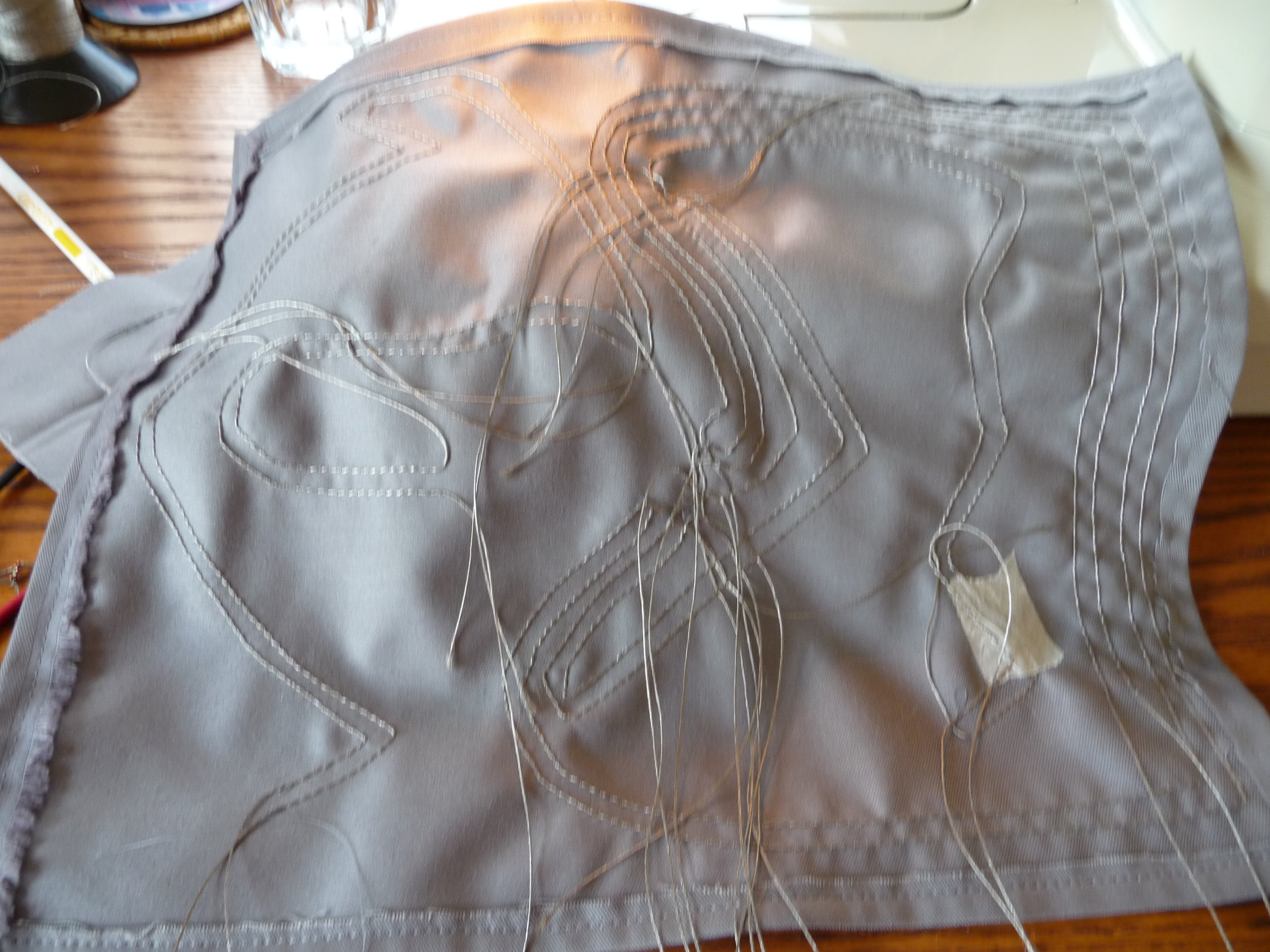
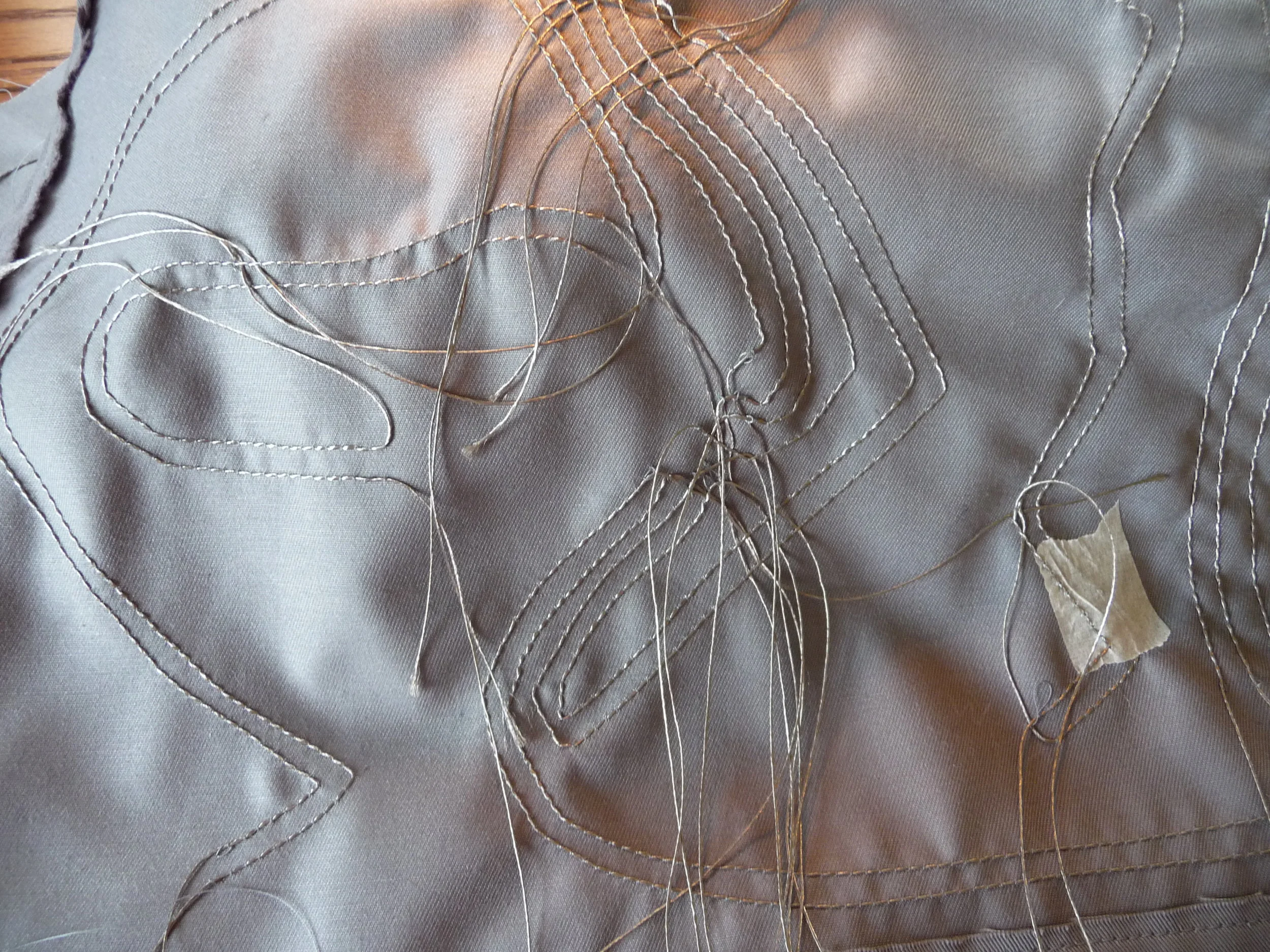
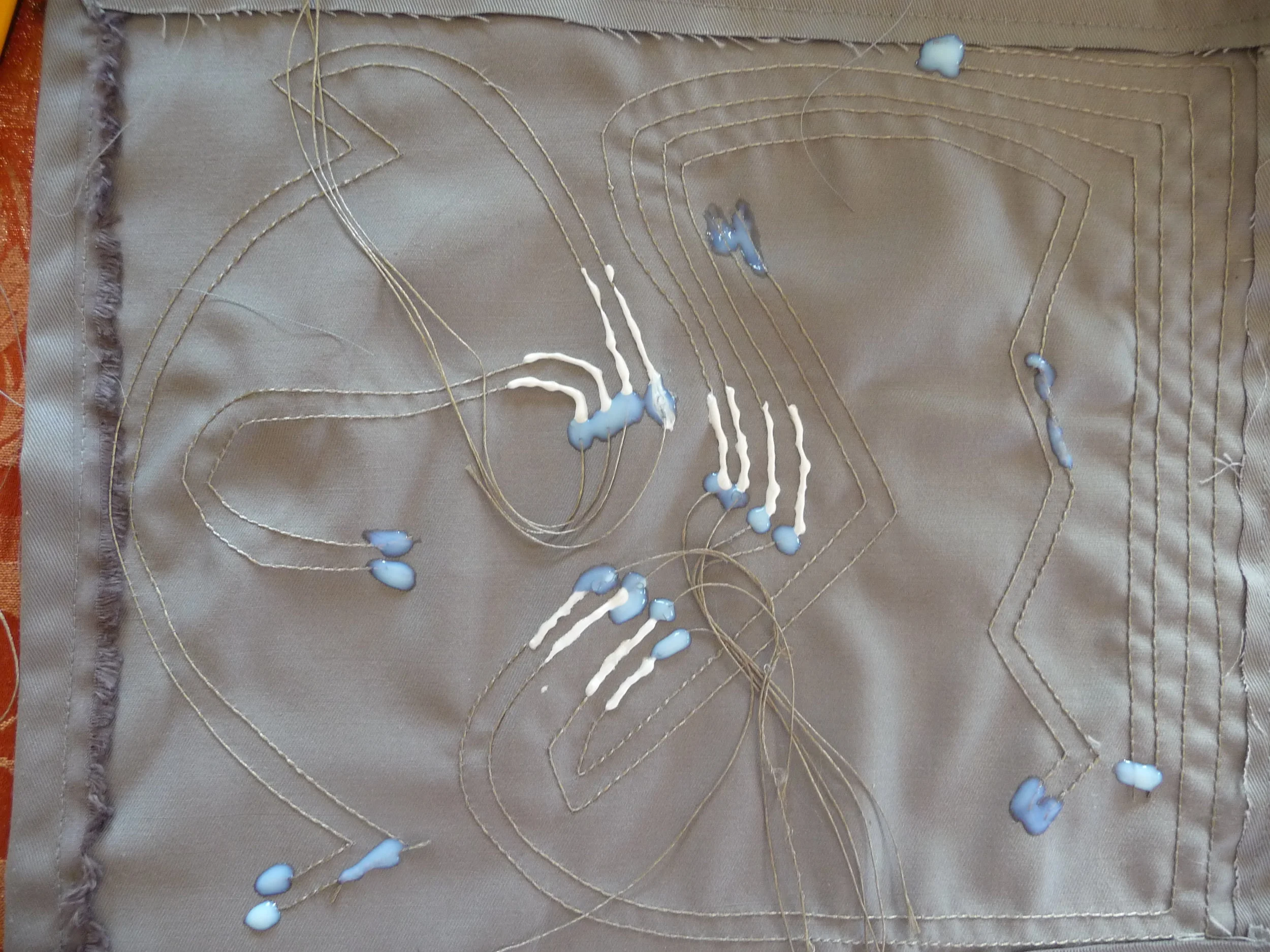
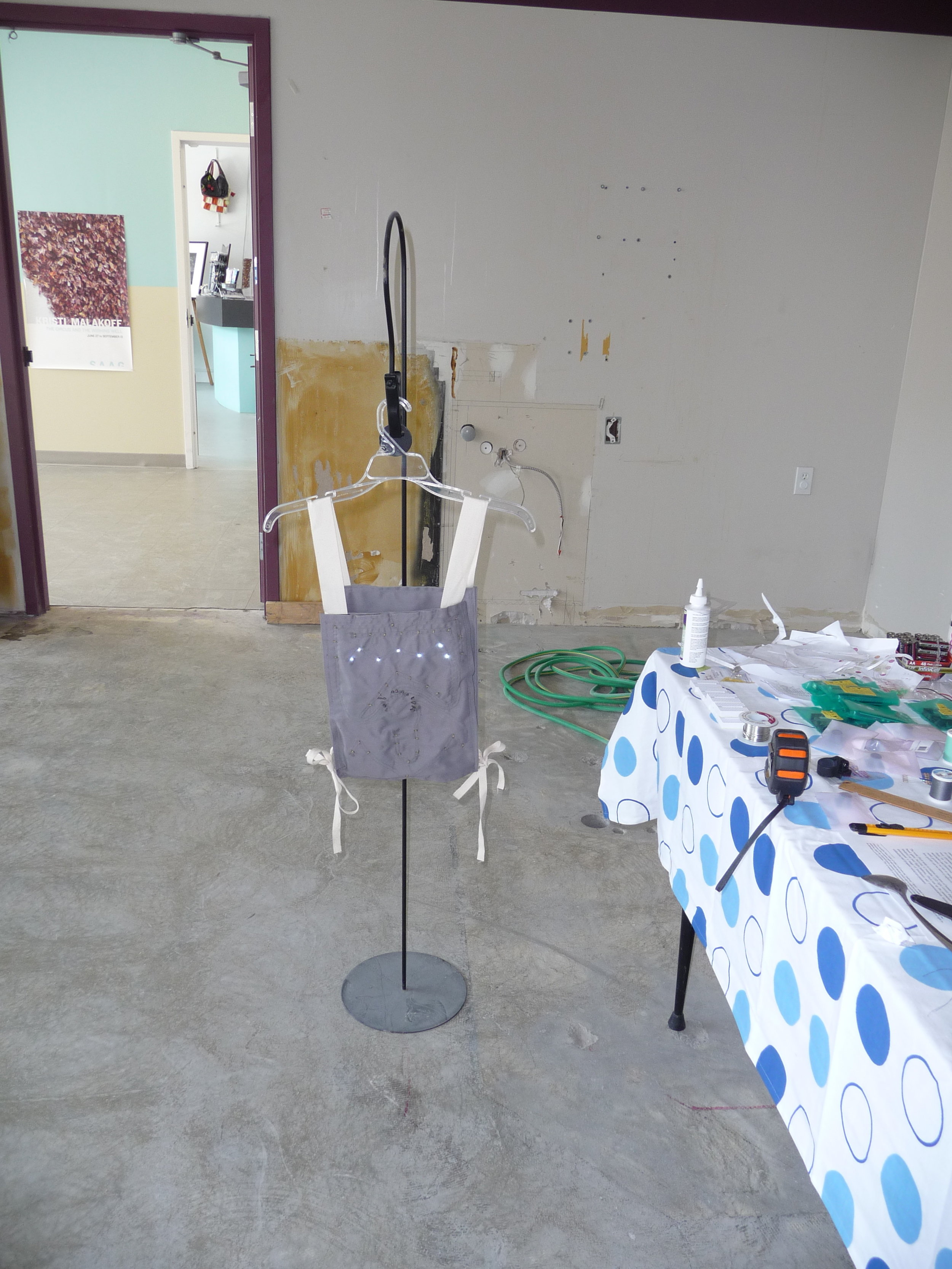
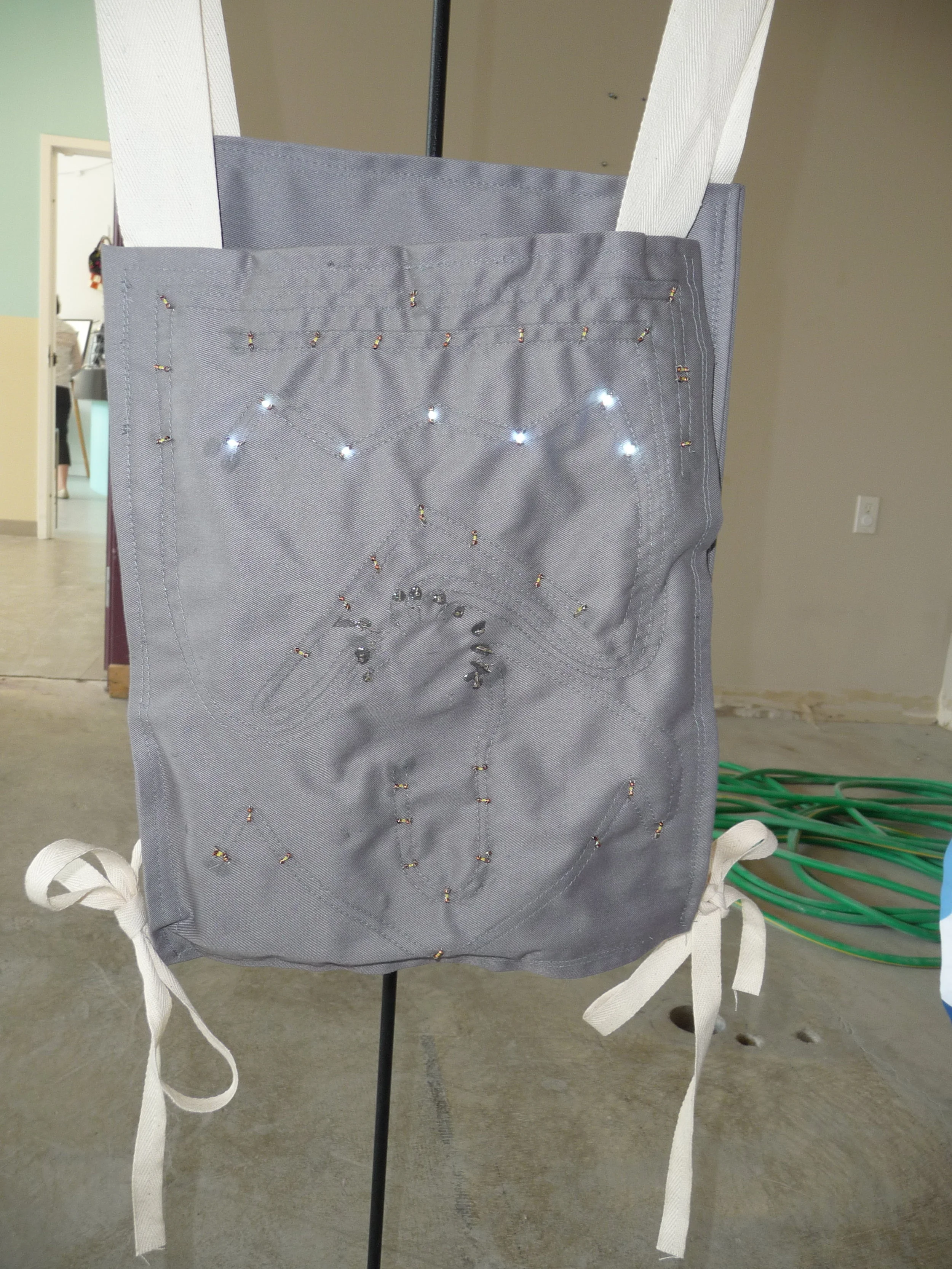
Each participant wears a custom cycling cape embedded with soft circuits, small LEDs, microcontrollers, and sonar. The LEDs display shifting patterns that function as “circuits” or loose formations. Unlike choreographic directions, these visual cues do not assign positions; instead, participants must collaboratively decide how to interpret and enact them as a group. The sonar component introduces an additional sensory parameter: riders must remain within a shared proximity zone, guided not only by sight but by auditory signals indicating nearness or drift.
As the group negotiates these constraints, emergent tactics of coordination appear, forms of improvisation, leadership, attunement, and responsive movement. The performance becomes a study in collective intelligence, echoing the fluid morphologies of bird flocks and night-riding cycling groups. The aesthetics of motion, accelerations, convergences, dispersals, unfold in real time as an unplanned choreography shaped by technology, environment, and interpersonal negotiation.
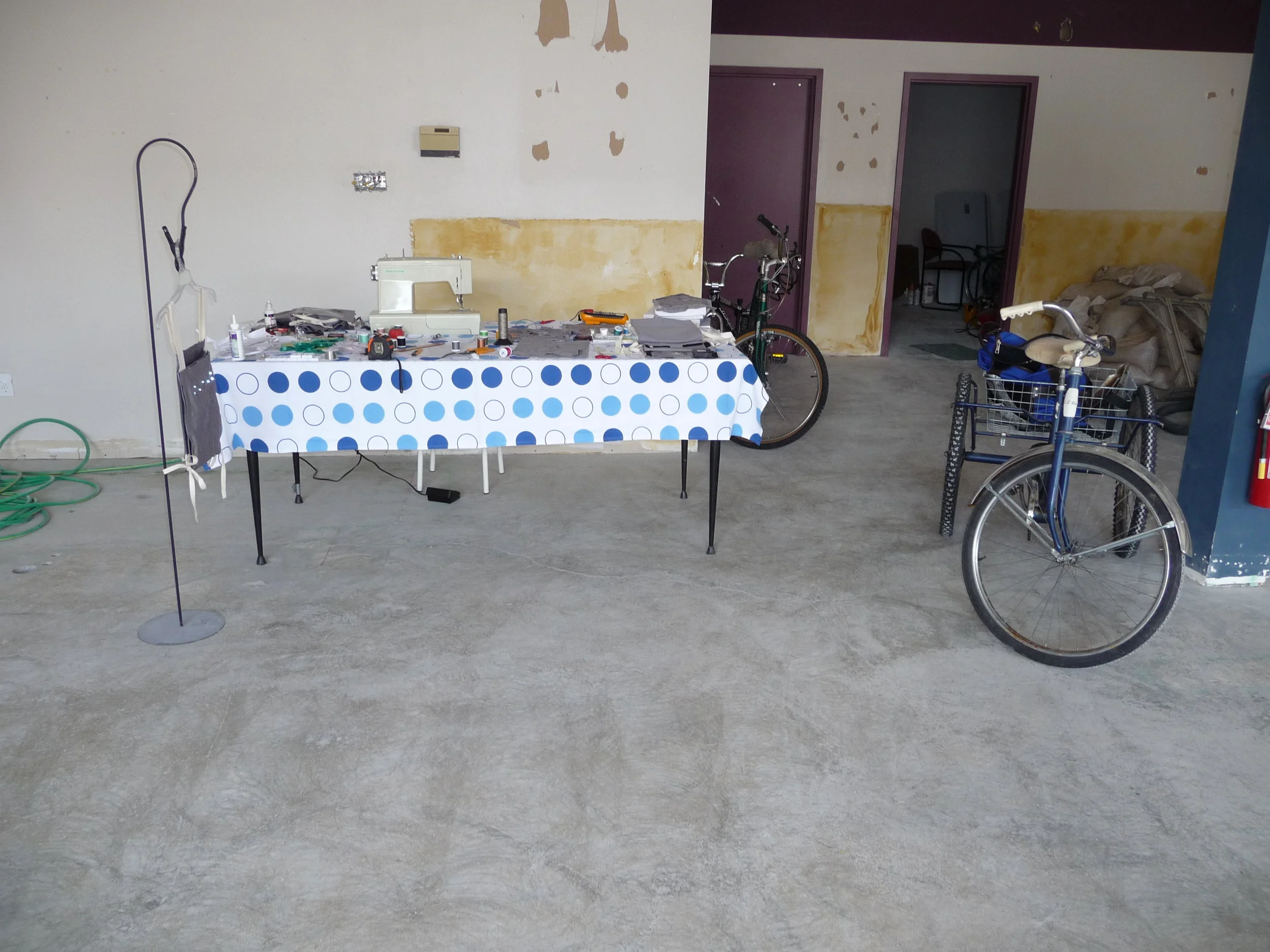
Developed through research-creation residencies at Studio XX and Eastern Bloc, Flock reframes public space as a site for experimental navigation and shared play. The work probes how human and machine sensing intertwine, and how new perceptual cues, visual rhythms, sonar pulses, can expand our understanding of how we move together in the world.